
Vices

Pay in 3 interest-free payments on purchases from £20-£3000 with  . Learn more.



Loading...
End of content
Error - No more pages to load
About Vices
A vice is an essential workshop tool that provides a secure clamping mechanism for holding workpieces firmly in place during cutting, filing, drilling, gluing, or assembly operations. Whether you're working with metal, wood, or plastic, a quality vice acts as an extra pair of hands, allowing you to work safely and accurately with both hands free to operate tools. The jaw design, clamping force, and mounting system vary significantly depending on the intended application, making it crucial to select the right type of vice for your specific trade or project requirements.
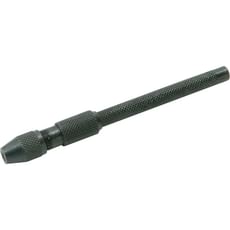
The range available at Tooled-Up.com encompasses everything from robust engineers' vices designed for heavy metalworking to specialised woodworking vices that protect delicate timber surfaces. Bench vices form the backbone of most workshops, permanently mounted to workbenches to provide a reliable clamping station, whilst portable machine vices offer precision holding for drill presses and milling machines. For more specialised applications, pipe vices grip cylindrical workpieces securely, and pin vices provide delicate control for small-scale drilling and intricate model-making tasks.
Modern vices incorporate features such as swivel bases for improved positioning, quick-release mechanisms for rapid adjustment, and replaceable jaw faces to protect finished surfaces. Materials range from cast iron construction for maximum durability in industrial environments to lighter aluminium alloys for portable applications. Understanding the differences between vice types ensures you invest in equipment that will serve your workshop needs for years to come.
Jargon Buster
- Jaw Width: The horizontal measurement across the jaw faces, typically ranging from 75mm for light-duty vices to 200mm or more for heavy engineering applications. A wider jaw provides better distribution of clamping pressure and can accommodate larger workpieces.
- Throat Depth: The distance from the top of the jaw to the top of the slide bar, which determines how far back from the bench edge you can clamp a workpiece. Greater throat depth offers more flexibility for positioning large or awkwardly shaped items.
- Quick-Release Mechanism: A split-nut system that allows the jaw to slide freely when a trigger or lever is activated, enabling rapid opening and closing without turning the handle multiple times. Particularly useful in production environments where time efficiency matters.
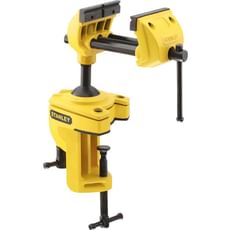
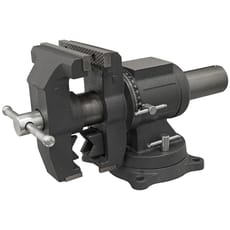
- Swivel Base: A rotating mounting plate that allows the vice body to turn horizontally through 360 degrees, secured at the desired angle with a locking mechanism. This feature provides improved access to workpieces from different angles without repositioning the item being held.
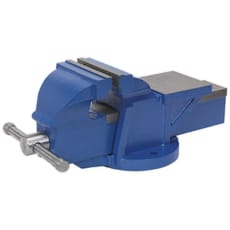
- Anvil: A flat forged steel surface incorporated into the back of many engineers' vices, designed for light hammering, forming, and shaping operations. Not a substitute for a proper blacksmith's anvil but useful for workshop tasks.
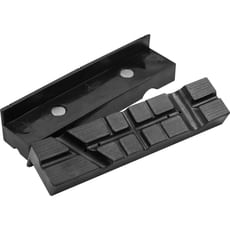
- Soft Jaws: Removable jaw covers made from aluminium, copper, wood, or plastic that protect finished surfaces from marking or damage during clamping. Essential when working with decorative metalwork, polished components, or delicate materials.
Who Uses Vices?
Vices serve as indispensable tools across numerous trades and applications:
- Engineers and Machinists: Rely on precision machine vices and engineers' vices for metalworking, fabrication, and component manufacture
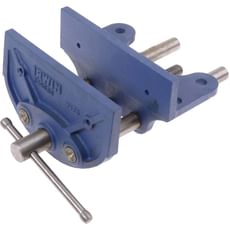
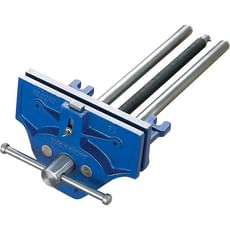
- Joiners and Carpenters: Use woodworking vices integrated into benches for planing, chiselling, and joinery operations
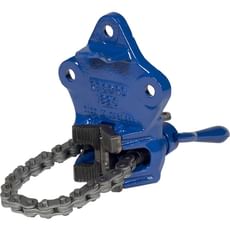
- Plumbers: Depend on pipe vices for securely holding pipework during cutting, threading, and fitting installation
- Electricians: Utilise bench vices for cable preparation, conduit cutting, and equipment assembly
- Automotive Technicians: Employ heavy-duty vices for holding components during repair, modification, and restoration work
- Jewellers and Model Makers: Require pin vices and miniature bench vices for precision work on small components
- DIY Enthusiasts: Benefit from versatile bench vices for home workshop projects across multiple disciplines
- Educational Workshops: Equip training facilities with robust vices for teaching manufacturing and craft skills
- Maintenance Engineers: Use portable and reversible vices for on-site repairs and fabrication tasks
How to Choose the Right Vices
Selecting the appropriate vice requires careful consideration of several factors:
Primary Application: Identify whether you'll primarily work with metal, wood, or mixed materials. Engineers' vices feature steel jaws with serrated teeth for gripping metal, whilst woodworking vices use smooth wooden jaws that won't damage timber surfaces. Machine vices provide precision alignment for drill press and milling operations.
Jaw Width and Opening Capacity: Choose a jaw width appropriate to your typical workpiece size. A 100-125mm jaw suits general workshop tasks, whilst fabrication work may require 150mm or wider. Consider the maximum opening capacity—the distance the jaws can separate—ensuring it accommodates your largest anticipated workpieces.
Build Quality and Materials: Cast iron construction offers superior durability and vibration damping for heavy-duty applications. Tooled-Up stocks vices from manufacturers like Record and Irwin that feature precision-machined components and hardened jaw faces for longevity in professional environments. Budget options may use lighter castings suitable for occasional DIY use.
Mounting Requirements: Bench-mounted vices require secure fixing to a solid workbench, typically using coach bolts through pre-drilled holes. Verify your bench thickness and structure can support the vice's weight and clamping forces. Portable vices with clamp-on bases offer flexibility but provide less stability for heavy work.
Special Features: Quick-release mechanisms significantly speed up workflow when frequently changing workpieces. Swivel bases add versatility for angular work. Integrated anvils provide a convenient surface for light forming operations. Reversible jaw designs allow pipe and curved objects to be gripped securely.
Clamping Force: Heavy engineering work demands vices capable of generating substantial clamping pressure without deflection. Larger screw diameters and mechanical advantage from longer handles increase available force. Consider whether your applications require maximum holding power or whether moderate clamping suffices.
Popular Accessories
- Replacement Jaw Faces: Magnetic or bolt-on soft jaws in various materials protect workpiece surfaces
- Vice Clamps: Additional toggle clamps and holdfast devices for supplementary work holding
- Bench Dogs: Complement woodworking vices by creating stops and supports along bench surfaces
- Mounting Hardware: Heavy-duty coach bolts, washers, and fixings for secure installation
- Vice Handle Extensions: Increase leverage for tighter clamping when needed
- Protective Covers: Keep vice mechanisms clean and prevent corrosion during storage
- Parallels and Packing: Precision-ground steel bars for supporting workpieces at correct heights in machine vices
- Jaw Pad Materials: Leather, rubber, and composite sheets for creating custom soft jaw protection
Safety Information
Whilst vices themselves are passive tools, their proper use is essential for workshop safety. Always ensure the vice is securely mounted to a stable workbench capable of withstanding the forces generated during clamping and material working. Loose or inadequately fixed vices can detach under load, causing injury and damaging workpieces.
Never exceed the vice's rated capacity or use extension pipes on the handle to gain additional leverage, as this can damage the mechanism or cause catastrophic failure. Inspect the vice regularly for worn threads, cracked castings, or damaged jaw faces, replacing components as necessary to maintain safe operation.
When working with power tools on clamped workpieces, verify that the material is absolutely secure before beginning operations. Workpieces that slip or rotate unexpectedly pose significant injury risks. Always position yourself to the side rather than directly in line with rotating cutting tools, and wear appropriate PPE including safety glasses, as specified by HSE guidance for workshop activities.
Take care not to over-tighten when clamping delicate materials or components with internal stresses, as excessive force can cause crushing, distortion, or sudden fracturing. For particularly fragile items, use appropriate soft jaw protection and apply gradual, controlled pressure whilst monitoring the workpiece for any signs of deformation.
Frequently Asked Questions
What size bench vice do I need for general workshop use?
For a home workshop covering general metalworking and DIY tasks, a 100-125mm (4-5 inch) jaw width provides excellent versatility. This size comfortably handles most typical projects whilst remaining affordable and not overwhelming smaller workbenches. Professional fabricators and engineers typically opt for 150mm or larger to accommodate substantial components.
Can I mount a vice to any workbench?
The workbench must be sufficiently robust to withstand the forces generated during use. A solid timber bench of at least 40mm thickness or a dedicated metalwork bench provides adequate support. Lightweight folding benches or hollow-core surfaces are unsuitable for permanent vice mounting. The vice should ideally be positioned at the front left corner (for right-handed users) with the jaw faces slightly overhanging the bench edge to allow long material to hang vertically when needed.
What's the difference between engineers' vices and woodworking vices?
Engineers' vices feature serrated steel jaws designed to grip metal securely, with robust cast iron construction to withstand heavy hammering and filing forces. Woodworking vices use smooth wooden jaw faces that won't mark timber, with designs that often incorporate guide rods to prevent racking when clamping wide boards. The mechanisms differ too—woodworking vices frequently integrate into the bench structure itself with flush-mounted jaws.
Do I need a quick-release mechanism?
Quick-release functionality dramatically speeds up jaw adjustment when you frequently change between different sized workpieces. For production work or busy workshops, the time saving justifies the additional cost. However, for occasional use or applications where workpiece size remains relatively constant, a standard screw mechanism provides perfectly adequate performance at lower cost and with fewer components to maintain.
How do I maintain my vice to ensure longevity?
Keep the screw thread and slide bars clean and lightly lubricated with machine oil or appropriate grease. Remove metal filings, sawdust, and debris regularly to prevent premature wear. If your vice features a quick-release mechanism, occasionally disassemble and clean the split-nut assembly. Protect the jaw faces from damage by using soft jaw covers when appropriate, and never strike the vice handle or use it as a lever for bending operations beyond the tool's design parameters.