
Wall Chasers

Pay in 3 interest-free payments on purchases from £20-£3000 with  . Learn more.
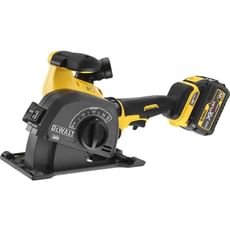
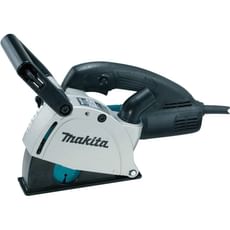
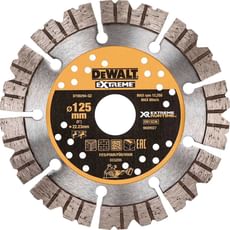
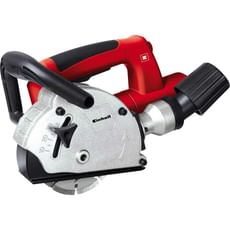
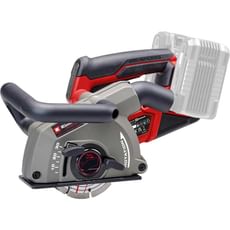
Einhell Professional TP-MA 36/30 Li BL 36v Cordless Brushless Wall Chaser
available
Loading...
End of content
Error - No more pages to load
About Wall Chasers
Wall chasers are specialised power tools engineered to cut precise parallel channels into masonry, brick, concrete and other solid surfaces. Using two diamond-tipped blades operating simultaneously, these machines create clean, uniform grooves perfect for concealing electrical cables, plumbing pipes and other services within walls. The parallel blade configuration delivers consistently accurate channels that would be difficult to achieve with standard cutting tools, whilst integrated dust extraction systems significantly reduce airborne debris compared to using an angle grinder for similar tasks.
Available in both corded 240v and cordless battery-powered formats, wall chasers at Tooled-Up.com range from compact models suited to occasional domestic use through to heavy-duty professional machines designed for daily commercial applications. Leading manufacturers including DeWalt, Makita, Festool, Flex and Einhell offer models with cutting depths between 20mm and 40mm, accommodating disc sizes from 125mm to 150mm. Premium machines feature brushless motor technology for extended runtime, tool-free depth adjustment for rapid setting changes, and compatibility with vacuum extractors for virtually dust-free operation essential on occupied sites.
Modern wall chasers incorporate advanced safety features including robust blade guards, anti-kickback mechanisms and soft-start technology to prevent sudden motor engagement. Professional-grade models often accept guide rail systems for perfectly straight cuts over extended distances, whilst high-voltage cordless variants utilising 36v or 54v battery platforms provide the power and runtime necessary for demanding site work without mains access. These purpose-built tools have become indispensable equipment for electrical and plumbing installations that comply with UK building regulations, delivering superior speed, accuracy and dust control compared to improvised cutting methods.
Jargon Buster
- Diamond Blade: A circular cutting disc featuring industrial diamond segments bonded to the edge, specifically designed for cutting through masonry, concrete and stone. These essential consumables require periodic replacement depending on material hardness and cutting volume, with segmented designs offering faster cutting in softer materials.
- Cutting Depth: The maximum depth a wall chaser can penetrate into a surface, typically adjustable between 10mm and 40mm. Adequate depth is crucial for accommodating cable conduit or pipework whilst maintaining sufficient wall integrity and meeting BS 7671 electrical installation requirements for buried cables in prescribed safe zones.
- Brushless Motor: Advanced motor technology eliminating carbon brushes, resulting in improved efficiency, longer runtime on cordless models, reduced maintenance requirements and extended tool lifespan. Brushless designs generate less heat and deliver more power from the same battery capacity compared to traditional brushed motors.
- Dust Extraction Port: A connection point allowing attachment of a vacuum extractor to capture dust at source during cutting operations. Essential for compliance with HSE regulations regarding workplace exposure to respirable crystalline silica, these ports typically accept standard 35mm diameter hoses from professional extraction systems.
- Blade Spacing: The adjustable distance between the two parallel cutting discs, determining the width of the channel created. Common settings range from 10mm to 30mm to accommodate various cable sizes, conduit dimensions and pipework installations, with tool-free adjustment mechanisms on professional models.
- No-Load Speed: The rotational speed (measured in RPM) at which the blades spin when not engaged with material. Higher speeds generally provide cleaner cuts in harder materials, with professional models operating between 8,000-12,000 RPM for optimal performance across different masonry types.
Who Uses Wall Chasers?
Wall chasers are primarily used by:
- Electricians and Electrical Contractors: Creating channels to conceal cables during rewiring, new installations and compliance with Part P Building Regulations requirements for buried cables in walls, particularly in retrofit situations where surface-mounted trunking is unsuitable
- Plumbers and Heating Engineers: Cutting grooves for central heating pipes, radiator feeds and underfloor heating systems in solid walls where notching joists isn't possible
- General Builders and Refurbishment Specialists: Installing services during renovation projects, extensions and property conversions where new electrical or plumbing runs must be concealed within existing masonry
- Data and Communications Installers: Running network cabling, TV aerial cables, satellite feeds and smart home wiring through masonry structures in both domestic and commercial properties
- Kitchen and Bathroom Fitters: Creating service channels for appliances, extraction systems, sanitaryware installations and concealed lighting circuits
- Maintenance Engineers: Retrofitting additional services in commercial and industrial properties without disrupting decorative finishes more than necessary
- Serious DIY Enthusiasts: Homeowners undertaking significant renovation projects requiring professional-quality chasing for electrical or plumbing work to achieve neat, regulation-compliant installations
How to Choose the Right Wall Chasers
Power Source: Corded 240v models offer consistent power for demanding commercial work and extended use without runtime concerns, whilst cordless variants (typically 36v-54v for professional applications) provide flexibility for site work, refurbishments and locations without mains access. Consider whether you already own batteries from established platforms like DeWalt XR FlexVolt, Makita LXT or Einhell Power X-Change to reduce initial investment and maintain battery interchangeability across your tool collection.
Disc Size and Cutting Depth: Common disc diameters include 125mm, 140mm and 150mm, with larger discs achieving greater maximum cutting depths (typically 30-40mm for 150mm models). Ensure your chosen machine provides sufficient depth for typical applications whilst accommodating UK standard conduit sizes and cable requirements under BS 7671 wiring regulations. Most electrical installations require 20-25mm depth for twin-and-earth cable, whilst deeper cuts suit multiple cables or plumbing applications.
Motor Power and Performance: Corded models range from 1,200W to 2,400W, with higher wattage suited to intensive commercial use in hard materials like engineering brick or concrete. Brushless motors offer superior efficiency and longevity, particularly valuable in cordless models where runtime and power-to-weight ratio are paramount considerations for all-day site work.
Dust Management: Quality dust extraction is essential for HSE compliance regarding workplace exposure limits for respirable crystalline silica. The range at Tooled-Up includes models with effective shrouds and compatibility with Class L or M vacuum extractors. Premium systems from manufacturers like Festool provide virtually dust-free operation, essential for occupied premises and reducing health risks associated with prolonged silica dust exposure.
Adjustability and Precision: Professional models feature tool-free depth adjustment, variable blade spacing and compatibility with guide rail systems for extended straight cuts. These features significantly improve productivity and accuracy for high-volume work, particularly when cutting multiple parallel chases for multi-zone heating systems or extensive rewiring projects.
Build Quality and Durability: Budget-friendly models from Einhell suit occasional use and light domestic applications, whilst professional-grade machines from DeWalt, Makita, Festool and Flex withstand daily site work in demanding environments. Consider warranty coverage and availability of replacement parts when comparing options, as professional tools typically offer extended warranties and comprehensive service networks.
Popular Accessories
- Diamond Cutting Blades: Replacement discs specifically designed for wall chasers, available in different grades for various materials including brick, concrete, stone and abrasive surfaces. Premium segmented blades offer longer lifespan and faster cutting speeds, with specialist designs for reinforced concrete or natural stone applications.
- Vacuum Extractors: Class L or M rated dust extractors with appropriate filtration for silica dust, essential for safe operation and HSE compliance. Many professional models feature automatic tool activation (power take-off) for seamless operation, whilst HEPA filtration protects operators from harmful fine dust particles.
- Guide Rails and Clamps: Aluminium track systems ensuring perfectly straight cuts over extended distances, particularly valuable for long cable runs or multiple parallel chases. Professional systems include adjustable clamps for secure fixing to various wall surfaces without damage.
- Bolster Chisels and Club Hammers: For removing material between parallel cuts to create the finished channel, with SDS chisel attachments for power drills offering faster mechanical removal on larger projects. Cold chisels in various widths suit different chase dimensions.
- Cable and Pipe Detectors: Essential safety equipment for identifying buried services before cutting, preventing potentially dangerous or costly damage to existing electrical cables, water pipes or gas supplies hidden within walls.
- Depth Stop Systems: Additional components allowing precise, repeatable depth settings for consistent channel dimensions across large installations, ensuring uniform appearance and adequate cable coverage throughout projects.
Safety Information
Personal Protective Equipment: Always wear approved safety glasses or face shields meeting BS EN 166 standards, respiratory protection (minimum FFP3-rated masks for silica dust), hearing protection rated for extended exposure, and heavy-duty work gloves with cut-resistant properties. Steel toe-capped boots provide essential foot protection from falling debris and dropped tools.
Dust Control: Respirable crystalline silica (RCS) generated when cutting masonry poses serious long-term health risks including silicosis and lung cancer. Always use appropriate dust extraction connected to a suitable vacuum extractor. HSE workplace exposure limits mandate strict control measures for construction dust exposure, with failure to comply potentially resulting in enforcement action and prosecution.
Electrical Safety: Check walls thoroughly for existing cables and pipes using a quality cable detector before cutting. Ensure tools are PAT tested regularly and corded models are used with RCD protection (30mA trip rating). Never bypass safety guards or operate tools with damaged cables. Be particularly cautious in bathrooms and kitchens where electrical installations have specific zone requirements.
Blade Safety: Inspect diamond blades before use for cracks, missing segments or excessive wear. Ensure blades are correctly fitted and tightened according to manufacturer instructions, with blade rotation direction matching arrows marked on both blade and tool. Never exceed the maximum rated speed marked on blades, and allow blades to reach full speed before contacting material to prevent kickback or blade binding.
Work Area Safety: Secure workpieces properly and maintain a clean, organised workspace free from trip hazards. Be aware that wall chasers generate significant noise levels – warn others nearby and consider timing of work to minimise disturbance in occupied buildings. Establish exclusion zones to prevent unauthorised access during cutting operations, particularly important on busy construction sites.
Frequently Asked Questions
What's the difference between a wall chaser and using an angle grinder?
Whilst angle grinders can cut channels using multiple passes, wall chasers use two parallel blades simultaneously to create uniform slots in a single pass. Wall chasers incorporate superior dust extraction systems and purpose-built guards for safer, cleaner operation. They're specifically engineered for chasing applications, offering better depth control, reduced vibration and significantly improved productivity for electrical and plumbing installations, with adjustable blade spacing eliminating guesswork for consistent channel widths.
Do I need specific diamond blades for my wall chaser?
Yes, wall chaser blades differ from standard angle grinder discs in bore size, thickness specifications and RPM ratings. They're designed for the specific requirements of your model, typically 125mm or 150mm diameter with 22.23mm bore. Choose blades appropriate for your material – softer segmented blades for brick and blockwork, harder specifications for concrete and stone. Always verify compatibility with your specific machine model and never exceed the maximum rated speed stamped on the blade.
How deep should I cut chases for electrical cables?
Most professional wall chasers offer adjustable cutting depths between 10mm and 40mm. For electrical installations complying with BS 7671 (18th Edition) requirements, cables buried in walls must be installed within prescribed safe zones (vertical or horizontal from accessories) and at appropriate depths. Typical chases for twin-and-earth cable require 20-25mm depth with 50mm minimum coverage when plastered, whilst deeper cuts accommodate conduit or multiple cable runs in commercial installations.
Can cordless wall chasers match corded 240v models?
Modern high-voltage cordless systems (36v-54v) with brushless motors now rival corded equivalents for most applications. Models like the DeWalt 54v XR FlexVolt deliver impressive power and runtime suitable for professional use throughout a typical working day. However, corded models remain preferable for continuous high-volume work where consistent power and unlimited runtime are priorities. Battery technology continues advancing rapidly, making cordless increasingly viable even for the most demanding site applications.
Is dust extraction really necessary when using a wall chaser?
Absolutely essential, both for health compliance and practical reasons. Cutting masonry generates harmful respirable crystalline silica (RCS) dust that poses serious long-term respiratory health risks including silicosis and lung cancer. HSE regulations require effective dust control measures on construction sites, with Control of Substances Hazardous to Health (COSHH) assessments mandating appropriate extraction. Beyond legal compliance, proper extraction dramatically improves visibility, reduces cleanup time and creates safer, more professional working conditions for both operators and building occupants.