

Wall Plugs
Pay in 3 interest-free payments on purchases from £30-2000 with  . Learn more.
 Loading...
End of content
Error - No more pages to load
About Wall Plugs
Wall plugs, also known as rawlplugs or anchor plugs, are essential fixings that create a secure anchor point in walls, ceilings and other surfaces. When screws are driven into masonry, plasterboard or other materials, wall plugs expand to grip the surrounding substrate, preventing the screw from working loose and ensuring a reliable, long-lasting fixing. From hanging pictures and shelves to installing heavy kitchen units and radiators, wall plugs are fundamental components in both professional construction and home improvement projects.
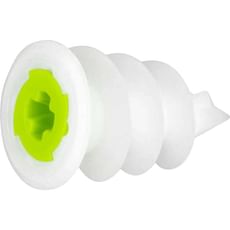
The selection at Tooled-Up.com encompasses three key categories to suit different applications and substrates. Standard plugs are designed for solid materials such as brick, concrete and blockwork, providing reliable fixings for general-purpose applications. Plasterboard fixings are specifically engineered for hollow walls and cavity construction, with features like expanding wings or toggle mechanisms that distribute loads safely behind the plasterboard. Assorted wall plug packs offer convenient multi-size selections, giving tradespeople and DIY enthusiasts a ready supply of the most commonly used plug types and sizes for various fixing scenarios.
Modern wall plugs are manufactured from high-quality materials including nylon, plastic and zinc-plated steel, each selected for specific performance characteristics. Premium brands such as Fischer, Rawlplug and Timco engineer their fixings to meet stringent British and European standards, ensuring consistent quality and load-bearing capacity. Whether you're a professional joiner installing kitchen cabinetry, a plumber securing pipework, or a homeowner mounting a television bracket, selecting the correct wall plug type and size is crucial for safe, secure fixings that stand the test of time.
Jargon Buster
- Rawlplug: A generic term for wall plugs, named after the original manufacturer Rawlplug. Often used interchangeably with "wall plug" or "anchor" in the UK trade.
- Gauge/Diameter: The thickness of the screw that the wall plug is designed to accommodate, typically ranging from 3mm to 14mm. Matching plug gauge to screw size is essential for proper expansion and grip.
- Cavity Fixing: A specialised wall plug designed for hollow walls and plasterboard, featuring mechanisms that expand or toggle behind the surface to distribute load across a wider area.
- Pull-Out Load: The maximum force (measured in kilograms or newtons) that a fixing can withstand before being pulled from the substrate. This varies significantly depending on wall plug type and substrate material.
- Substrate: The base material into which the wall plug is being inserted, such as brick, concrete, plasterboard, aerated concrete or breeze block. Different substrates require different plug types.
- Expansion Range: The thickness of material that an adjustable cavity fixing can accommodate, particularly important for plasterboard fixings where wall thickness varies.
Who Uses Wall Plugs?
Wall plugs are utilised across virtually every construction, installation and maintenance trade:
- Joiners and Carpenters: For fixing skirting boards, architraves, door frames, kitchen units and fitted furniture
- Electricians: Securing conduit, cable clips, consumer units, light fittings and electrical accessories to walls
- Plumbers and Heating Engineers: Installing radiators, boilers, pipework brackets and bathroom fittings
- Plasterers and Dry Liners: Fixing plasterboard sheets, battens and finishing beads to masonry substrates
- Decorators: Hanging pictures, mirrors, curtain poles and decorative features securely
- Shop Fitters and Shopfitters: Installing shelving systems, display units, signage and retail fixtures
- General Builders and Maintenance Teams: For countless fixing applications across construction and renovation projects
- DIY Enthusiasts and Homeowners: Tackling home improvement projects from basic picture hanging to major installations
How to Choose the Right Wall Plugs
Selecting the appropriate wall plug requires consideration of several critical factors:
Substrate Type: The wall material dictates which plug type will perform effectively. Standard nylon plugs work well in brick, concrete and blockwork. Plasterboard and hollow walls require specialist cavity fixings with toggle or expansion mechanisms. Aerated blocks need longer plugs with greater expansion to achieve secure fixings in the softer material.
Load Requirements: Consider the weight and stresses the fixing must support. Light-duty applications like picture frames require smaller plugs (typically 5-6mm), whilst heavy items such as radiators, kitchen cabinets or television brackets demand larger plugs (8-14mm) with higher load ratings. Always factor in a safety margin, particularly for overhead fixings.
Screw Size Compatibility: Wall plugs are sized to match specific screw gauges. The screw should fit snugly within the plug and penetrate its full length to achieve proper expansion. Using mismatched screws and plugs results in poor grip and unreliable fixings. Check manufacturer specifications for recommended screw sizes.
Installation Environment: External applications or damp environments may benefit from plugs with superior corrosion resistance or those manufactured from weatherproof materials. Indoor dry locations offer more flexibility in material choice.
Drill Bit Requirements: Each wall plug size requires a specific drill bit diameter. Tooled-Up stocks comprehensive drill bit sets alongside wall plug assortments, ensuring you have the correct tools for accurate pilot hole preparation.
Popular Accessories
- Masonry Drill Bits: Carbide-tipped or SDS bits in sizes matched to wall plug diameters for accurate pilot holes
- Hammer Drills and Rotary Hammers: Essential power tools for drilling into masonry substrates
- Screwdriver Sets: Manual and powered drivers for inserting screws into installed wall plugs
- Screw Assortments: Matching wood screws and chipboard screws in appropriate gauges for different plug sizes
- Depth Stops and Drill Guides: Ensuring consistent and accurate hole depths for flush plug installation
- Plug Setting Tools: Specialised tools for inserting plugs flush with wall surfaces
- Wall Scanners and Detectors: For locating pipes, cables and studs before drilling
- Tool Storage Solutions: Organisers and cases for keeping assorted plugs sorted by size and type
Safety Information
Safe wall plug installation requires attention to several important considerations. Always use a cable and pipe detector before drilling into walls to avoid striking hidden electrical cables, water pipes or gas lines. Striking services can result in serious injury, property damage or even fatalities. When drilling masonry, wear appropriate eye protection to guard against dust and debris, and consider respiratory protection when drilling extensively, particularly in older buildings where dust may contain hazardous materials.
Ensure fixings are appropriately rated for their intended load, with particular attention to overhead installations and fixtures in areas accessible to children. Overloading fixings can result in sudden failure and falling objects. When working at height to install fixings, use proper access equipment such as step ladders or scaffolding, and follow HSE guidance on working safely at height. For plasterboard fixings, verify that the board thickness and condition are suitable for the fixing type and intended load.
Always follow manufacturer installation instructions precisely, as incorrect installation significantly reduces fixing performance. This includes drilling to the specified depth, using the correct screw type and size, and ensuring pilot holes are clean and free from debris before plug insertion.
Frequently Asked Questions
What size wall plug do I need for different screw sizes?
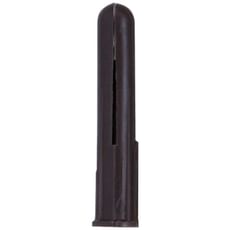
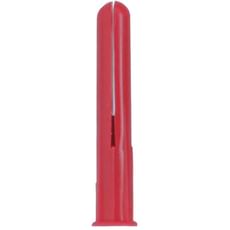
Wall plug packaging typically indicates compatible screw sizes. As a general guide: brown plugs (5-6mm) suit screws 3-4mm, red plugs (6-8mm) suit screws 4-6mm, and blue or grey plugs (8-10mm) suit screws 6-8mm. Always check manufacturer specifications, as sizing standards can vary between brands. The screw should fit snugly within the plug without excessive force.
Can I use standard wall plugs in plasterboard?
Standard wall plugs are not suitable for plasterboard or hollow walls as they rely on expansion within solid material. Plasterboard requires specialist cavity fixings with mechanisms designed to grip behind the board or distribute loads across a wider area. Using incorrect fixings in plasterboard typically results in the plug spinning or pulling through the board under load.
Why do my wall plugs keep spinning when I insert the screw?
Spinning plugs usually indicate that the pilot hole is too large, the plug is the wrong type for the substrate, or the wall material is too soft or damaged. Ensure you're using the correct drill bit size (check the plug packaging), and that the plug type matches your wall material. In soft materials like aerated blocks, use longer plugs specifically designed for low-density substrates.
How deep should I drill the hole for a wall plug?
The hole should be approximately 10mm deeper than the wall plug length to allow for dust accumulation and ensure the plug can be inserted fully flush with the wall surface. Most wall plugs are 30-40mm long for standard applications, requiring holes of 40-50mm depth. Using a depth stop on your drill ensures consistent, accurate hole depths.
What's the difference between brown, red and blue wall plugs?
The colour coding indicates the size and load capacity of the plug. Brown plugs (typically 5mm) are for light-duty applications, red plugs (6-7mm) suit medium loads, whilst blue or grey plugs (8-10mm and larger) are designed for heavy-duty fixings. However, colour coding isn't standardised across all manufacturers, so always check the specific size markings and load ratings on the packaging.