

Wall Scarifiers
Pay in 3 interest-free payments on purchases from £30-2000 with  . Learn more.
 Loading...
End of content
Error - No more pages to load
About Wall Scarifiers
Wall scarifiers are essential hand tools used in plastering, rendering, and drywall applications to create a keyed surface on fresh plaster, render, or jointing compound. By scratching horizontal grooves or patterns into the surface before it fully sets, these tools ensure superior adhesion for subsequent coats. This mechanical keying process is fundamental to achieving professional, long-lasting finishes in both interior and exterior wall applications.
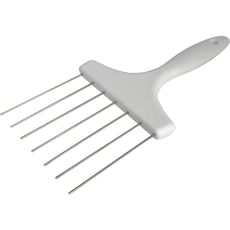
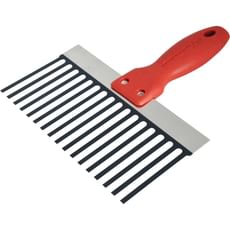
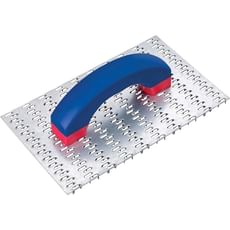
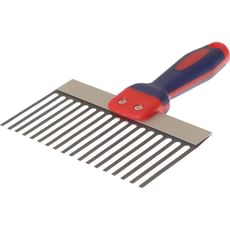
The wall scarifiers available from Tooled-Up.com include traditional plastering scarifiers with steel tines, scratch floats with rigid spike arrangements, and specialist drywall scratchers designed for modern construction techniques. Most feature ergonomic handles with soft-grip or polyurethane construction to reduce hand fatigue during repetitive scratching motions. Blade widths typically range from 135mm to wider formats, allowing tradespeople to select the appropriate tool size for different wall areas and application requirements.
Whether preparing undercoats for multi-coat plastering systems, keying render for decorative top coats, or creating mechanical bonds in drywall finishing, wall scarifiers provide a simple yet effective solution. These manual tools require no power source and offer precise control, making them indispensable for achieving the textured surface profile necessary for optimal inter-coat adhesion and preventing delamination or failure of finishing layers.
Jargon Buster
- Keying: The process of creating a scratched or textured surface profile on fresh plaster or render to provide mechanical adhesion for the next coat. A properly keyed surface ensures superior bonding and prevents layers separating.
- Scratch Coat: The first coat in a traditional three-coat plastering system, which is deliberately scratched with a scarifier whilst still wet to provide a key for the floating coat that follows.
- Tines: The individual metal prongs or spikes on a scarifier that create the scratched pattern. These are typically manufactured from steel and arranged in rows across the tool head.
- Render: An exterior cement-based coating applied to external walls for weatherproofing and aesthetics. Multi-coat render systems require keying between layers for structural integrity.
- Float: In the context of scarifiers, a scratch float combines the scratching function with a flat base, allowing plasterers to both apply material and create a keyed surface with one tool.
- Green State: The condition of plaster, render, or jointing compound when it has begun to set but remains workable enough to be scratched without damaging the base. Timing scarification correctly in this state is critical.
Who Uses Wall Scarifiers?
- Plasterers: Professional tradespeople applying multi-coat plaster systems who require proper keying between base coats and finishing layers
- Renderers: Specialists in external wall coatings who create keyed surfaces on scratch coats before applying top coat renders
- Drywall Finishers: Tradespeople working with plasterboard who scratch jointing compound to ensure optimal adhesion of subsequent layers
- Builders: General construction professionals undertaking wall preparation and finishing work as part of renovation or new build projects
- Restoration Specialists: Tradespeople working on heritage buildings using traditional lime plaster systems that require proper keying techniques
- Serious DIY Enthusiasts: Homeowners tackling plastering projects who understand the importance of proper surface preparation between coats
- Maintenance Teams: Property maintenance professionals carrying out repair work requiring multi-coat plaster applications
How to Choose the Right Wall Scarifiers
Tool Type: Consider whether you need a dedicated scarifier with multiple rows of tines for large-scale keying work, or a scratch float that combines material application with scratching functionality for smaller projects. Drywall-specific scratchers offer finer tine arrangements suited to jointing compound work.
Blade Width: Scarifier width determines coverage area and application speed. Wider tools around 135mm to 150mm suit large wall areas and commercial work, whilst narrower designs provide better control in confined spaces, around openings, or for patch repairs.
Handle Design: Ergonomic considerations are crucial for repetitive work. Soft-grip handles reduce hand fatigue and improve control, whilst polyurethane constructions offer durability and comfort. Consider handle angle and length for your preferred working technique and whether you'll be using the tool overhead or at different angles.
Tine Configuration: The spacing, length, and arrangement of steel tines affect the depth and pattern of scratching. More aggressive tine patterns create deeper keys for heavy-duty render work, whilst finer configurations suit delicate plastering applications. Tooled-Up stocks various configurations to match different material types and application requirements.
Build Quality: Professional-grade scarifiers feature robust steel tines securely fixed to durable bases that withstand repeated use in abrasive plaster and render. Inspect construction quality, particularly tine attachment methods, to ensure longevity on demanding projects.
Application Specifics: Match the tool to your primary application—exterior rendering requires more robust tools than interior plastering, whilst drywall work demands specialist designs that won't damage plasterboard faces.
Popular Accessories
- Plastering Trowels: Essential companions for applying base coats that will subsequently be scarified
- Hawk Boards: Platforms for holding plaster or render whilst working, improving efficiency during multi-coat applications
- Mixing Paddles and Buckets: For preparing consistent plaster, render, or jointing compound batches
- Sponge Floats: Used after scarified layers have received finish coats for achieving smooth final surfaces
- Scrapers and Stripping Knives: Complementary tools for surface preparation and removing excess material
- Spirit Levels: Ensuring plumb and level application before scarifying
- Dust Sheets and Protective Coverings: Essential for protecting floors and fixtures during plastering work
- Tool Cleaning Brushes: Maintaining scarifier tines by removing dried plaster residue after each use
Safety Information
Personal Protective Equipment: Always wear appropriate safety glasses or goggles when scarifying to prevent plaster particles and debris entering eyes. Dust masks are advisable when working with dry materials or in poorly ventilated spaces, as lime-based plasters and cement renders can irritate respiratory systems.
Hand Protection: Consider wearing suitable work gloves during extended scarifying sessions to prevent hand strain and protect against potential scratches from steel tines. Ensure gloves don't compromise grip on tool handles.
Sharp Tines: Handle scarifiers carefully as steel tines are sharp and can cause puncture injuries. Store tools with tines facing away from body and hands. Never place scarifiers in pockets or bags where tines could cause injury when reaching for other items.
Working Posture: Maintain proper posture when scarifying large wall areas to prevent back strain. Use step platforms or scaffolding rather than overreaching, and take regular breaks during repetitive scratching work to avoid repetitive strain injuries.
Chemical Awareness: Some plasters and renders contain irritant materials. Follow COSHH guidelines and manufacturer safety data sheets for materials being worked. Wash hands thoroughly after use and avoid touching face whilst working.
Frequently Asked Questions
When should I scarify plaster or render?
Scarify when the material has reached the "green state"—firm enough that scratching doesn't distort the surface, but not fully hardened. This typically occurs 2-4 hours after application depending on material type, thickness, temperature, and humidity. The surface should be firm to touch but still slightly damp. Timing is critical: too early and you'll damage the base coat; too late and the material becomes too hard to scratch effectively.
Do I need to scarify between every coat of plaster?
Traditional three-coat plastering systems require scarifying the scratch coat before applying the floating coat, creating mechanical keying for superior adhesion. However, you don't typically scarify between the floating coat and finishing skim, as the skim coat is applied to a dampened but unscratched float surface. Modern two-coat systems may have different requirements—always follow manufacturer specifications for the specific plaster system being used.
How deep should scarifier marks be?
Aim for scratches approximately 2-3mm deep—sufficient to create effective mechanical keying without compromising the structural integrity of the base coat. Scratches should be clearly visible and form consistent horizontal lines across the surface. Avoid scratching so deeply that you reach the substrate beneath, as this weakens the plaster layer and may cause failure.
Can I use the same scarifier for external render and internal plaster?
Yes, most wall scarifiers work effectively for both applications, though external render work with coarser, cement-based materials may wear tines faster than internal gypsum plastering. Clean tools thoroughly between different material types to prevent contamination. Some professionals prefer dedicated tools for each application to optimise performance and extend tool life.
How do I clean and maintain my wall scarifier?
Clean scarifiers immediately after use before plaster or render hardens on the tines. Rinse thoroughly in clean water, using a stiff brush to remove material from between tines. For hardened deposits, soak in water to soften before scrubbing. Dry completely after cleaning to prevent rust on steel tines. Inspect tines regularly for damage or bending, and store in a dry location with tines protected from impact damage.