

Wallpaper Tools

Pay in 3 interest-free payments on purchases from £20-£3000 with  . Learn more.
 Loading...
End of content
Error - No more pages to load
About Wallpaper Tools
Wallpaper tools are essential for achieving professional results when hanging, removing, or maintaining wallpaper in domestic and commercial properties. The right equipment makes the difference between a smooth, bubble-free finish and a frustrating amateur job. From traditional paste brushes and papering shears to modern electric steamers and precision seam rollers, each tool serves a specific purpose in the wallpapering process.
Tooled-Up.com stocks a comprehensive selection of specialist wallpapering equipment designed for both professional decorators and DIY enthusiasts. The range encompasses everything needed for preparation, application, and finishing work—including stripping knives for removing old coverings, scoring tools for perforating stubborn papers, smoothing brushes for eliminating air pockets, and specialist scissors for precise trimming. Whether working with traditional papers, vinyl coverings, or contemporary non-woven materials, having the correct tools ensures clean edges, tight seams, and long-lasting adhesion.
Professional decorators understand that investing in quality wallpaper tools saves time and reduces waste. Cheap alternatives often lack the precision needed for pattern matching or the durability required for site work. Purpose-designed equipment delivers better control, reduces physical strain during large projects, and produces consistently superior results that justify the initial investment.
Jargon Buster
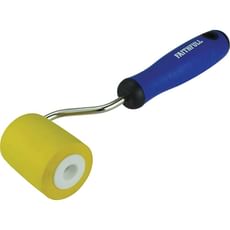
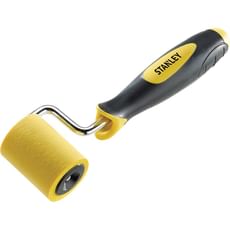
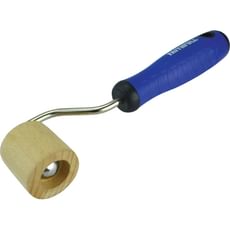
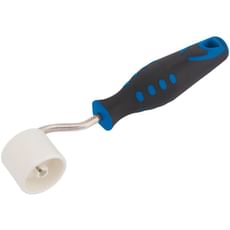
- Seam Roller: A small cylindrical tool used to press down wallpaper edges and joins, ensuring tight adhesion at seams without marking the paper surface. Available in various widths and materials for different wallcovering types.
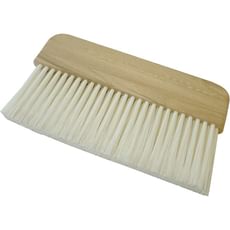
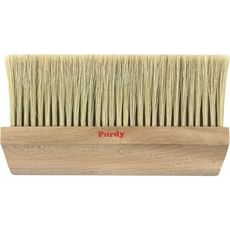
- Paperhanger's Brush: A wide, soft-bristled brush specifically designed for smoothing wallpaper during application, pushing out air bubbles and excess paste whilst avoiding damage to delicate surfaces.
- Perforation Tool: A spiked roller or scoring device that creates tiny holes in old wallpaper, allowing steam or stripping solution to penetrate behind the paper for easier removal without damaging the plaster beneath.
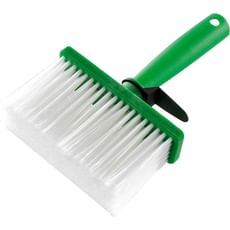
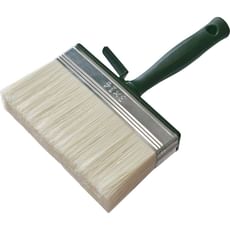
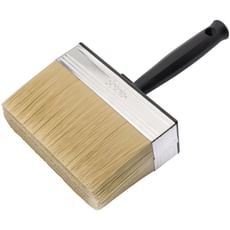
- Paste Brush: A broad brush with firm bristles designed for applying wallpaper paste evenly to paper backing or directly onto walls, ensuring consistent coverage without over-saturation.
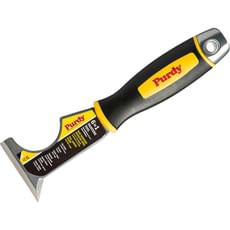
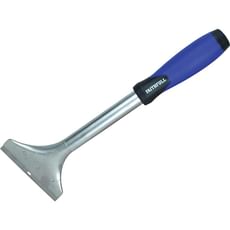
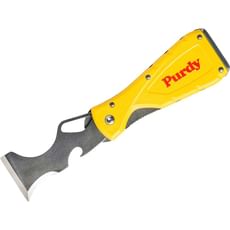
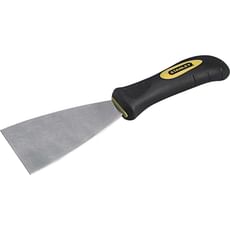
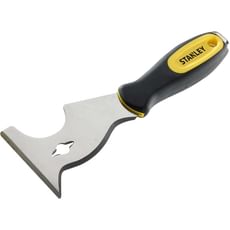
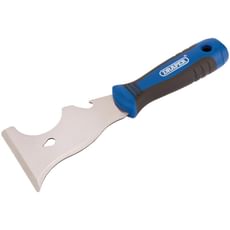
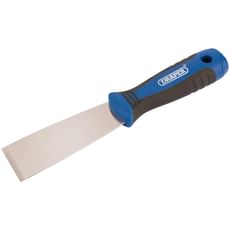
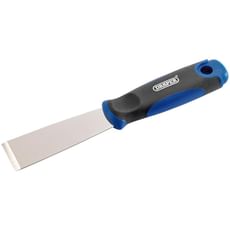
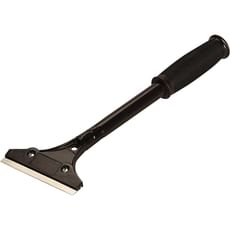
- Stripping Knife: A wide-bladed scraper with a flexible or rigid blade used for removing old wallpaper, paint, or adhesive residue from walls during preparation work.
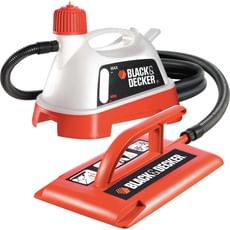
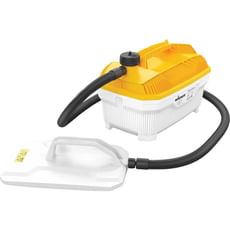
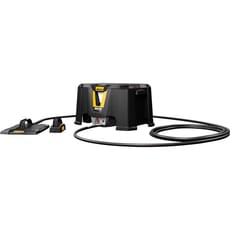
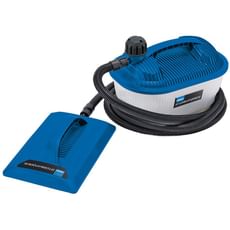
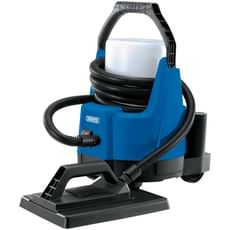
- Steam Stripper: An electrically-powered device (240v) that generates steam to soften wallpaper paste, making removal of stubborn or multiple layers significantly faster and easier than traditional soaking methods.
Who Uses Wallpaper Tools?
- Professional Decorators: Tradespeople specialising in interior decoration who require reliable, efficient tools for daily commercial and residential projects
- Painting & Decorating Contractors: Businesses tendering for refurbishment contracts where speed and quality finish are essential
- Property Maintenance Teams: Council workers, housing association staff, and facilities managers maintaining rental and public properties
- Interior Designers: Professionals overseeing renovation projects who need to understand proper application techniques and equipment
- Shopfitters: Specialists fitting out retail premises where wallcoverings form part of branded interiors
- DIY Enthusiasts: Homeowners undertaking redecoration projects who want professional results without hiring contractors
- Property Developers: Individuals renovating properties for sale or rental who need cost-effective quality finishes
- Theatre Set Designers: Professionals creating temporary decorative finishes for stage productions
How to Choose the Right Wallpaper Tools
Project Scope: Consider whether you're hanging new paper or removing old coverings. Stripping projects require steamers, scrapers, and scoring tools, whilst hanging demands brushes, rollers, and trimming equipment. For complete room makeovers, invest in a comprehensive kit rather than individual items.
Wallcovering Type: Traditional paste-the-paper methods need paste brushes and sufficient table space, whilst paste-the-wall techniques require different application tools. Vinyl and washable papers demand softer seam rollers to avoid surface marking, whereas embossed or textured coverings need gentle smoothing brushes that won't flatten patterns.
Quality and Durability: Professional decorators working daily should prioritise robust construction and ergonomic designs that reduce fatigue. The selection at Tooled-Up includes trade-quality options from trusted brands like Stanley that withstand repeated site use. DIY users can balance quality with budget, but avoid false economy on critical items like stripping knives where blade flexibility directly affects results.
Power Requirements: Wallpaper steamers require 240v mains power and adequate cable length for room coverage. Check water tank capacity—larger reservoirs reduce refilling interruptions on bigger projects. Safety features including automatic cut-off and insulated steam plates are essential considerations.
Storage and Portability: Professionals transporting equipment between sites need compact, organised storage. Look for tools with hanging holes for van racking systems and brushes with protective covers that prevent bristle damage during transit.
Popular Accessories
- Wallpaper Paste: Pre-mixed or powder concentrates suitable for different paper weights and materials
- Pasting Tables: Lightweight folding tables with marked measurements for accurate cutting and pasting
- Plumb Lines and Spirit Levels: Ensuring vertical accuracy for first drops and pattern alignment
- Measuring Tapes: For calculating paper quantities and measuring drop lengths
- Decorator's Sponges: For wiping excess paste and cleaning as you work
- Paste Buckets: With measurement markings for consistent mixing ratios
- Craft Knives and Blades: For precise trimming around obstacles and fittings
- Dust Sheets: Protecting floors and furniture during preparation and application
- Extension Leads: Providing 240v power access for steamers in larger rooms
- Filler and Preparation Products: For repairing walls before hanging new coverings
Safety Information
Steam Stripper Precautions: Wallpaper steamers generate high-temperature steam that can cause serious burns. Always wear heat-resistant gloves and protective clothing when operating these 240v appliances. Never leave steamers unattended whilst powered on, and ensure adequate water levels to prevent dry-running damage or fire risk. Position steam plates carefully to avoid scalding drips.
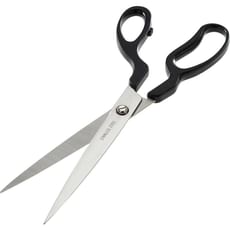
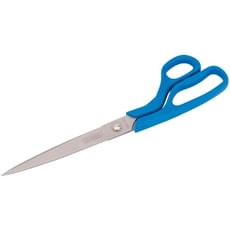
Blade Safety: Stripping knives and wallpaper scissors feature sharp edges requiring careful handling. Always cut away from your body and keep fingers clear of blade paths. Replace blunt blades promptly—dull edges require excessive force and increase accident risk. Store cutting tools with blade guards or in dedicated pouches.
Working at Height: Wallpapering often involves stepladders or scaffolding platforms. Ensure stable, level positioning before climbing, and never overreach. Follow HSE guidance for working at height, using appropriate access equipment rated for your weight plus materials.
Chemical Awareness: Some wallpaper stripping solutions contain irritant chemicals. Work in well-ventilated spaces, follow COSHH guidelines, and wear appropriate gloves and eye protection when using chemical strippers. Keep products away from children and pets.
Frequently Asked Questions
Do I need different tools for removing wallpaper versus hanging it?
Yes, removing and hanging require distinct tool sets. Stripping needs perforation tools, scrapers, and ideally a steam stripper for stubborn papers. Hanging requires smoothing brushes, seam rollers, paste brushes, and trimming scissors. Some items like craft knives serve both purposes, but a complete redecoration project typically requires tools from multiple categories.
Can I use a wallpaper steamer on all wall types?
Steam strippers work effectively on most solid walls including plaster, masonry, and properly sealed plasterboard. Exercise caution on unsealed or damaged plasterboard where excessive moisture penetration could cause deterioration. Test a small inconspicuous area first, and avoid prolonged steam application on any single spot which might damage underlying surfaces.
What's the difference between a paperhanger's brush and a paste brush?
Paste brushes have firmer, shorter bristles designed for applying adhesive to paper or walls with even coverage. Paperhanger's brushes feature longer, softer bristles specifically for smoothing applied wallpaper, removing air bubbles, and ensuring adhesion without tearing delicate surfaces or disturbing patterns. Using the correct brush for each task prevents damage and improves results.
How often should I replace wallpaper tool blades and cutting edges?
Replace stripping knife blades when you notice increased resistance, tearing rather than clean scraping, or visible nicks in the cutting edge. For professional decorators, this might mean weekly replacement during heavy stripping work. Wallpaper scissors should be sharpened or replaced when they begin crushing paper edges rather than cutting cleanly—typically indicating blade alignment issues or dulled edges.
Are expensive wallpaper tools worth the investment for occasional DIY use?
For infrequent home projects, mid-range tools offer the best value—avoiding cheap imports that fail mid-project whilst not paying for professional-grade durability you won't utilise. However, certain items like steam strippers justify higher investment even for DIY use, as quality models significantly reduce stripping time and physical effort. Consider hiring expensive specialist equipment for one-off projects rather than purchasing tools you'll rarely use.