

Warding Files
Pay in 3 interest-free payments on purchases from £30-2000 with  . Learn more.
 Loading...
End of content
Error - No more pages to load
About Warding Files
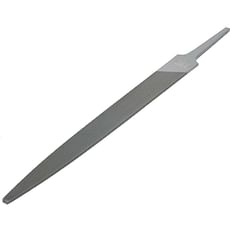
Warding files are highly specialised precision hand files characterised by their distinctive rectangular, slender profile with tapered edges that narrow to a fine point. Originally designed for locksmithing work—specifically for filing the internal wards and notches in lock mechanisms—these versatile tools have found applications across numerous precision engineering and metalworking tasks. Their unique shape allows access to narrow slots, keyways, and recessed areas that standard files cannot reach, making them indispensable for detailed work where accuracy is paramount.
The selection at Tooled-Up.com includes professional-grade warding files featuring double-cut faces that provide efficient material removal whilst maintaining excellent control. Available in various cut grades from bastard (coarse, approximately 26 teeth per 25mm) through second cut (medium, approximately 36 teeth per 25mm) to smooth cut (fine, approximately 62 teeth per 25mm), these files allow tradespeople to select the appropriate tooth pattern for their specific application. The double-cut configuration on both faces ensures consistent performance whether working on ferrous metals, non-ferrous materials, or softer alloys.
Quality warding files from respected manufacturers like Bahco represent an essential addition to any precision toolbox. Their compact dimensions and pointed profile make them particularly valuable for intricate work where larger files would be impractical, whilst their robust construction ensures longevity even under regular professional use.
Jargon Buster
- Double Cut: A tooth pattern featuring two series of diagonal cuts that cross each other, creating a diamond-shaped tooth structure. This configuration provides faster material removal and prevents clogging compared to single-cut files.
- Bastard Cut: The coarsest standard file grade with approximately 26 teeth per 25mm. Ideal for rapid stock removal and initial shaping work on harder materials.
- Second Cut: A medium-grade tooth pattern with approximately 36 teeth per 25mm. Provides a balance between material removal speed and surface finish quality.
- Smooth Cut: The finest standard grade with approximately 62 teeth per 25mm. Used for finishing work, precise fitting, and achieving smooth surface finishes.
- Tang: The tapered, pointed end of a file that fits into a handle. Most warding files are supplied with a tang for handle attachment.
- Ward: An obstruction or projection inside a lock mechanism designed to prevent incorrect keys from operating. The warding file takes its name from its original purpose of filing these components.
Who Uses Warding Files?
- Locksmiths: The primary users, employing warding files for fitting keys, modifying lock mechanisms, and filing internal lock components
- Toolmakers and Die Makers: For precision work on jigs, fixtures, and die components requiring access to narrow slots and recesses
- Jewellers and Silversmiths: For detailed metalwork on intricate pieces where precision filing in confined spaces is essential
- Model Engineers: For fine adjustment and fitting of small mechanical components in model construction
- Gunsmiths: For precision fitting and adjustment of firearm components, particularly internal mechanisms
- Maintenance Engineers: For on-site repairs requiring precision filing in restricted access areas
- Instrument Makers: For detailed work on precision instruments and delicate mechanical assemblies
- Automotive Locksmiths: For work on vehicle locking mechanisms and ignition systems
How to Choose the Right Warding Files
Cut Grade Selection: Consider the material you'll be working with and the required finish. Bastard cut files remove material quickly but leave a rougher surface, making them suitable for initial shaping of steel and harder metals. Second cut provides versatility for general-purpose work, whilst smooth cut is essential for finishing operations and working with softer metals like brass or aluminium.
Length Requirements: Warding files are available in various lengths, typically ranging from 100mm to 200mm. Shorter files offer greater control for very fine work, whilst longer files provide more cutting surface for efficiency on larger tasks. Consider the typical dimensions of your workpieces when selecting file length.
Quality and Brand: Professional-grade files from established manufacturers like Bahco ensure consistent tooth patterns, proper hardening, and longevity. Budget files may wear quickly or have irregular cutting patterns that compromise precision.
Handle Compatibility: Most warding files are supplied without handles, featuring a tang for fitting aftermarket handles. Ensure you have appropriate file handles available, or purchase them alongside your files from Tooled-Up for immediate use.
Application-Specific Needs: For locksmithing work, a set containing multiple cut grades provides maximum versatility. For specialised applications like jewellery making or model engineering, smooth cut files may be your primary requirement.
Popular Accessories
- File Handles: Essential for comfortable and safe use; available in wooden or composite materials with various sizes to suit different tang dimensions
- File Card Brushes: Wire brushes specifically designed for cleaning metal particles from file teeth, maintaining cutting efficiency
- File Chalk: Applied to file teeth to prevent clogging when working with softer metals like aluminium or copper
- Engineer's Scribers: For marking out precision work before filing
- Digital Callipers: Essential for measuring workpieces accurately during precision filing operations
- Needle File Sets: Complementary precision files for even finer detailed work
- Bench Vices: For securely holding workpieces during filing operations
- Workshop Aprons: Protection from metal filings and swarf
- Safety Glasses: Eye protection when filing metals that produce sharp particles
Safety Information
Handle Installation: Never use a file without a properly fitted handle. The tang is sharp and can cause serious hand injuries if the file slips or catches. Ensure handles are firmly attached before use.
Eye Protection: Always wear safety glasses when filing, as metal particles can be ejected at high velocity, particularly when working with harder materials or using coarser cut grades.
File Condition: Inspect files regularly for wear, damage, or clogged teeth. Worn files can slip unexpectedly, whilst clogged files require excessive pressure that increases accident risk. Discard files that are excessively worn or damaged.
Work Holding: Ensure workpieces are securely clamped or held in a vice. Never hold small items in your hand whilst filing—use appropriate holding devices or clamps to prevent injury if the file slips.
Storage: Store files separately to prevent teeth damage from contact with other tools. File rolls or individual compartments protect cutting edges and reduce injury risk when retrieving tools from storage.
Frequently Asked Questions
What's the difference between a warding file and a needle file?
Warding files are larger and more robust than needle files, featuring a rectangular profile with tapered edges suitable for heavier work in slots and keyways. Needle files are much smaller precision instruments available in various cross-sectional shapes for extremely detailed work. For general locksmithing and metalworking, warding files are more appropriate, whilst needle files excel at jewellery-scale tasks.
Can warding files be used on hardened steel?
Standard warding files can work on mild steel and materials up to approximately 40-45 HRC hardness. For hardened tool steels, case-hardened components, or materials above this hardness, the file teeth will dull rapidly. For such applications, specialist hardened files or alternative methods like grinding are more appropriate.
How do I prevent my warding file from clogging?
Regular cleaning with a file card brush during use prevents material build-up between teeth. When working with softer metals like aluminium, brass, or copper, applying file chalk to the teeth before use significantly reduces clogging. Always file in one direction with lifted return strokes to help clear swarf from the teeth.
Why does my file only cut in one direction?
Files are designed to cut on the forward stroke only. The teeth are angled to remove material efficiently when pushed across the workpiece. Attempting to cut on the return stroke dulls the teeth prematurely and produces poor results. Lift the file slightly on the return stroke to preserve cutting edge sharpness and achieve optimal performance.
How long should a quality warding file last?
With proper use, cleaning, and storage, a professional-grade warding file from manufacturers like Bahco should provide several years of regular use. Lifespan depends on frequency of use, materials being filed, and maintenance practices. Files used exclusively on softer materials will outlast those regularly used on harder steels. Replace files when cutting efficiency noticeably decreases despite proper cleaning.