

Warning Triangles

Pay in 3 interest-free payments on purchases from £20-£3000 with  . Learn more.
 Loading...
End of content
Error - No more pages to load
About Warning Triangles
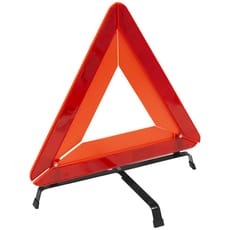
Warning triangles are essential safety devices designed to alert other road users to hazards, breakdowns, or emergencies ahead, providing critical visibility and protection in potentially dangerous roadside situations. These highly reflective triangular markers are mandatory equipment in many European countries and represent vital safety kit for UK tradespeople, commercial drivers, and motorists who prioritise preparedness. A properly positioned warning triangle gives approaching drivers sufficient time to slow down and navigate safely around a stationary vehicle, potentially preventing secondary collisions that account for a significant proportion of motorway accidents.
Modern warning triangles combine robust construction with maximum reflectivity, featuring fluorescent red or orange surfaces with retroreflective strips that catch vehicle headlights from considerable distances, even in poor weather conditions or darkness. Most designs fold completely flat for convenient storage in vehicle boots, glove compartments, or tool vans, ensuring they're readily accessible during emergencies. Quality models available from Tooled-Up.com meet stringent European safety standards (ECE Regulation 27) and feature stability bases designed to withstand strong winds and turbulence from passing traffic.
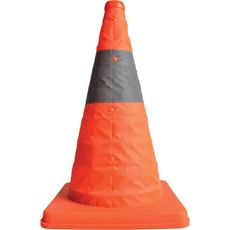
Alongside traditional warning triangles, collapsible traffic cones serve complementary purposes for tradespeople and site workers. These versatile hazard markers are ideal for creating visible work zones, cordoning off areas during loading and unloading, or marking hazards on building sites and car parks. Whether you're a professional driver, mobile tradesperson travelling between jobs, or a safety-conscious motorist, carrying reliable warning equipment as part of your vehicle's emergency kit is an investment in roadside safety that could prove invaluable when needed most.
Jargon Buster
- ECE R27: The European standard (Economic Commission for Europe Regulation 27) specifying requirements for warning triangles, including minimum dimensions, reflectivity performance, and stability specifications to ensure visibility from at least 100 metres in various conditions.
- Retroreflective Material: Specialised surface material that reflects light directly back towards its source, making warning triangles highly visible in vehicle headlights regardless of viewing angle, particularly effective during night-time or poor weather conditions.
- Stability Base: The weighted or wide-base design at the bottom of a warning triangle that prevents tipping in windy conditions or turbulence from passing vehicles, ensuring the device remains upright and visible when deployed on roadside verges or carriageways.
- Collapsible Design: A folding mechanism allowing warning triangles to be stored flat and rapidly deployed by unfolding or popping up into their triangular configuration, maximising convenience for vehicle storage whilst maintaining structural integrity when erected.
- Fluorescent Coating: Bright orange or red surface treatment that enhances daytime visibility by converting ultraviolet light into visible light, making the triangle conspicuous even without vehicle headlights shining directly on it.
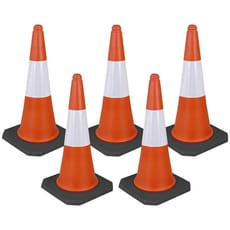
- Traffic Cone: A cone-shaped hazard marker with reflective bands, offering versatile warning capabilities particularly suited to tradespeople requiring flexible hazard marking for work sites, temporary parking zones, or multiple hazard points.
Who Uses Warning Triangles?
- Professional Drivers: HGV drivers, delivery drivers, and couriers legally required to carry warning triangles for commercial vehicles over 3.5 tonnes
- Fleet Managers: Those responsible for equipping company vehicles with compliant safety equipment and ensuring driver preparedness
- Tradespeople: Builders, electricians, plumbers, joiners, and other trades travelling frequently between job sites with tools and equipment
- Mobile Mechanics: Breakdown recovery specialists and mobile vehicle technicians attending roadside repairs in various locations
- Construction Workers: Site operatives who may need to mark hazards on access roads, temporary routes, or construction approaches
- Landscape Gardeners: Professionals working near roads who need to alert traffic to parked vehicles, trailers, and equipment
- Road Maintenance Crews: Highway maintenance workers conducting roadside repairs, resurfacing, or infrastructure improvements
- Utility Workers: Gas, electric, water, and telecommunications operatives working near roadways or on emergency call-outs
- Caravan and Motorhome Owners: Touring enthusiasts carrying additional safety equipment for UK and European travel requirements
- Private Motorists: Safety-conscious drivers wanting to be properly prepared for breakdowns, punctures, or roadside emergencies
How to Choose the Right Warning Triangles
Compliance should be your primary consideration when selecting a warning triangle. Ensure the product meets ECE R27 standards, guaranteeing adequate size, reflectivity, and stability performance. Look for clear certification markings or labels confirming compliance, particularly important if you travel to Europe where warning triangles are legally mandatory and roadside fines can be issued for non-compliant or missing equipment.
Storage and portability prove crucial for practical everyday use. Choose designs that fold completely flat and include protective storage cases to prevent damage and keep reflective surfaces clean and scratch-free. Consider available storage space in your vehicle—compact designs suit smaller cars or vans already packed with tools and materials. Some models feature handy clips or straps for securing them inside vehicle boots, preventing them sliding around during transit.
Stability in adverse weather conditions can make the difference between effective warning and a hazard rolling across the carriageway. The selection at Tooled-Up includes triangles with wide, weighted bases that resist tipping in strong winds and turbulence from passing lorries. Premium models feature enhanced stability mechanisms or rubberised feet that grip road surfaces better, particularly valuable on motorways where traffic creates significant air disturbance.
For tradespeople and commercial drivers, consider investing in multiple warning devices. Pairing a traditional warning triangle with a collapsible traffic cone provides flexibility for different scenarios—triangles for roadside breakdowns and cones for marking hazards on job sites, in car parks, or when unloading materials. Traffic cones prove particularly useful for creating visible work zones or cordoning off areas during deliveries.
Reflectivity quality varies considerably between products, with better models featuring both fluorescent surfaces for daytime visibility and highly reflective strips for night-time effectiveness. Verify that reflective material covers substantial portions of the triangle and uses durable materials resistant to scratching during storage, deployment, and retrieval.
Popular Accessories
- High-Visibility Vests: Essential companion equipment for personal visibility when attending roadside emergencies or setting up warning devices
- Emergency Roadside Kits: Comprehensive safety sets including first aid supplies, torches, and breakdown essentials organised in one package
- LED Warning Lights: Battery-powered flashing beacons that supplement warning triangles with active lighting for enhanced visibility
- Traffic Cones: Additional hazard markers ideal for creating work zones, marking multiple hazards, or site-based applications
- Reflective Tape: For marking tools, equipment, vehicle bodies, or creating custom warning signs on site
- Fire Extinguishers: Vehicle-mounted extinguishers for comprehensive emergency preparedness, particularly important for tradespeople carrying flammable materials
- Jump Leads or Jump Starters: Essential breakdown equipment to resolve battery problems and get you back on the road quickly
- Torches or Head Torches: For visibility and hands-free working when setting up warning triangles in darkness or poor light
- Vehicle Storage Bags: Organised storage solutions keeping all emergency equipment together, accessible, and protected from damage
- Reflective Clothing: Additional high-visibility garments for maximum personal safety during roadside activities
Safety Information
Deploying a warning triangle safely is as important as carrying one. According to Highway Code recommendations, place your warning triangle at least 45 metres (approximately 50 paces) behind your vehicle on the same side of the road, giving approaching drivers sufficient warning to slow down. On faster roads, consider positioning it even further back if safe to do so. However, never attempt to place a warning triangle on motorways or hard shoulders—the risk to your personal safety is too great. Instead, exit your vehicle safely, move well away from the carriageway behind the barrier, and contact breakdown services.
Always wear a high-visibility vest before exiting your vehicle to deploy a warning triangle, ensuring other road users can see you clearly from distance. Check carefully for approaching traffic before stepping onto the road, being particularly vigilant on fast-moving roads, bends, or in poor visibility conditions. Face oncoming traffic as you walk to position the triangle so you maintain awareness of approaching vehicles throughout.
When retrieving your warning triangle, approach from the roadside verge rather than walking along the carriageway, maintaining constant awareness of traffic. Store the triangle in its protective case immediately to prevent damage to reflective surfaces, which deteriorate over time if scratched, crushed, or exposed to prolonged sunlight. Keep the storage case clean and ensure the triangle folds properly to prevent stress fractures at fold points.
Regularly inspect your warning triangle for damage, paying particular attention to reflective strips and structural integrity. Replace any triangle showing signs of cracks, significantly faded reflectivity, bent frames, or compromised stability bases. For tradespeople whose vans are constantly loaded and unloaded with heavy tools and materials, periodically check that your warning triangle hasn't been crushed or damaged. Even minor damage can significantly reduce visibility and effectiveness during emergencies when you need it most.
Frequently Asked Questions
Are warning triangles legally required in the UK?
Warning triangles are not legally required for private vehicles in the UK, but they are mandatory equipment for all commercial vehicles over 3.5 tonnes and are strongly recommended by the Highway Code for all motorists as part of vehicle emergency kits. They become legally required if you're driving in most European countries, where substantial fines can be issued for not carrying compliant warning triangles. Many breakdown organisations, fleet managers, and safety experts recommend carrying warning triangles regardless of legal requirements, particularly for tradespeople who spend considerable time travelling between sites.
How far behind my vehicle should I place a warning triangle?
The Highway Code recommends placing a warning triangle at least 45 metres (approximately 50 paces) behind your broken-down vehicle on the same side of the road. This distance provides approaching drivers sufficient warning to slow down and manoeuvre safely around your vehicle. On faster roads or in poor visibility, consider placing it even further back if you can do so safely. Never use a warning triangle on motorways or hard shoulders where the risk to your personal safety from passing traffic is too high—in these situations, exit your vehicle safely and move behind the barrier.
What's the difference between a warning triangle and a traffic cone?
Warning triangles are specifically designed for roadside emergencies and breakdowns, meeting strict ECE R27 safety standards for visibility, reflectivity, and stability. They're the recognised international symbol for a hazard ahead on public roads. Traffic cones offer more versatility for marking work areas, creating temporary zones, highlighting multiple hazards, or site-based applications, but don't have the same regulatory status for breakdown situations. Many tradespeople and professional drivers carry both types of warning device for maximum flexibility across different scenarios.
How do I know if my warning triangle meets safety standards?
Look for clear markings indicating ECE R27 compliance, which is the European standard for warning triangles used on public roads. Compliant triangles should display labels or stamps showing this certification, typically on the base or frame. The triangle should measure at least 50cm per side, feature substantial reflective strips, and incorporate a stable base design. Reputable brands like Sealey and Olympia manufacture products to these exacting standards, ensuring you carry reliable, compliant safety equipment that performs effectively during emergencies.
Do warning triangles expire or need replacing?
Warning triangles don't have fixed expiry dates, but require regular inspection and replacement if damaged or degraded. Reflective material can deteriorate over time, particularly if exposed to prolonged sunlight, repeatedly crushed during storage, or scratched by tools and equipment. If reflective strips appear scratched, significantly faded, or peeling, or if the frame shows cracks or the base is damaged, replace the triangle immediately. As general guidance, consider replacing your warning triangle every five years even if it appears undamaged, ensuring maximum reflectivity and structural integrity when you need it most during roadside emergencies.