

Car Wash Brushes
Pay in 3 interest-free payments on purchases from £30-2000 with  . Learn more.
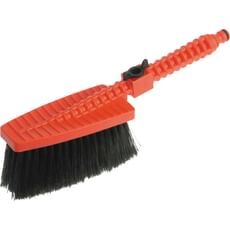
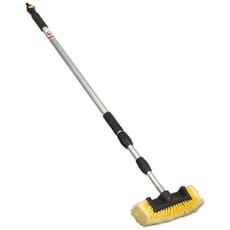
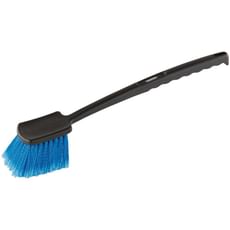
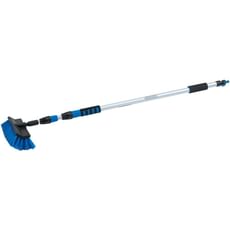
 Loading...
End of content
Error - No more pages to load
About Car Wash Brushes
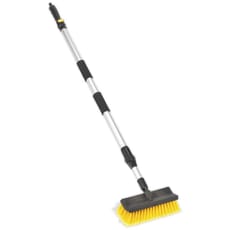
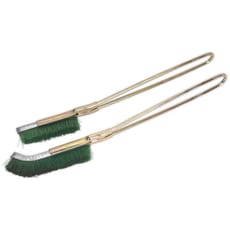
Maintaining a clean vehicle requires the right tools for the job, and car wash brushes are essential equipment for both professional valeting services and DIY enthusiasts who take pride in their vehicles. The selection at Tooled-Up.com includes everything from telescopic washing brushes with extended reach for larger vehicles to specialist wheel brushes designed to access hard-to-reach areas around brake callipers and spokes. Whether you're operating a professional car wash, running a mobile valeting business, or simply maintaining your own vehicle fleet, having quality wash brushes ensures efficient cleaning whilst protecting paintwork and delicate surfaces from scratching.
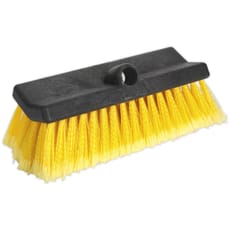
Modern car wash brushes incorporate advanced features such as flow-through technology that delivers water and cleaning solution directly through the brush head, eliminating the need for constant dipping into buckets. Available options include products from leading brands like Karcher, Sealey, Draper, and U-Care, offering both hand-held designs for detailed work and long-handled options for reaching roofs and bonnets without stretching. Many models feature soft, non-abrasive bristles specifically engineered to lift dirt whilst being gentle on modern car finishes, including sensitive clear coats and vinyl wraps.
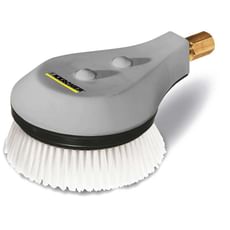
For those using pressure washers, specialist attachments including rotary wash brushes and push-on designs compatible with popular systems like Karcher's HD, XPERT, and K series machines are widely available. These pressure washer brushes combine mechanical cleaning action with high-pressure water flow for superior cleaning performance, making quick work of stubborn dirt, road grime, and winter salt deposits that can damage vehicle bodywork if left untreated. From compact hand brushes to telescopic models extending beyond three metres, there's a wash brush suited to every vehicle cleaning application.
Jargon Buster
- Flow-Through/Flo-Thru Brush: A brush design featuring hollow handles and specially designed brush heads that allow water or cleaning solution to flow directly through the brush whilst washing, ensuring constant water supply and reducing the need to return to a bucket repeatedly.
- Telescopic Handle: An extendable handle that adjusts to various lengths, typically from around 1.2 to 3 metres, allowing users to reach high areas like vehicle roofs and large commercial vehicles without ladders or excessive stretching.
- Easy!Lock System: Karcher's quick-connect system for attaching accessories to pressure washers, allowing tool-free, push-button connection and disconnection of wash brushes and other cleaning attachments.
- Rotary Wash Brush: A pressure washer attachment where the brush head rotates during use, powered by water pressure, providing enhanced mechanical cleaning action for heavily soiled surfaces.
- Non-Abrasive Bristles: Soft, flexible brush fibres (often nylon or natural materials) specifically designed to clean effectively without scratching paintwork, chrome, or glass surfaces.
- Squeegee: A rubber-bladed tool often included with wash brush sets, used for removing water from glass and bodywork after washing to prevent water spots and streaking.
Who Uses Car Wash Brushes?
- Professional Valeters: Mobile and fixed-location valeting services requiring reliable, efficient cleaning equipment for high-volume work
- Car Dealership Staff: Used for preparing vehicles for forecourt display and customer collection
- Fleet Maintenance Teams: Commercial vehicle operators maintaining company cars, vans, and lorries
- Taxi and Private Hire Drivers: Maintaining professional vehicle appearance between deep cleans
- Haulage and Transport Companies: Keeping HGV cabs and trailers clean and presentable
- Caravan and Motorhome Owners: Maintaining large recreational vehicles where extended reach is essential
- Bus and Coach Operators: Cleaning large passenger vehicles efficiently
- DIY Enthusiasts: Home users who prefer washing their own vehicles to maintain value and appearance
- Detailing Specialists: Professional detailers requiring specific brushes for different surfaces and cleaning stages
- Car Wash Businesses: Commercial operators supplementing automated systems with hand-finishing equipment
How to Choose the Right Car Wash Brushes
Bristle Type and Softness: Consider the surfaces you'll be cleaning most frequently. Soft nylon or natural bristles are ideal for paintwork and delicate finishes, preventing scratches whilst effectively lifting dirt. Stiffer bristles may be appropriate for wheel arches and undercarriage areas where tougher grime accumulates. Many professional valeters maintain multiple brushes for different applications to protect various surfaces.
Handle Length and Design: For standard cars, a handle length of 1.2 to 1.5 metres provides adequate reach without being cumbersome. Telescopic models offer versatility, extending to 2.5 metres or more for 4x4s, vans, and motorhomes. Consider whether you need a fixed-length brush for ease of use or an adjustable model for versatility across different vehicle types. Lightweight aluminium handles with comfortable grips reduce fatigue during extended cleaning sessions.
Water Delivery System: Flow-through brushes connect directly to your hose pipe, delivering continuous water supply during washing. This significantly speeds up the cleaning process and ensures dirt is constantly rinsed away rather than being redistributed. Standard brushes require bucket dipping but offer greater portability and work without a permanent water connection, making them ideal for mobile valeting services.
Pressure Washer Compatibility: If you use a pressure washer for vehicle cleaning, ensure brush attachments match your machine's connection system. Karcher's Easy!Lock system offers tool-free attachment changes, whilst older models may use screw-on or bayonet fittings. Check the pressure rating to ensure the brush can handle your machine's output safely, particularly important for commercial-grade equipment.
Brush Head Size and Shape: Larger brush heads (200mm or wider) cover more surface area quickly, ideal for bonnets, roofs, and side panels. Smaller, shaped brushes provide better control for detailed work around mirrors, grilles, and intricate bodywork. Specialist wheel brushes feature angled heads to access brake callipers and spokes effectively without damaging delicate alloy finishes.
Build Quality and Durability: Professional users should invest in robust construction with reinforced handles and securely attached brush heads that withstand daily use and chemical cleaning products. Brands like Sealey, Karcher, and Draper offer trade-quality options designed for commercial environments rather than occasional domestic use. Look for replaceable brush heads that extend tool life without requiring complete replacement.
Popular Accessories
- Hose Pipe Connectors and Adapters: Quick-release fittings for efficient attachment of flow-through brushes
- Pressure Washer Lance Extensions: Increase reach when using pressure washer-mounted wash brushes
- Buckets and Grit Guards: Essential for traditional two-bucket washing methods to prevent dirt recontamination
- Car Shampoo and Cleaning Solutions: pH-neutral formulas designed for use with wash brushes without damaging bristles
- Wheel Cleaning Brushes: Specialist designs for alloy wheels, spokes, and brake components
- Squeegees and Water Blades: For efficient water removal after washing to prevent spotting
- Microfibre Drying Towels: Final drying stage after brush washing and squeegeeing
- Storage Hooks and Brackets: Wall-mounted organisation for brush storage in workshops and garages
- Replacement Brush Heads: Available for many models to extend tool life without replacing entire units
- Pressure Washer Detergent Bottles: For applying cleaning solution before brush washing
Frequently Asked Questions
Can I use car wash brushes on all vehicle finishes?
Most modern car wash brushes with soft, non-abrasive bristles are safe for all factory paint finishes, including metallic and pearlescent paints. However, always check the manufacturer's recommendations, particularly for vehicles with vinyl wraps, matte finishes, or recently applied paint protection coatings. When in doubt, test in an inconspicuous area first, and avoid circular scrubbing motions which can create swirl marks on darker paintwork. The range at Tooled-Up includes specialist soft-bristle brushes specifically designed for delicate surfaces.
How do I prevent my wash brush from scratching paintwork?
Prevent scratches by thoroughly rinsing your vehicle and brush before contact to remove loose grit and stones. Use plenty of clean water and appropriate car shampoo to lubricate the surface, and rinse the brush frequently during washing to prevent dirt accumulation in the bristles. Never use the same brush for wheels and bodywork, as brake dust is highly abrasive. Replace brushes when bristles become worn or damaged, as compromised bristles are more likely to cause surface damage.
What's the advantage of a telescopic wash brush over a standard fixed-length model?
Telescopic brushes offer significant versatility, allowing you to adjust reach according to the vehicle size and area being cleaned. They're particularly valuable when washing larger vehicles like vans, 4x4s, motorhomes, or commercial vehicles where roof access would otherwise require steps or ladders. For professional valeters working with varied vehicle types, a single telescopic brush replaces multiple fixed-length tools, saving storage space and equipment investment whilst improving working safety by reducing stretching and ladder use.
Are flow-through brushes compatible with all garden hoses?
Most flow-through or flo-thru brushes use standard UK garden hose connectors (typically 12.5mm or 1/2 inch fittings), making them compatible with the majority of domestic hose pipes. Some professional models may require specific adapters, particularly when connecting to commercial water supplies or pressure washer systems. Check the product specifications for connection requirements, and consider purchasing quick-release connectors for easier attachment and removal during use.
How often should I replace my car wash brush?
Replacement frequency depends on usage intensity and maintenance. Professional valeters using brushes daily may need replacement every 6-12 months, whilst domestic users washing weekly might expect 2-3 years of service. Signs that replacement is needed include bristle splaying or loss, handle damage or loosening, reduced water flow in flow-through models, or visible bristle wear. Regular rinsing after use and proper storage away from direct sunlight significantly extends brush life. Many models from brands like Sealey and Draper offer replaceable brush heads, providing a more economical alternative to complete replacement.