

Waterproof Leggings & Trousers
Pay in 3 interest-free payments on purchases from £30-2000 with  . Learn more.
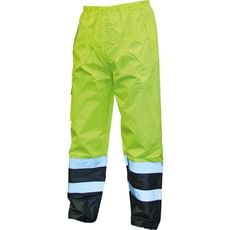
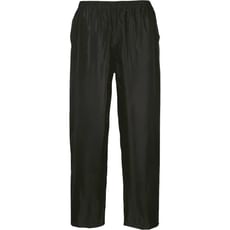
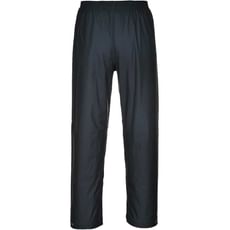
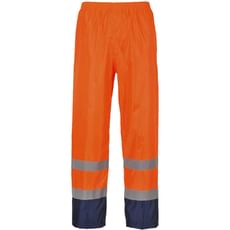
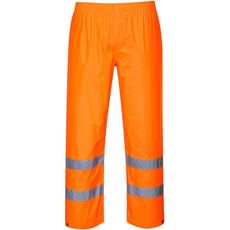
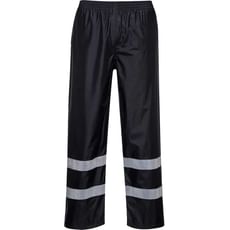
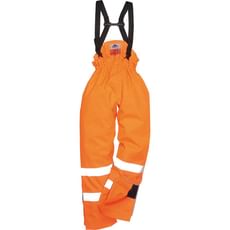
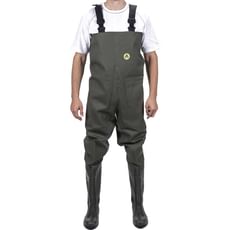
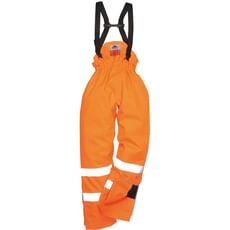
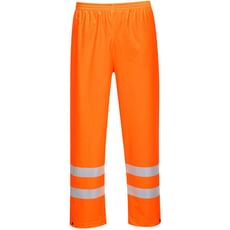
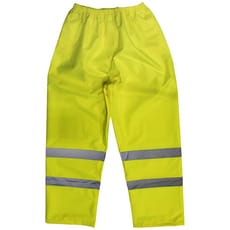
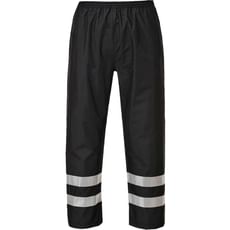
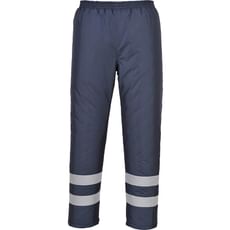
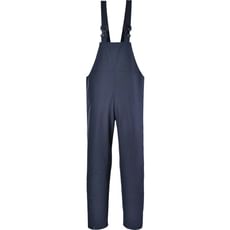
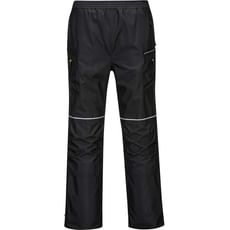
 Loading...
End of content
Error - No more pages to load
About Waterproof Leggings & Trousers
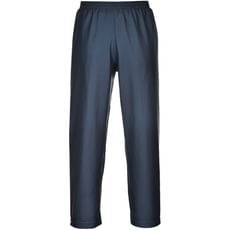
Waterproof leggings and trousers are essential protective workwear designed to keep workers dry and comfortable in wet weather conditions and demanding outdoor environments. These garments provide a crucial barrier against rain, spray, and moisture while allowing freedom of movement for physical work. From construction sites and highways to agricultural work and fisheries, waterproof trousers form a vital part of professional protective clothing across numerous trades and industries.
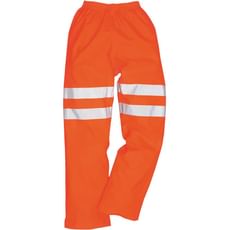
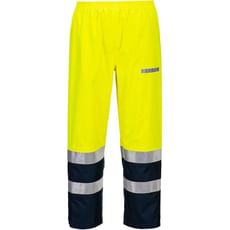
The range available at Tooled-Up.com includes classic rain trousers, hi-vis waterproof trousers for roadside visibility, flame-resistant options for hazardous environments, and specialised chest waders for working in or around water. Modern waterproof trousers incorporate advanced materials and construction techniques, featuring sealed seams, breathable fabrics, and reinforced high-wear areas to deliver reliable protection without compromising comfort. Many designs include practical features such as elasticated waists, adjustable leg lengths, and convenient pocket configurations for tools and equipment.
Quality waterproof trousers represent an investment in worker safety and productivity. Staying dry throughout the working day reduces discomfort, prevents cold-related health issues, and maintains focus on the task at hand. Whether you need lightweight packable rain trousers for occasional showers or heavy-duty bib and brace overtrousers for continuous exposure to wet conditions, selecting the appropriate waterproof legwear ensures protection tailored to your specific working environment and requirements.
Jargon Buster
- Waterproof Rating: Measured in millimetres (mm), this indicates how much water pressure a fabric can withstand before leaking. A rating of 5,000mm is considered waterproof for moderate use, while 10,000mm+ suits heavy rain and prolonged exposure.
- Breathability: The fabric's ability to allow moisture vapour (perspiration) to escape while preventing water ingress. Measured in grams per square metre over 24 hours (g/m²/24hr), higher values indicate better breathability and reduced condensation inside the garment.
- Seam Sealing: A process where waterproof tape is applied to stitched seams, preventing water penetration through needle holes. Fully taped seams offer complete waterproof protection, while critically taped seams cover only high-exposure areas.
- Bib and Brace: A trouser design featuring a chest bib section with shoulder straps (braces), providing additional upper body protection and preventing trousers from slipping down during movement or when carrying heavy tools.
- Hi-Vis (High Visibility): Garments incorporating fluorescent colours and reflective tape to enhance wearer visibility in low light conditions or near moving traffic, conforming to standards such as EN ISO 20471.
- PVC/PU Coating: Polyvinyl chloride (PVC) or polyurethane (PU) applied to fabric bases to create waterproof barriers. PVC offers excellent waterproofing at lower cost, while PU provides greater flexibility and breathability.
Who Uses Waterproof Leggings & Trousers?
Waterproof trousers serve professionals across diverse industries and working environments:
- Construction Workers: Builders, groundworkers, and labourers working outdoors in all weather conditions
- Highway Maintenance Teams: Road workers requiring hi-vis waterproof protection near traffic
- Agricultural Workers: Farmers, farm labourers, and livestock handlers exposed to wet conditions daily
- Landscapers and Groundskeepers: Garden maintenance professionals working year-round outdoors
- Utility Workers: Gas, water, electricity, and telecommunications engineers conducting outdoor repairs
- Fishery Workers: Commercial and aquaculture workers requiring chest waders and waterproof protection
- Waste Management Operatives: Refuse collectors and street cleaners working in all weathers
- Delivery Drivers: Couriers and logistics personnel making outdoor deliveries regardless of conditions
- Event Staff: Outdoor event workers, stewards, and security personnel
- DIY Enthusiasts: Homeowners undertaking outdoor projects and maintenance tasks
How to Choose the Right Waterproof Leggings & Trousers
Waterproof Performance: Consider your exposure level. Occasional outdoor work may only require 3,000-5,000mm waterproofing, whilst continuous exposure to heavy rain or water spray demands 10,000mm+ ratings. Check that seams are fully taped for complete protection.
Breathability Requirements: If you perform physically demanding work, prioritise breathable fabrics to prevent internal condensation and discomfort. Look for materials with breathability ratings above 5,000 g/m²/24hr, particularly for warm weather use.
Visibility Needs: Work near roads, machinery, or in low-light conditions requires hi-vis waterproof trousers meeting EN ISO 20471 standards. Choose Class 1, 2, or 3 ratings based on your risk assessment and HSE requirements.
Durability and Reinforcement: Assess the working environment for abrasion risks. Heavy-duty trousers with reinforced knees, seat, and hem areas withstand demanding conditions better. Oxford weave fabrics (measured in denier, such as 300D) offer excellent tear resistance.
Comfort and Fit: Waterproof trousers must fit over regular work clothing without restriction. Look for elasticated waists, adjustable hems, and articulated knees for freedom of movement. Consider whether you need regular trousers or bib and brace styles for additional coverage.
Special Requirements: Certain industries demand specific features. Tooled-Up stocks flame-resistant waterproof trousers for welding and hot work environments, anti-static options for explosive atmospheres, and chest waders with steel toe protection for fishery applications.
Packability: If waterproof trousers serve as emergency backup rather than constant wear, lightweight packable designs that fold into compact pouches offer convenient storage in vehicles or toolboxes until needed.
Popular Accessories
- Waterproof Jackets: Complete rain protection when paired with waterproof trousers, available in matching hi-vis styles
- Safety Wellington Boots: Waterproof footwear with steel toe caps and puncture-resistant midsoles for comprehensive lower body protection
- Hi-Vis Vests and Bodywarmers: Additional visibility layers worn over waterproof clothing
- Work Gloves: Waterproof or water-resistant gloves maintaining hand protection and dexterity in wet conditions
- Waterproof Bags and Rucksacks: Protecting tools, equipment, and personal items from moisture
- Thermal Base Layers: Insulating undergarments maintaining warmth beneath waterproof outer shells
- Waterproofing Sprays: Maintenance products restoring water-repellent properties to fabrics over time
- Knee Pads: Additional knee protection for kneeling work, particularly when wearing unlined waterproof trousers
Safety Information
Standards Compliance: Ensure waterproof trousers meet relevant EN standards for your application. Hi-vis garments should conform to EN ISO 20471, whilst flame-resistant options require EN ISO 11612 certification. Check that any protective features (such as steel toecaps in waders) maintain appropriate EN standards.
Visibility Maintenance: Regularly inspect reflective tape and hi-vis fabric for wear, damage, or reduced effectiveness. Replace garments when visibility features deteriorate, as this compromises safety near traffic or machinery. Follow manufacturer washing instructions to preserve reflective properties.
Heat Stress Awareness: Waterproof garments can trap body heat during physical work or warm conditions. Monitor for signs of heat stress and ensure adequate hydration. Choose breathable fabrics where possible and remove waterproof layers when conditions permit.
Slip Hazards: Wet trousers can create slip risks on smooth surfaces. Ensure waterproof footwear provides adequate grip, and be mindful of trailing trouser legs that may cause trips. Adjust or secure excess fabric at ankles appropriately.
Storage and Care: Store waterproof trousers clean and dry to prevent degradation. Avoid prolonged exposure to direct sunlight or heat sources, which can damage waterproof coatings. Follow care instructions carefully – some waterproof treatments require periodic reactivation through tumble drying or ironing at specific temperatures.
Frequently Asked Questions
What's the difference between waterproof and water-resistant trousers?
Waterproof trousers provide complete protection against water penetration, typically with ratings of 3,000mm or higher and sealed seams. Water-resistant trousers offer limited protection against light rain or spray but will eventually allow water through during prolonged exposure. For professional outdoor work, always choose genuinely waterproof garments meeting appropriate standards.
How do I maintain waterproof trousers to ensure longevity?
Clean waterproof trousers regularly according to manufacturer instructions, typically using mild detergent and avoiding fabric softeners which damage water-repellent treatments. Reproofing sprays can restore durable water repellent (DWR) coatings when water stops beading on the surface. Store garments hanging in cool, dry conditions away from direct heat or sunlight.
Can I wear waterproof trousers for flame-resistant work?
Standard waterproof trousers do not provide flame protection and may actually increase fire risk. If your work involves welding, hot work, or potential flame exposure, you must use specifically certified flame-resistant waterproof trousers such as BizFlame options that meet EN ISO 11612 standards for both weather protection and flame resistance.
Do I need lined or unlined waterproof trousers?
Lined waterproof trousers include an insulating layer providing warmth for cold weather work, ideal for winter conditions or static outdoor tasks. Unlined versions offer greater breathability and versatility, allowing you to adjust insulation by wearing thermal layers underneath according to temperature. Consider your typical working conditions and whether you need year-round or seasonal protection.
What hi-vis class do I need for roadside work?
For highway maintenance and roadside work, the HSE recommends Class 3 hi-vis clothing (the highest visibility level) incorporating both fluorescent background material and reflective tape. This ensures maximum visibility to approaching traffic. Check your employer's risk assessment and comply with specified requirements, which may vary based on traffic speed, light conditions, and specific work location.