
Waterproof Suits

Pay in 3 interest-free payments on purchases from £20-£3000 with  . Learn more.
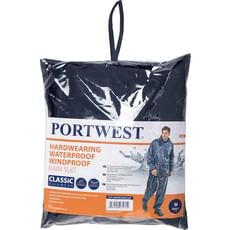
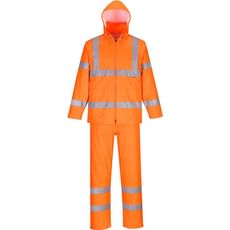
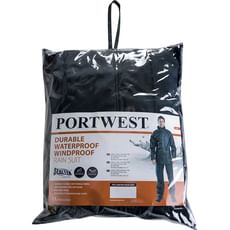
Loading...
End of content
Error - No more pages to load
About Waterproof Suits
Waterproof suits are essential protective clothing designed to keep workers completely dry in wet weather conditions and damp working environments. Consisting of a waterproof jacket and trousers combination, these suits provide full-body protection against rain, spray, and moisture whilst allowing freedom of movement for demanding tasks. Whether you're working outdoors on a construction site, maintaining infrastructure in all weathers, or tackling agricultural work, a quality waterproof suit forms a crucial part of your personal protective equipment.
Modern waterproof suits combine robust materials with practical design features to deliver reliable weather protection without compromising comfort or safety. Tooled-Up.com stocks waterproof suits from trusted brands including Portwest, Dickies, and Sealtek, offering solutions for various budgets and requirements. These suits typically feature polyester construction with PVC or polyurethane coatings, sealed or taped seams to prevent water ingress, and adjustable features like elasticated waistbands, storm cuffs, and concealed hoods for comprehensive coverage.
High-visibility options are also available for tradespeople who need to maintain visibility whilst working near traffic or operating machinery in poor weather conditions. With waterproofness ratings typically ranging from 3,000mm to 8,000mm water column pressure, these suits provide varying levels of protection suitable for light showers through to heavy, persistent rain. Many designs pack away into compact storage bags, making them convenient to keep in your van or toolbox ready for unexpected weather changes on site.
Jargon Buster
- Waterproof Rating (mm): Measured in millimetres of water column pressure, this indicates how waterproof a fabric is. A rating of 3,000mm provides basic waterproofing suitable for light rain, whilst 5,000mm+ offers protection in heavy, sustained rainfall.
- Taped Seams: A waterproofing technique where seams are sealed with adhesive tape on the inside to prevent water penetrating through stitching holes. Fully taped seams offer superior protection compared to partially sealed construction.
- PVC Coating: Polyvinyl chloride coating applied to fabric to create a waterproof barrier. PVC-coated materials are durable, affordable, and provide excellent water resistance, though they're less breathable than technical alternatives.
- Packaway Design: Waterproof suits that fold into a compact pouch or bag for easy storage and transportation. Ideal for keeping in vehicles or toolboxes as emergency weather protection.
- Storm Cuffs: Adjustable cuffs with elasticated or Velcro fastenings that create a tight seal around wrists to prevent water running down sleeves during overhead work or in driving rain.
- High-Visibility (Hi-Vis): Suits incorporating fluorescent materials and reflective tape that comply with EN ISO 20471 standards, ensuring the wearer remains visible in low-light conditions and near traffic.
Who Uses Waterproof Suits?
Waterproof suits are essential workwear for numerous trades and professions who regularly work outdoors or in wet environments:
- Construction Workers: Site labourers, groundworkers, and general builders working on exposed sites in all weather conditions
- Landscapers and Groundskeepers: Garden maintenance professionals, grounds maintenance teams, and horticultural workers
- Agricultural Workers: Farmers, livestock handlers, and agricultural contractors working outdoors year-round
- Highway Maintenance: Road workers, street cleaners, and highways maintenance teams requiring hi-vis waterproof protection
- Utility Workers: Engineers and technicians working for water, gas, electricity, and telecommunications companies
- Delivery Drivers: Couriers and delivery personnel making multiple outdoor stops in poor weather
- Event Crew: Outdoor event staff, festival workers, and stadium maintenance teams
- Waste Management: Refuse collectors and recycling operatives working outdoors in all conditions
- Marine Workers: Dock workers, harbour staff, and marina maintenance personnel exposed to spray and wet conditions
- DIY Enthusiasts: Homeowners tackling outdoor projects, gardening, and property maintenance regardless of weather
How to Choose the Right Waterproof Suits
Waterproof Rating: Consider the typical conditions you'll face. For occasional light rain or short-term exposure, a 3,000mm rating provides adequate protection. For regular outdoor work in heavy British weather, look for 5,000mm or higher ratings to ensure you stay dry during prolonged exposure.
Visibility Requirements: If you work near traffic, operating machinery, or on sites requiring high-visibility clothing, choose suits meeting EN ISO 20471 standards with fluorescent fabric and reflective tape. The Portwest Hi Vis Packaway Rainsuit available from Tooled-Up combines weather protection with essential visibility features.
Seam Construction: Fully taped or welded seams prevent water ingress through stitching holes, crucial for reliable long-term waterproofing. Check whether seams are fully or partially sealed, as this significantly affects performance in heavy rain.
Fit and Mobility: Ensure suits are sized to fit comfortably over your normal work clothing and allow unrestricted movement for bending, reaching, and climbing. Look for features like articulated knees, elasticated sections, and adjustable cuffs that enhance comfort during active work.
Practical Features: Consider details like concealed hoods that deploy when needed, storm flaps over zips to prevent water ingress, multiple pockets for tools and equipment, and packaway designs for convenient storage. Elasticated waists and ankle adjustments help seal out water whilst maintaining comfort.
Durability vs. Portability: Heavier-duty suits with thicker PVC coatings offer greater durability for demanding site work but may be bulkier. Lighter packaway designs are more portable but may wear faster with intensive use. Match the construction to your typical working conditions.
Popular Accessories
- Waterproof Boots: Essential footwear to complete full-body weather protection, available in safety and non-safety specifications
- Waterproof Gloves: Keep hands dry and maintain grip in wet conditions whilst handling tools and materials
- Hi-Vis Vests: Additional visibility layer that can be worn over waterproof suits for enhanced conspicuity
- Hard Hats with Rain Gutters: Protective headwear designed to channel water away from your face and neck
- Thermal Underlayers: Base layers and fleeces to wear beneath waterproof suits for warmth in cold, wet conditions
- Workwear Storage Bags: Dedicated bags for transporting wet or muddy waterproof gear separately from clean clothing
- Waterproofing Sprays: Reproofing treatments to restore water repellency as suits age and the coating degrades
- Tool Belts and Pouches: External storage solutions that keep tools accessible when waterproof suit pockets aren't sufficient
Frequently Asked Questions
What's the difference between waterproof and water-resistant suits?
Waterproof suits provide complete protection against water penetration, suitable for sustained exposure to rain. Water-resistant garments offer temporary protection against light moisture but will eventually allow water through under persistent rainfall or pressure. For serious outdoor work, always choose genuinely waterproof suits with appropriate ratings rather than water-resistant alternatives.
How should I care for my waterproof suit to maintain its performance?
Rinse suits with clean water after use to remove dirt and contaminants that can damage coatings. Allow to air dry naturally away from direct heat sources, which can degrade waterproof membranes. Store in a cool, dry place away from sunlight when not in use. Avoid washing in machines unless manufacturer instructions specifically permit it, as agitation can damage seam taping and coatings.
Can waterproof suits be worn over safety clothing like high-visibility vests?
Yes, waterproof suits are typically sized to accommodate normal work clothing underneath, including hi-vis vests and light fleeces. However, for sites requiring high-visibility compliance, it's better to choose a hi-vis waterproof suit that meets visibility standards on its own, ensuring you remain compliant whilst protected from the weather.
How do I know what size waterproof suit to buy?
Waterproof suits should fit comfortably over your regular work clothing with room for movement. Consult manufacturer size charts which typically correspond to standard UK clothing sizes. Consider that you may wear thermal layers underneath in winter, so if between sizes, opt for the larger option to ensure adequate freedom of movement for demanding physical work.
Are packaway waterproof suits as effective as regular designs?
Modern packaway suits from brands like Portwest available at Tooled-Up offer comparable waterproof ratings and seam-sealed construction to standard suits. The main difference is typically lighter-weight materials that fold more compactly. Whilst potentially less durable under constant abrasion than heavy-duty alternatives, packaway designs provide excellent emergency protection and are ideal for keeping readily available for unexpected weather changes.