

Waterproofers & Building Chemicals
Pay in 3 interest-free payments on purchases from £30-2000 with  . Learn more.
 Loading...
End of content
Error - No more pages to load
About Waterproofers & Building Chemicals
Waterproofers and building chemicals are essential products for protecting structures from moisture damage, enhancing concrete performance, and ensuring construction projects deliver lasting quality. This comprehensive category encompasses a wide range of specialist solutions including damp proof membranes, tanking systems, cement bonding agents, PVA adhesives, bitumen coatings, and concrete additives. Whether you're undertaking new build projects, renovation work, or essential maintenance tasks, selecting the right waterproofing solutions and building chemicals is crucial for preventing costly water damage and achieving professional, durable results that stand the test of time.
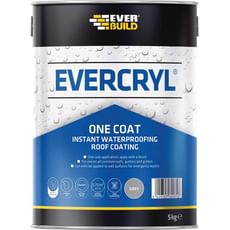
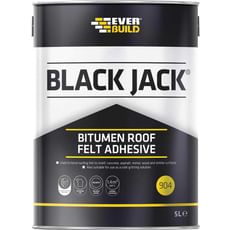
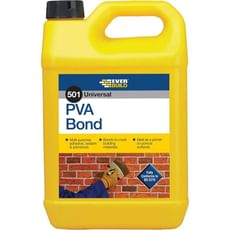
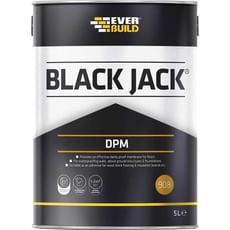
The carefully selected range at Tooled-Up.com features trusted brands like Everbuild and Ronseal, delivering proven performance across diverse applications. From waterproofing wet rooms and tanking basements to protecting flat roofs, stabilising friable surfaces, and improving concrete strength, these specialist products address the specific challenges faced by tradespeople on site. The Everbuild Black Jack range offers bitumen-based solutions for roofing and below-ground applications, whilst modern acrylic systems like Evercryl and Aquaseal provide quick-drying, flexible waterproof membranes. Many products offer versatile functionality – for example, Everbuild Universal PVA Bond serves as a sealer, bonding agent, cement admixture, and dust proofer, making it an essential addition to any tradesperson's toolkit.
Beyond waterproofing, this category includes vital concrete and mortar additives that modify material properties to suit challenging site conditions. Frostproofers and accelerators enable winter working by protecting against freeze damage and speeding curing times, whilst integral waterproofers and hardeners improve durability and surface resistance. Stabilising solutions prepare powdery or friable substrates for decoration, and bonding agents ensure strong adhesion between old and new materials. Whether you're a builder, plasterer, roofer, bathroom fitter, or skilled DIY enthusiast, understanding which waterproofer or building chemical to specify for each application is fundamental to achieving professional results and avoiding expensive remedial work.
Jargon Buster
- Tanking: The application of waterproof membranes or coatings to walls and floors, typically in basements, cellars, or wet rooms, creating a barrier that prevents water penetration through the structure.
- DPM (Damp Proof Membrane): A waterproof barrier applied as a liquid coating or sheet material, designed to prevent moisture transmission through floors, walls, or beneath concrete slabs, protecting structures from rising damp and ground moisture.
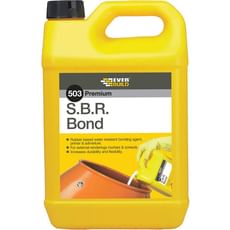
- PVA Bond: Polyvinyl Acetate adhesive used extensively as a bonding agent, primer, sealer, and cement admixture. It improves adhesion between old and new surfaces, reduces porosity, and enhances workability of plaster and render mixes.
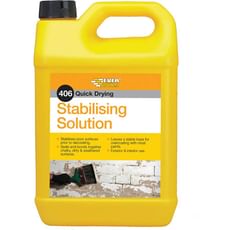
- Stabilising Solution: A penetrating liquid treatment applied to friable, dusty, or highly porous surfaces to bind loose material and create a stable, sealed base that improves adhesion of subsequent coatings, renders, or decorative finishes.
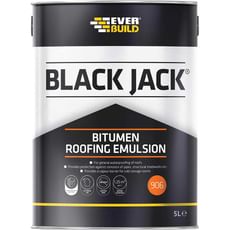
- Bitumen Emulsion: A water-based bitumen product used for waterproofing flat roofs, paths, and below-ground structures. Emulsions are safer and easier to apply than traditional hot bitumen whilst delivering excellent weatherproofing performance.
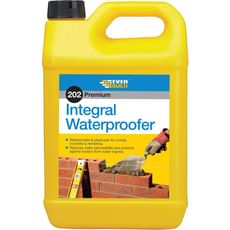
- Integral Waterproofer: A liquid additive mixed directly into concrete or mortar during preparation, making the entire mass water-resistant rather than relying on surface treatments. Provides superior long-term protection for foundations, retaining walls, and underground structures.
Who Uses Waterproofers & Building Chemicals?
- General Builders: For damp proofing, tanking basements and cellars, improving concrete performance on new builds, extensions, and renovation projects requiring moisture protection.
- Plasterers and Renderers: Using bonding agents, stabilising solutions, and PVA products to prepare substrates, improve adhesion, and enhance the workability and durability of renders and plasters.
- Roofers: Applying bitumen coatings, felt adhesives, and all-weather protective treatments to flat roofs, pitched roof repairs, and weatherproofing applications on both residential and commercial properties.
- Bathroom Fitters and Wet Room Installers: Installing tanking membranes and waterproof systems to create reliable, code-compliant shower enclosures and wet rooms that prevent water damage to surrounding structures.
- Groundworkers and Concreters: Adding frostproofers, accelerators, hardeners, and integral waterproofers to concrete and mortar mixes to improve performance, enable winter working, and enhance durability.
- Property Maintenance Professionals: Diagnosing and treating damp issues, repairing deteriorated concrete, applying protective coatings, and performing preventative maintenance to extend building lifespan.
- Renovation and Restoration Specialists: Addressing water ingress problems in older properties, stabilising deteriorated substrates, and preparing surfaces for redecoration whilst preserving original fabric.
- DIY Enthusiasts: Tackling home improvement projects including bathroom renovations, garage and basement waterproofing, garden structure protection, and general building repair work.
How to Choose the Right Waterproofers & Building Chemicals
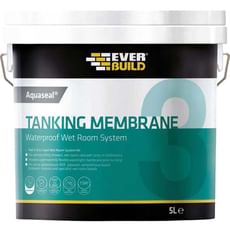
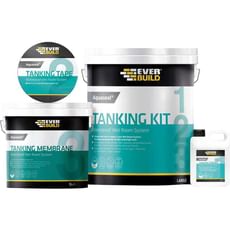
Identify Your Specific Application: Different products are formulated for different purposes. Tanking membranes like Everbuild Aquaseal excel for wet rooms and basements, Black Jack bitumen products suit roofing applications, PVA bonds work well for general sealing and bonding tasks, whilst integral waterproofers are added directly to concrete mixes. Always match the product specification to your particular requirement for optimal performance.
Consider Substrate Compatibility: The surface you're treating significantly affects product selection. Stabilising solutions like Everbuild 406 work on powdery or friable surfaces such as old render or weathered brickwork, whilst cement bonding agents help new concrete adhere reliably to existing structures. Check technical datasheets to ensure compatibility with your substrate material before purchasing.
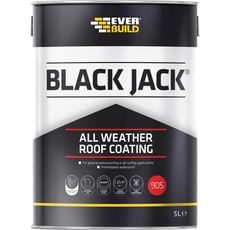
Assess Environmental and Site Conditions: Working during winter months? You'll need frostproofers or accelerators to maintain concrete strength and enable proper curing in cold weather. For external applications exposed to UV radiation and weathering, choose products specifically formulated for all-weather protection, such as Everbuild Black Jack 905 All Weather Roof Coating.
Calculate Coverage and Quantity Requirements: Measure the area you need to treat and check the product's coverage rate per litre. Buying larger 5-litre containers rather than 1-litre tins typically provides better value for larger projects. Remember that highly porous or textured surfaces may require additional coats, significantly affecting the total quantity needed.
Factor in Drying and Curing Times: Consider your project timeline and workflow. Some modern tanking membranes can be tiled over within just a few hours, whilst others require 24-48 hours curing before overcoating. Concrete additives may accelerate or extend working time depending on formulation, affecting scheduling on busy sites.
Verify Compliance with Building Regulations: For commercial work, building control applications, or projects requiring warranty coverage, ensure products meet relevant British Standards and Building Regulations requirements for waterproofing, chemical resistance, and structural performance, particularly for habitable spaces and below-ground construction.
Popular Accessories
- Application Brushes and Rollers: Specialist applicators designed for spreading waterproofing membranes, bitumen products, and liquid DPMs evenly and efficiently across surfaces.
- Mixing Paddles and Drill Attachments: Heavy-duty mixing equipment for thoroughly incorporating additives into cement, concrete, and mortar mixes to ensure even distribution.
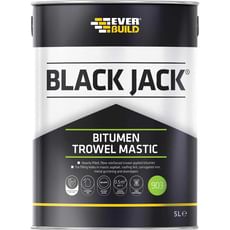
- Trowels and Spreaders: Various sizes for applying mastic-type waterproofing products, bitumen coatings, and trowel-applied membranes to awkward areas.
- Measuring Containers and Calibrated Jugs: Accurate measurement tools essential for achieving correct mixing ratios when preparing solutions, diluting products, and adding chemical additives.
- Protective Dust Sheets and Masking Materials: Polythene sheeting, fleece, and masking tape to protect surrounding areas during application of liquid waterproofing products.
- Joint Tapes and Reinforcement Materials: Scrim tape, waterproof matting, and corner reinforcement for strengthening joints, internal angles, and potential weak points in tanking systems.
- Surface Preparation Tools: Wire brushes, scrapers, vacuum equipment, and pressure washers for proper substrate preparation before applying waterproofing treatments.
- Cleaning Solvents and Equipment Cleaners: Specialist cleaners for maintaining brushes, rollers, and mixing equipment after using bitumen products, adhesives, and chemical treatments.
Safety Information
Many waterproofing products and building chemicals contain substances requiring careful handling and appropriate precautions. Always read the product safety data sheet (SDS) before use and ensure adequate ventilation when working with bitumen-based products, adhesives, solvents, and chemical additives. Wear appropriate PPE including chemical-resistant gloves, safety glasses, and respiratory protection where recommended by the manufacturer, particularly when working in confined spaces such as basements, cellars, or enclosed wet rooms.
COSHH (Control of Substances Hazardous to Health) regulations apply to chemical products used on professional construction sites. Ensure you've completed appropriate risk assessments and that all operatives are fully briefed on correct handling procedures before commencing work. Store products in accordance with manufacturer instructions, keeping them away from heat sources, direct sunlight, and out of reach of children. Some products are flammable or may react dangerously with other chemicals, so never mix different products unless specifically instructed by the manufacturer.
When adding chemical additives to concrete or mortar mixes, follow dosage instructions precisely – exceeding recommended amounts can adversely affect strength, curing times, and long-term performance. Dispose of empty containers and waste material responsibly, following local authority guidelines and environmental regulations. Always avoid skin and eye contact with concentrated products, and wash thoroughly with soap and water after handling any building chemicals. Keep emergency contact numbers readily available and ensure first aid facilities are accessible on site.
Frequently Asked Questions
What's the difference between Type 1 and Type 2 tanking systems?
Type 1 tanking creates a waterproof barrier that prevents water from penetrating into the structure, essentially keeping moisture out completely. Type 2 systems allow water to penetrate the substrate but then manage it through a cavity drainage system that channels moisture away safely. Type 1 tanking is generally more suitable for new builds and situations with minor damp issues, whilst Type 2 works better for properties experiencing significant water pressure or older structures where achieving complete impermeability is difficult or impractical due to substrate condition.
Can I use PVA bond as a waterproofer?
Whilst PVA bonds help reduce porosity and improve moisture resistance of porous substrates, they shouldn't be relied upon as primary waterproofing solutions. Standard PVA products aren't fully waterproof and can re-emulsify when exposed to sustained moisture or standing water. For genuine waterproofing applications such as wet rooms, shower enclosures, basements, or external walls below ground level, always use dedicated waterproofing membranes or tanking systems like Everbuild Aquaseal that are specifically formulated and tested for those demanding applications.
When should I add frostproofer to concrete mixes?
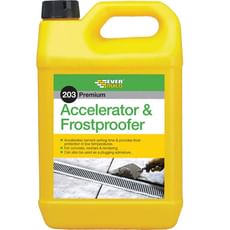
Frostproofer should be added to concrete and mortar mixes when air temperatures are forecast to drop below 5°C during the critical curing period. It works by accelerating the initial setting process and depressing the freezing point of water within the mix, allowing concrete to gain sufficient strength before frost damage can occur. However, it remains good practice to protect newly laid concrete with insulating covers or heated enclosures during prolonged cold weather, even when using frostproofer additives, particularly for structural applications.
How long does tanking membrane take to dry before I can tile over it?
Drying times vary depending on the specific product formulation, but most modern acrylic-based tanking membranes available from Tooled-Up.com like Everbuild Aquaseal are touch-dry within 1-2 hours and can typically be tiled over after 4-6 hours, or when the final coat has fully changed from its wet colour (often pink or blue) to the cured colour. Always check the manufacturer's technical datasheet for specific guidance, and ensure adequate ventilation to accelerate drying. In cold or humid conditions, allow additional time before proceeding with tiling or applying adhesives.
Do I need to prime surfaces before applying waterproofing products?
Surface priming requirements depend on both the substrate type and the waterproofing product being applied. Porous surfaces like concrete blocks, cement render, or weathered brickwork usually benefit from priming with a stabilising solution or diluted PVA bond to seal the surface, bind loose material, and improve adhesion. Non-porous surfaces such as existing ceramic tiles, painted walls, or sealed concrete may require different preparation methods or specialist primers. Always follow the waterproofing product manufacturer's specific instructions regarding surface preparation – proper priming significantly improves long-term performance and substantially reduces the risk of delamination or system failure.