

Web Stretchers

Pay in 3 interest-free payments on purchases from £20-£3000 with  . Learn more.
 Loading...
End of content
Error - No more pages to load
About Web Stretchers
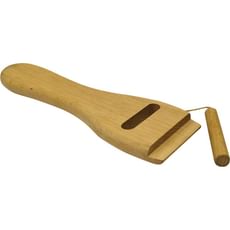
Web stretchers are essential hand tools used in upholstery work to achieve professional, taut webbing installations. These specialised tensioning tools allow upholsterers to stretch jute, elastic, or synthetic webbing across furniture frames before securing it in place, ensuring a firm foundation for padding and fabric. Typically crafted from hardwood such as beechwood, web stretchers feature a rebated edge for frame location and a slot-and-peg mechanism that grips the webbing securely whilst the user applies controlled tension.
The traditional design of web stretchers has remained largely unchanged for decades, testament to their effectiveness and simplicity. The tool works by looping the webbing through a slot and holding it with a dowel peg, creating a firm grip that won't slip during the tensioning process. The rebated edge acts as a fulcrum against the furniture frame, allowing the upholsterer to leverage their body weight to achieve the precise tension required for quality upholstery work. Most web stretchers accommodate webbing up to 50mm wide, making them suitable for both traditional and modern upholstery applications.
Whether you're restoring antique furniture, reupholstering dining chairs, or building bespoke seating from scratch, a quality web stretcher is an indispensable addition to your upholstery toolkit. Tooled-Up.com stocks web stretchers from trusted manufacturers like Faithfull, ensuring professional tradespeople and dedicated DIY enthusiasts have access to reliable tools that deliver consistent results across countless projects.
Jargon Buster
- Webbing: Strong woven material (traditionally jute, now also synthetic) stretched across furniture frames to provide a supportive base for upholstery padding and springs.
- Rebated Edge: A stepped or recessed edge on the web stretcher that sits flush against the furniture frame, providing a stable pivot point for leverage during tensioning.
- Slot and Peg Mechanism: The webbing holding system featuring a slot through which webbing is threaded and a wooden dowel peg that locks the webbing in place to prevent slippage during stretching.
- Tensioning: The process of pulling webbing taut across a frame to eliminate slack and create a firm, supportive foundation for subsequent upholstery layers.
- Beechwood: A dense, durable hardwood commonly used for web stretchers due to its strength, smooth finish, and resistance to splitting under repetitive stress.
Who Uses Web Stretchers?
- Professional Upholsterers: Furniture restoration specialists and bespoke upholstery craftspeople who rely on web stretchers for daily production work
- Furniture Restorers: Antiques dealers and restoration experts who return period furniture to original condition
- Theatre and Film Props Makers: Set designers and prop departments creating or refurbishing furniture for productions
- Interior Designers: Design professionals overseeing custom furniture fabrication projects
- Carpentry and Joinery Professionals: Tradespeople who integrate upholstery work into bespoke furniture making
- DIY Enthusiasts: Home improvers tackling furniture restoration and upholstery projects
- Soft Furnishings Businesses: Companies specialising in curtains, cushions, and upholstered accessories
- Furniture Manufacturers: Factory workers and craftspeople in furniture production facilities
How to Choose the Right Web Stretchers
When selecting a web stretcher, the material quality is paramount. Look for tools crafted from solid hardwood such as beechwood, which offers the durability and strength needed to withstand repeated tensioning forces without splitting or warping. Cheaper softwood alternatives may seem economical initially but often fail prematurely under the stresses of professional use.
Consider the webbing width capacity before purchasing. Standard web stretchers typically accommodate webbing up to 50mm wide, which suits most traditional upholstery applications. If you regularly work with wider or narrower webbing, verify the slot dimensions are appropriate for your specific needs. The slot should hold webbing securely without excessive play that could lead to slippage during tensioning.
Examine the rebated edge carefully. This feature should be cleanly cut and properly dimensioned to sit firmly against furniture frames of varying thicknesses. A well-designed rebate provides stable leverage without damaging frame edges. Check that the peg or dowel mechanism operates smoothly and grips webbing effectively – a loose or poorly fitted peg will compromise tensioning control.
For professional upholsterers working on multiple projects daily, investing in a quality tool from established brands available at Tooled-Up ensures longevity and consistent performance. The modest cost of a premium web stretcher is quickly offset by its reliability and extended working life compared to budget alternatives.
Popular Accessories
- Upholstery Webbing: Jute, elastic, or synthetic webbing in various widths for different furniture applications
- Upholstery Tacks: Traditional fixing method for securing webbing to wooden frames
- Tack Hammers: Lightweight magnetic hammers designed specifically for driving upholstery tacks
- Webbing Pliers: Alternative tensioning tool for smaller projects or confined spaces
- Staple Guns: Modern pneumatic or manual staplers for quick webbing attachment
- Upholstery Shears: Heavy-duty scissors for cutting webbing cleanly without fraying
- Ripping Chisels: Specialist tools for removing old tacks and webbing during restoration
- Upholstery Foam: Padding materials that sit atop webbing foundations
- Hessian and Scrim: Intermediate covering materials used in traditional upholstery layering
Frequently Asked Questions
Can I stretch upholstery webbing without a web stretcher?
Whilst it's technically possible to tension webbing using makeshift methods, a proper web stretcher provides the leverage and control necessary for achieving professional results. Without this tool, you're unlikely to attain sufficient tension consistently, leading to saggy upholstery that deteriorates prematurely. For quality work, a web stretcher is essential rather than optional.
How tight should webbing be when using a web stretcher?
Webbing should be stretched firmly taut but not excessively so. Over-tensioning can distort furniture frames or cause webbing to snap, whilst insufficient tension results in sagging upholstery. With practice, you'll develop a feel for appropriate tension – the webbing should feel drum-tight when tapped but shouldn't visibly strain the frame or show signs of breaking fibres.
What's the difference between jute and elastic webbing?
Traditional jute webbing is a natural fibre material offering firm, non-stretch support ideal for seats with separate springing. Elastic webbing (also called rubber webbing) contains woven elastic strands that provide resilient, springy support without requiring separate coil springs. Both types can be installed using web stretchers, though elastic webbing requires different tensioning techniques to avoid over-stretching.
How do I maintain my web stretcher?
Web stretchers require minimal maintenance. Periodically check the dowel peg remains securely fitted and hasn't worked loose. Keep the tool clean and dry, wiping away any dust or fabric debris that accumulates in the slot. Store in a dry environment to prevent wood warping. If the rebated edge becomes damaged or rounded through extensive use, light sanding can restore a crisp edge for proper frame contact.
Are plastic web stretchers as good as wooden ones?
Traditional wooden web stretchers crafted from quality hardwood remain the professional's choice due to their proven durability, comfortable grip, and robust construction. Whilst plastic alternatives exist at lower price points, they generally lack the strength and longevity required for regular professional use, making wooden tools a better long-term investment for serious upholstery work.