

Wedge Anchors
Pay in 3 interest-free payments on purchases from £30-2000 with  . Learn more.
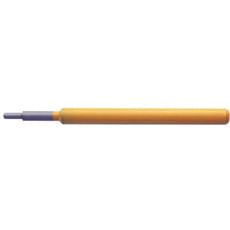
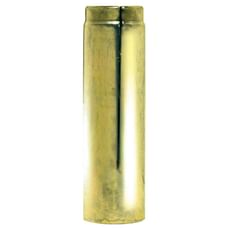
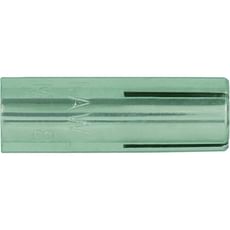
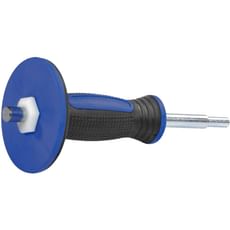
 Loading...
End of content
Error - No more pages to load
About Wedge Anchors
Wedge anchors are essential heavy-duty fixings designed to create secure, permanent fastenings into solid base materials such as concrete, brick, and stone. These internally threaded anchors work on an expansion principle: as a threaded bolt or rod is tightened into the anchor body, an internal wedge mechanism forces the anchor sides outward against the sides of the pre-drilled hole, creating a powerful mechanical grip. This makes wedge anchors particularly suitable for high-load applications where reliability and strength are paramount.
Drop-in wedge anchors represent a popular variant within this category, offering hammer-set installation for quick and efficient fixing. Unlike traditional expansion anchors that require torquing to set, drop-in wedge anchors are installed by simply hammering a setting tool to expand the anchor within the hole. This method proves especially valuable on overhead applications and in situations where access for torque wrenching is limited. Tooled-Up.com stocks wedge anchors from trusted manufacturers like Rawlplug, including both standard steel and A4 stainless steel variants to suit different environmental conditions and corrosion resistance requirements.
The wedge anchor category at Tooled-Up includes dedicated setting tools designed specifically for proper installation. Correct installation technique is critical to achieving the rated load capacity of these fixings, making the appropriate setting tool an essential companion to the anchors themselves. Whether fixing heavy machinery, structural steelwork, or building services installations, wedge anchors provide the robust, vibration-resistant fastenings that professional tradespeople depend upon.
Jargon Buster
- Drop-In Anchor
- A type of wedge anchor that is set by hammering rather than torquing. The anchor drops into a pre-drilled hole and is expanded using a dedicated setting tool, making installation faster and suitable for overhead applications.
- A4 Stainless Steel
- A marine-grade stainless steel (also known as 316 grade) offering superior corrosion resistance compared to standard stainless steel. Essential for coastal environments, chemical plants, and outdoor applications exposed to harsh conditions.
- Base Material
- The substrate into which the anchor is being installed, typically concrete, brick, or stone. The strength and condition of the base material directly affects the holding capacity of the anchor.
- Embedment Depth
- The minimum depth the anchor must be installed into the base material to achieve its rated load capacity. This is a critical measurement that must be adhered to for safe installation.
- Setting Tool
- A specialised tool used to properly install drop-in wedge anchors by striking it with a hammer to expand the anchor mechanism within the drilled hole.
- Load Capacity
- The maximum force (tensile or shear) that an anchor can safely support when correctly installed. This varies depending on anchor size, base material strength, and embedment depth.
Who Uses Wedge Anchors?
- Structural Engineers - specifying and installing fixings for structural steelwork and building frameworks
- Mechanical & Electrical Contractors - securing heavy plant, machinery, electrical panels, and distribution boards
- Facilities Maintenance Teams - installing and maintaining building services, racking systems, and equipment anchorages
- Shop Fitters - fixing heavy retail fixtures, shelving systems, and display units to concrete floors and walls
- HVAC Engineers - mounting ventilation systems, air conditioning units, and ductwork supports
- Fire Protection Installers - securing sprinkler systems, pipelines, and fire safety equipment to structural elements
- Steel Erectors - fixing base plates and structural connections to concrete foundations
- Construction Site Workers - installing temporary and permanent fixings for site equipment and safety systems
- Warehouse & Logistics Managers - anchoring pallet racking, conveyor systems, and materials handling equipment
How to Choose the Right Wedge Anchors
Material Selection: Choose between standard steel and stainless steel based on environmental conditions. For outdoor applications, marine environments, or areas exposed to chemicals and moisture, A4 stainless steel anchors provide essential corrosion resistance. Internal, dry applications may be suitable for standard steel variants which offer excellent value.
Load Requirements: Calculate the actual loads (both tensile and shear) that the fixing must support, including safety factors. Consult manufacturer load tables to select an anchor size and embedment depth that exceeds your requirements. Remember that loads must account for dynamic forces, vibration, and potential impact.
Base Material Assessment: Verify that your concrete or masonry substrate meets the minimum strength requirements specified by the anchor manufacturer. Weak, cracked, or deteriorated base materials will significantly reduce holding capacity. Check for reinforcement bar positions to avoid drilling conflicts.
Installation Method: Consider whether drop-in hammer-set anchors or torque-set wedge anchors are more appropriate for your application. Drop-in types excel in overhead work and confined spaces, while torque-set anchors may be preferred for applications requiring precise tension control.
Hole Size & Depth: Ensure you have the correct sized drill bits (typically SDS or core drill bits) for creating holes to the specified diameter and depth. The relationship between hole tolerance and anchor performance is critical—oversized holes drastically reduce holding capacity.
Compliance & Certification: For structural applications and projects requiring building control approval, verify that chosen anchors carry appropriate CE marking and conform to BS EN standards. Documentation of load ratings and installation procedures may be required.
Popular Accessories
- Wedge Anchor Setting Tools - dedicated tools for proper installation of drop-in anchors
- SDS Plus & SDS Max Drill Bits - carbide-tipped masonry bits in the correct diameters for anchor installation
- Rotary Hammer Drills - heavy-duty 240v or cordless drills capable of drilling to required depths in concrete
- Blow Pumps & Cleaning Brushes - for removing dust and debris from drilled holes before anchor installation
- Torque Wrenches - for achieving specified tightening torques on bolted connections
- Spirit Levels & Laser Levels - ensuring accurate positioning of fixings
- Marking Out Tools - chalk lines, markers, and measuring tapes for precise hole positioning
- Safety Goggles & Dust Masks - essential PPE for drilling operations in masonry
Safety Information
Installation of wedge anchors involves potential hazards that must be properly managed. Always wear appropriate personal protective equipment including safety goggles, dust masks (at least FFP2 rated), hearing protection, and sturdy work gloves. Drilling into concrete and masonry generates harmful respirable crystalline silica dust—use dust extraction equipment where possible and ensure adequate ventilation.
Before drilling, always check for hidden services including electrical cables, water pipes, and gas lines. Use a cable and pipe detector, and consult building drawings where available. Be aware of reinforcement bar locations in concrete structures, as striking rebar can damage drill bits and compromise the anchor installation.
Follow HSE guidance on work at height when installing overhead fixings. Ensure proper access equipment is used and that falling anchor components cannot injure personnel below. Never exceed the rated load capacity of installed anchors, and regularly inspect fixings in critical applications for signs of loosening, corrosion, or base material degradation.
Only use anchors that have been correctly stored and are within any specified shelf life. Damaged anchors or those with corroded threads should not be installed. Always use the manufacturer's recommended installation procedure and setting tools to ensure rated performance is achieved.
Frequently Asked Questions
What's the difference between drop-in wedge anchors and standard expansion anchors?
Drop-in wedge anchors are set by hammering a setting tool to expand the anchor, whilst standard expansion anchors require torquing a bolt to achieve expansion. Drop-in types are faster to install and work better in overhead applications, but both provide excellent holding capacity when correctly installed in suitable base materials.
Can wedge anchors be removed and reused?
Wedge anchors are designed as permanent fixings and should not be reused. Once the expansion mechanism has been activated, removing the anchor typically damages both the anchor and the base material. For temporary applications requiring future removal, consider alternative fixing systems designed for removability.
What drill bit size do I need for wedge anchors?
The required drill bit diameter is specified by the anchor manufacturer and must be followed precisely. Typically, the hole diameter is slightly larger than the anchor body to allow for expansion. Using an oversized bit will drastically reduce holding capacity, whilst undersized holes prevent proper installation. Always refer to the technical data sheet for your specific anchor.
How deep should I drill for wedge anchor installation?
Drill depth must exceed the anchor's embedment depth to allow space for dust and debris at the bottom of the hole. A general rule is to drill approximately 5-10mm deeper than the stated embedment depth. Clean the hole thoroughly before installation, as dust accumulation prevents the anchor from reaching proper depth and reduces holding capacity.
Are stainless steel wedge anchors necessary for outdoor use?
For most outdoor applications, particularly in the UK's damp climate, stainless steel anchors are highly recommended to prevent corrosion. A4 (316 grade) stainless steel offers superior corrosion resistance for marine environments, coastal locations, and areas exposed to de-icing salts or chemicals. For sheltered outdoor locations, A2 (304 grade) stainless steel may be adequate, but standard steel anchors will corrode in exposed conditions.