

Welders Chipping Hammers

Pay in 3 interest-free payments on purchases from £20-£3000 with  . Learn more.

 Loading...
End of content
Error - No more pages to load
About Welders Chipping Hammers
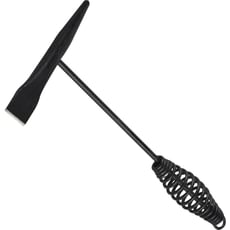
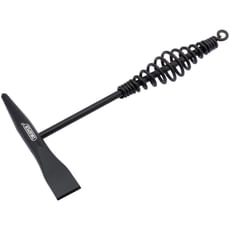
A welders chipping hammer is an essential hand tool designed specifically for cleaning and dressing welds by removing slag, spatter, and oxidation after welding operations. These specialised hammers feature a hardened and tempered steel head with a distinctive pointed chisel end and a flat edge, allowing welders to chip away unwanted material efficiently and accurately. The spring-loaded handle absorbs impact shock, reducing user fatigue during extended use whilst providing excellent control for precision work.
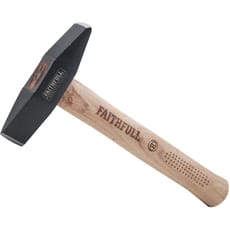
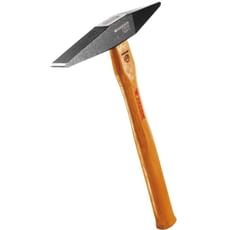
Tooled-Up.com stocks welders chipping hammers from trusted manufacturers including Draper, Facom, Faithfull, and Sealey, each offering robust construction suitable for professional workshop environments and demanding site work. These tools typically feature either steel spring handles or high-quality hickory wooden handles, both designed to provide superior shock absorption and comfortable grip during repetitive chipping operations. The hardened steel heads are built to withstand thousands of impacts without deforming, making them a long-lasting investment for any welding professional.
Beyond basic weld cleaning, chipping hammers serve multiple purposes in metalworking applications including boiler scaling, rust removal, and general metal preparation tasks. The dual-ended head design provides versatility, with the pointed end ideal for concentrated force in tight corners and the flat edge perfect for broader surface work. Whether you're working with MIG, TIG, or arc welding processes, a quality chipping hammer is indispensable for achieving clean, professional welds ready for inspection or further finishing.
Jargon Buster
- Slag: The glassy, crystalline residue that forms on top of a weld bead during the welding process. It protects the molten metal from atmospheric contamination but must be removed before subsequent weld passes or finishing.
- Hardened and Tempered Head: A heat treatment process that increases the steel's hardness and durability whilst maintaining toughness. This ensures the hammer head resists mushrooming, chipping, or deforming during use.
- Chipping or Dressing: The process of removing slag, spatter, and oxidation from completed welds to reveal the clean metal underneath and prepare the surface for inspection, painting, or additional welding.
- Spring Handle: A handle constructed with coiled steel springs that absorb impact shock and vibration, reducing hand fatigue and improving user comfort during extended chipping operations.
- Spatter: Small droplets of molten metal that are expelled during welding and adhere to surfaces surrounding the weld. These must be removed for both aesthetic and functional reasons.
- Boiler Scaling: The removal of scale, rust, and oxidation from boiler surfaces and other heavy metalwork, a secondary application for welders chipping hammers beyond weld cleaning.
Who Uses Welders Chipping Hammers?
Welders chipping hammers are essential tools for a diverse range of professionals and trades:
- Welders and Fabricators: Professional welders in manufacturing, construction, and custom fabrication shops who require clean welds for quality assurance and multi-pass welding.
- Maintenance Engineers: Industrial maintenance personnel who perform repair welding and metalwork as part of equipment servicing and plant maintenance.
- Automotive and Agricultural Technicians: Mechanics and fitters who carry out welding repairs on vehicles, machinery, and agricultural equipment.
- Steel Erectors and Structural Welders: Construction tradespeople working on site with structural steel, requiring portable tools for immediate weld cleaning.
- Boilermakers: Specialists working with pressure vessels, boilers, and heavy industrial equipment where precise weld quality is critical.
- Pipefitters and Pipewelders: Professionals welding pipework who need to clean welds between passes and before inspection.
- DIY Enthusiasts: Home workshop users and hobbyist welders undertaking restoration projects, garden metalwork, or general fabrication tasks.
How to Choose the Right Welders Chipping Hammers
Handle Material and Design: Consider whether a spring steel handle or hickory wooden handle suits your preference. Spring handles offer excellent shock absorption and are virtually indestructible, whilst wooden handles provide a traditional feel and are easily replaceable. The range at Tooled-Up includes both types to suit different working styles.
Head Construction: Ensure the hammer head is manufactured from hardened and tempered steel to withstand repeated impacts without damage. Quality tools feature heads that are properly heat-treated and won't mushroom or chip during normal use, providing years of reliable service.
Weight and Balance: Select a hammer with comfortable weight distribution that won't cause excessive fatigue. Most welders chipping hammers are designed for one-handed operation, so proper balance is essential for control and accuracy during detailed work.
Head Configuration: The standard design features a pointed chisel end and a flat edge. Consider the angles and lengths of these working surfaces based on your typical welding applications – tighter angles work better in confined spaces whilst broader edges cover more surface area quickly.
Handle Length: Standard chipping hammers typically feature handles between 250mm and 350mm long. Longer handles provide more striking force but may be unwieldy in tight spaces, whilst shorter handles offer better control for precision work.
Brand Reputation: Tooled-Up.com stocks established brands like Facom, Draper, Faithfull, and Sealey, all known for producing reliable metalworking tools with consistent quality control and durability.
Popular Accessories
- Wire Brushes: Essential companions for removing fine slag residue and cleaning welds after initial chipping, available in hand-held and power tool versions.
- Welding Safety Goggles: Protect eyes from flying slag particles and metal fragments during chipping operations – always wear appropriate eye protection.
- Welding Gloves: Heavy-duty leather welding gloves protect hands from sharp slag, hot metal, and impact during hammer use.
- Bench Vices: Secure workpieces whilst chipping and cleaning welds for safer, more effective work.
- Angle Grinders: For heavier material removal and surface preparation after initial slag removal with the chipping hammer.
- Tool Bags and Belts: Keep your chipping hammer accessible on site with proper storage solutions designed for metalworking tools.
- Replacement Handles: For wooden-handled models, spare hickory handles ensure your tool remains serviceable even after years of heavy use.
Safety Information
Personal Protective Equipment: Always wear appropriate safety goggles or a full face shield when using a welders chipping hammer, as flying slag and metal particles pose serious eye injury risks. HSE guidance recommends impact-resistant eye protection meeting BS EN 166 standards for all metalworking operations.
Hand Protection: Use suitable welding or work gloves to protect against sharp slag edges, hot metal surfaces, and impact injuries. Ensure gloves don't compromise your grip on the hammer handle.
Work Area Safety: Ensure adequate ventilation when chipping recently completed welds, as disturbed slag may contain harmful metal particles and welding by-products. Keep your work area clear of flammable materials, as hot slag can travel several metres from the work surface.
Tool Inspection: Regularly inspect your chipping hammer for loose handles, damaged heads, or mushroomed striking surfaces. Replace or repair damaged tools immediately – never use a hammer with a loose or cracked handle as this creates a significant safety hazard.
Age Restrictions: Welders chipping hammers are not toys and should not be sold to or used by persons under 18 years of age without proper supervision and training in accordance with HSE guidelines for young workers.
Frequently Asked Questions
What's the difference between spring handle and wooden handle chipping hammers?
Spring steel handles offer superior shock absorption through their coiled construction, are virtually indestructible, and require no maintenance. Wooden hickory handles provide a traditional feel, are lighter weight, and can be easily replaced when worn. Both types perform excellently – the choice comes down to personal preference and working conditions.
How do I maintain my welders chipping hammer?
Keep the head clean and free from excessive slag build-up by occasionally wire brushing the striking surfaces. For spring handles, no maintenance is required. Wooden handles benefit from occasional light oiling to prevent drying and cracking. Store in a dry location and inspect before each use for any damage or looseness.
Can I use a normal hammer instead of a chipping hammer?
Standard hammers lack the specialised pointed and flat edges required for effective slag removal and aren't designed for the specific striking angles used in weld cleaning. Using inappropriate tools can damage welds, create safety hazards, and proves far less efficient than using the correct equipment.
Why does slag need to be removed from welds?
Slag must be removed to allow visual inspection of weld quality, to enable proper penetration of subsequent weld passes in multi-pass welding, and to ensure sound adhesion of protective coatings or paint. Trapped slag can also lead to weld defects including porosity and reduced strength.
Are welders chipping hammers suitable for all welding processes?
Chipping hammers are primarily used with processes that produce slag, including MMA (stick welding), flux-cored arc welding, and submerged arc welding. TIG and MIG welding with solid wire produce minimal slag, though chipping hammers remain useful for removing spatter from these processes.