

Welding Aprons

Pay in 3 interest-free payments on purchases from £20-£3000 with  . Learn more.
 Loading...
End of content
Error - No more pages to load
About Welding Aprons
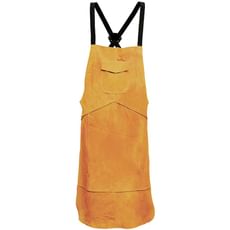
Welding aprons are essential personal protective equipment designed to shield the torso and upper legs from the hazards associated with welding operations. Constructed from heat-resistant materials such as split cowhide leather or flame-retardant fabrics, these aprons provide a critical barrier against molten metal splatter, sparks, slag, and radiant heat. Professional welding aprons typically feature reinforced stitching using high-temperature thread materials like Para-aramid (Kevlar) to ensure durability in the harshest working conditions. They come with adjustable neck and waist straps to accommodate different body sizes and ensure secure, comfortable positioning during extended welding sessions.
Modern welding aprons are classified according to EN ISO 11611 standards, which define protective clothing for use in welding and allied processes. The classification system ranges from Class 1 (protection against less hazardous welding techniques and situations) to Class 2 (protection against more hazardous welding techniques and situations). Quality welding aprons at Tooled-Up.com incorporate practical features such as chest pockets with secure closures for storing measuring tools or consumables, quick-release buckles for emergency removal, and ergonomic designs that allow freedom of movement whilst maintaining comprehensive protection.
Whilst basic aprons offer frontal protection, some welding aprons extend coverage to the upper chest area and may include split legs for improved mobility when working in confined spaces or kneeling positions. The choice between different styles depends on the specific welding processes being undertaken, whether MIG, TIG, stick welding, or other allied metalworking activities that generate similar hazards.
Jargon Buster
- Split Cowhide Leather: The fibrous lower layer of cowhide that has been separated from the top grain. It offers excellent heat resistance, durability, and value, making it ideal for welding protection whilst being more economical than full-grain leather.
- Para-aramid Stitching: Thread made from synthetic fibres (such as Kevlar) with exceptional heat resistance and tensile strength. This stitching won't melt or weaken when exposed to welding sparks and high temperatures, preventing seam failure.
- Class 1/Class 2 Protection (EN ISO 11611): European safety classification for welding protective clothing. Class 1 suits less hazardous welding with limited spatter, whilst Class 2 provides protection against heavier welding work with higher levels of spatter and radiant heat.
- Quick-Release Buckle: A safety fastening mechanism that allows rapid removal of the apron in emergency situations, such as if hot material becomes lodged in the garment.
- Slag: The solidified waste material produced during welding processes that can splatter onto clothing and skin, causing burns. Welding aprons are specifically designed to resist slag adhesion.
- Radiant Heat: Heat energy transmitted through infrared radiation from the welding arc or heated metal. Quality welding aprons provide insulation against this form of heat transfer.
Who Uses Welding Aprons?
- Professional welders and fabricators in manufacturing and engineering facilities
- Construction site welders working on structural steelwork
- Automotive body repair technicians and vehicle fabricators
- Agricultural engineers repairing and fabricating farm machinery
- Pipeline welders in oil, gas, and utilities sectors
- Shipyard workers involved in marine fabrication and repair
- Maintenance engineers performing on-site welding repairs
- Metal artists and sculptors working with welded components
- Engineering students and trainees learning welding techniques
- DIY enthusiasts with home workshops undertaking metalwork projects
- Blacksmiths and ornamental metalworkers
How to Choose the Right Welding Aprons
Protection Classification: Determine whether you need Class 1 or Class 2 protection based on your welding processes. Light MIG work on thin materials may only require Class 1, whilst heavy stick welding or work with thicker materials generating substantial spatter demands Class 2 protection. Check the EN ISO 11611 rating before purchasing.
Material Selection: Split cowhide leather remains the gold standard for welding aprons, offering excellent heat resistance, durability, and spark protection. The selection at Tooled-Up includes leather options that provide superior protection and longevity compared to synthetic alternatives, particularly for high-temperature applications.
Coverage Area: Consider the length and width of coverage required. Standard aprons protect the torso and upper legs, typically measuring around 60-100cm in length. For work involving overhead welding or positions where sparks may fall onto your lap, opt for longer designs with greater leg coverage. Some aprons feature split legs for improved mobility.
Adjustability and Fit: Look for aprons with adjustable neck and waist straps to ensure proper positioning and comfort during extended wear. Quick-release buckles are a valuable safety feature, allowing rapid removal if hot material becomes trapped. The apron should fit snugly without restricting movement or breathing.
Practical Features: Chest pockets with secure closures are useful for storing soapstone markers, measuring tapes, or wire brushes. Reinforced stress points and Para-aramid stitching extend the garment's lifespan in demanding environments. Consider whether additional features like tool loops or reinforced lower sections suit your specific requirements.
Compliance and Certification: Ensure any welding apron meets UK and European safety standards, including appropriate CE marking and EN ISO 11611 certification. The HSE recommends using properly certified PPE for all welding operations to minimise burn injuries and long-term health risks.
Popular Accessories
- Welding gauntlets and heat-resistant gloves for hand protection
- Welding helmets with auto-darkening filters
- Leather sleeves and arm protectors for additional upper limb coverage
- Fire-resistant trousers and jackets for complete body protection
- Safety boots with metatarsal guards and heat-resistant soles
- Welding screens and curtains for workshop area protection
- Respiratory protection equipment for fume extraction
- Leather spats and leggings for lower leg protection
- Fire blankets and extinguishers for workshop safety
- Kevlar-reinforced workwear for underneath the apron
Safety Information
Welding aprons form part of a comprehensive PPE system and should never be relied upon as sole protection. Always wear appropriate eye protection (welding helmet or goggles), respiratory protection where fume exposure occurs, and heat-resistant gloves. The HSE guidance on welding safety emphasises the importance of properly maintained protective equipment – regularly inspect your apron for holes, worn stitching, or damaged areas that compromise protection.
Never wear synthetic clothing underneath welding aprons, as materials like polyester, nylon, or acrylic can melt when exposed to sparks, causing severe burns. Cotton or flame-resistant fabrics are recommended. Ensure the apron overlaps with other protective garments to eliminate gaps where sparks could penetrate. Remove the apron before entering areas with potential ignition sources, as leather can retain hot particles.
Store welding aprons in a cool, dry location away from oils, chemicals, and direct sunlight, which can degrade leather over time. Never attempt to wash leather aprons in water – instead, brush off debris and wipe with a slightly damp cloth when necessary. Replace any apron showing significant wear, burn-through, or compromised stitching, as its protective capabilities will be reduced.
Frequently Asked Questions
What's the difference between Class 1 and Class 2 welding aprons?
Class 1 aprons provide protection against less hazardous welding techniques with lower levels of spatter and radiant heat, suitable for lighter MIG or TIG work. Class 2 aprons offer enhanced protection for more hazardous welding situations involving heavy spatter, higher radiant heat, and processes like stick welding or heavy fabrication work. If you regularly undertake various welding processes, Class 2 provides more comprehensive protection.
How long should a quality welding apron last?
A well-maintained split cowhide leather apron from reputable brands like Portwest should provide several years of service in professional environments, depending on usage intensity. Daily professional use in heavy fabrication might see 1-2 years of life, whilst occasional DIY use could extend this to 5+ years. Regular inspection and proper storage significantly impact longevity. Replace the apron when you notice burn-through holes, severely degraded leather, or failing stitching.
Can I use a welding apron for other hot work activities?
Yes, welding aprons certified to EN ISO 11611 are suitable for various hot work applications including grinding, plasma cutting, oxy-fuel cutting, brazing, and general metalwork where spark and heat protection is required. The same protective properties that shield against welding hazards apply to these allied processes. However, ensure the apron's protection level matches the specific hazards of your task.
Do I need to wear additional protection with a welding apron?
Absolutely. A welding apron protects only your torso and upper legs. You must also wear a welding helmet or face shield, heat-resistant gloves, safety boots, and flame-resistant clothing on your arms and lower legs. For overhead welding, consider leather sleeves and a welding jacket. Respiratory protection may be necessary depending on the materials being welded and ventilation conditions. The HSE requires comprehensive PPE coverage for all welding activities.
How should I clean and maintain my leather welding apron?
Never immerse leather welding aprons in water or machine wash them. After each use, brush off loose debris, slag, and metal particles with a stiff brush. For stubborn dirt, wipe gently with a slightly damp cloth and allow to air dry naturally – never use direct heat sources. Periodically inspect stitching, straps, and buckles for wear. Store hanging in a cool, dry location away from chemicals, oils, and direct sunlight, which can cause leather to deteriorate. Conditioning treatments are generally unnecessary for welding aprons and may affect their protective properties.