

Welding Goggles
Pay in 3 interest-free payments on purchases from £30-2000 with  . Learn more.
 Loading...
End of content
Error - No more pages to load
About Welding Goggles
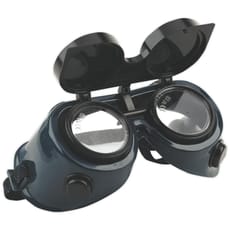
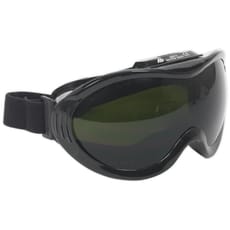
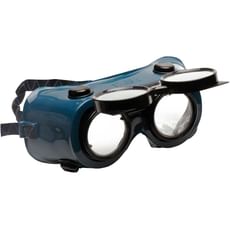
Welding goggles are essential personal protective equipment designed specifically to shield the eyes from the intense light, harmful UV radiation, sparks, and debris produced during gas welding and cutting operations. Unlike full welding helmets, these compact goggles provide targeted eye protection whilst allowing greater peripheral vision and ventilation, making them particularly suited to oxyacetylene welding, gas cutting, and lighter fabrication work. The collection at Tooled-Up.com includes models from trusted PPE manufacturers like Portwest and Sealey, offering various shade factors and comfort features to suit different welding applications.
Modern welding goggles typically feature tinted lenses with specific shade ratings (usually shade 5 for gas welding), providing the necessary protection against infrared and ultraviolet radiation whilst allowing sufficient visibility of the weld pool and workpiece. Many designs incorporate flip-up lens mechanisms, enabling welders to quickly inspect their work or perform grinding operations without removing the goggles entirely. The flexible PVC frames and adjustable headbands ensure a comfortable, secure fit during extended periods of use on site or in the workshop.
Quality welding goggles must meet strict British and European safety standards, including BS EN 166 and BS EN 169, ensuring they provide adequate protection for professional tradespeople and serious DIY enthusiasts alike. Features such as indirect ventilation help prevent fogging whilst protecting against molten metal splash, anti-scratch coatings extend lens life, and 99% UV protection guards against long-term eye damage from prolonged exposure to welding arc radiation.
Jargon Buster
- Shade Factor: A numerical rating (typically 1.2 to 16) indicating how much visible light the lens filters out. Gas welding goggles usually have shade 5, whilst arc welding requires much darker shades (10-14). The correct shade factor prevents eye strain and protects against arc eye (welder's flash).
- Flip-Up Lens: A hinged design allowing the protective lens to be lifted away from the eyes without removing the goggles, useful for inspecting work, taking measurements, or switching between welding and grinding operations quickly.
- Indirect Ventilation: Vents designed with baffles or angles that allow air circulation to prevent fogging whilst preventing direct entry of sparks, molten metal, or harmful particles into the goggle interior.
- BS EN 166/169: British and European safety standards specifying requirements for personal eye protection. EN 166 covers general eye protection, whilst EN 169 specifically addresses filters for welding and related processes.
- Anti-Scratch Coating: A protective surface treatment applied to lens materials that increases resistance to abrasion from sparks, grinding dust, and general workshop wear, extending the usable life of the goggles.
- UV Protection: The lens's ability to block ultraviolet radiation produced during welding, which can cause serious eye conditions including arc eye, cataracts, and permanent vision damage if adequate protection isn't worn.
Who Uses Welding Goggles?
- Welders and Fabricators: Professionals performing oxyacetylene welding, gas cutting, brazing, and lighter welding tasks where full helmet protection isn't necessary
- Plumbers and Heating Engineers: Tradespeople using gas torches for pipe joining, brazing copper fittings, and lead work
- Motor Vehicle Technicians: Mechanics carrying out welding repairs, exhaust work, and bodywork fabrication
- Maintenance Engineers: Site maintenance staff performing occasional welding and cutting operations as part of facility upkeep
- Sheet Metal Workers: Fabricators working with thin materials where gas welding provides precise heat control
- Agricultural Engineers: Farm workers and agricultural mechanics repairing machinery and equipment with portable gas welding kits
- Blacksmiths and Metalworkers: Craftspeople using gas forges and welding equipment for decorative and functional metalwork
- DIY Enthusiasts: Home workshop users undertaking vehicle restoration, garden equipment repairs, and metal fabrication projects
How to Choose the Right Welding Goggles
Shade Factor: Select the appropriate shade for your welding process. Shade 5 is standard for gas welding and cutting, providing sufficient protection against the relatively less intense light compared to arc welding. Using insufficient shade can cause painful arc eye, whilst excessive shade makes the work unnecessarily difficult to see.
Lens Features: Consider flip-up lens designs if you frequently switch between welding and inspection or grinding work. This convenience feature eliminates the need to repeatedly remove and replace goggles, improving productivity and ensuring protection is maintained throughout the task. Anti-scratch coatings are essential for longevity in dusty workshop environments.
Comfort and Fit: Look for flexible PVC frames that conform to different face shapes and adjustable elastic headbands for a secure, comfortable fit. Poorly fitting goggles create gaps that allow harmful light and particles to reach the eyes, compromising safety. Indirect ventilation systems prevent fogging during intensive work whilst maintaining protection against sparks.
Compliance and Certification: Ensure goggles meet BS EN 166 and BS EN 169 standards, which are legal requirements for commercial use in the UK and demonstrate that the product has undergone rigorous safety testing. Tooled-Up stocks only certified PPE from reputable manufacturers, ensuring compliance with HSE workplace safety regulations.
Durability: Professional-grade goggles with reinforced frames and quality lens materials withstand the harsh conditions of daily workshop use. Consider replacement lens availability for models you use frequently, as this can significantly reduce long-term costs compared to disposing of entire units.
Popular Accessories
- Replacement Lenses: Spare clear and tinted lenses for models with interchangeable lens systems
- Welding Helmets: Full-face protection for arc welding and more intensive welding operations
- Face Shields: Additional facial protection against sparks and grinding debris
- Welding Gloves: Heat-resistant gauntlets protecting hands and forearms from burns and sparks
- Welding Aprons: Leather or flame-resistant protective clothing shielding the torso from molten metal
- Safety Goggles Storage Cases: Hard cases protecting goggles from damage during transport and storage
- Lens Cleaning Solutions: Specialist cleaners removing welding residue without damaging protective coatings
- Welding Screens: Portable barriers protecting nearby workers from welding flash and UV radiation
Safety Information
Welding goggles must always be worn during gas welding, cutting, brazing, and similar operations, as even brief exposure to welding light can cause painful arc eye (photokeratitis), whilst prolonged unprotected exposure leads to permanent eye damage including cataracts. Ensure goggles meet current BS EN standards and replace lenses that become scratched, pitted, or discoloured, as damaged lenses provide inadequate protection and impair visibility, increasing accident risk.
Never use welding goggles for arc welding operations, as their shade factor (typically 5) is insufficient for the intense light produced by electric arc processes, which require shade 10-14 protection. Inspect goggles before each use for cracks in lenses or frames, damaged headbands, and blocked ventilation, replacing damaged equipment immediately. Store goggles in protective cases away from grinding dust and chemicals that may degrade materials.
Employers must provide appropriate eye protection under the Personal Protective Equipment at Work Regulations 1992 and HSE guidance, ensuring goggles are suitable for the specific welding tasks being performed. Workers should receive training in proper goggle selection, use, and maintenance as part of comprehensive health and safety procedures. Remember that welding goggles protect only the eyes; combine them with appropriate respiratory protection, gloves, and protective clothing for complete safety during welding operations.
Frequently Asked Questions
Can I use welding goggles for arc welding?
No, standard gas welding goggles with shade 5 lenses do not provide adequate protection for arc welding processes like MIG, TIG, or stick welding. Arc welding produces significantly more intense light and UV radiation, requiring shade 10-14 protection typically provided by auto-darkening helmets or passive welding helmets. Using insufficient protection for arc welding will cause painful arc eye and potential long-term vision damage.
How do I prevent my welding goggles from fogging up?
Choose goggles with indirect ventilation systems that allow air circulation whilst protecting against sparks. Ensure the goggles fit properly without being too tight, as this restricts airflow. Anti-fog treatments and cleaning lenses regularly to remove oils and residue also help. Some welders prefer models with larger ventilation ports for particularly hot or humid working conditions, though these must still maintain adequate spark protection.
How often should I replace welding goggle lenses?
Replace lenses whenever they become scratched, pitted, cracked, or discoloured, as damage compromises both protection and visibility. With anti-scratch coatings and proper care, quality lenses can last several months to over a year depending on usage intensity. However, lenses exposed to heavy spatter or frequently used in grinding operations may require more frequent replacement. Always inspect lenses before use and replace them at the first sign of significant damage.
What's the difference between welding goggles and safety glasses?
Welding goggles provide complete eye socket coverage with specialised tinted lenses rated for welding light and UV protection, plus side shields and indirect ventilation protecting against sparks and debris. Standard safety glasses offer only basic impact protection with clear lenses and are completely inadequate for welding operations. Never substitute regular safety glasses for proper welding goggles, as they provide no protection against harmful UV radiation or intense visible light.
Are flip-up welding goggles as safe as fixed lens models?
Yes, flip-up designs meeting BS EN standards provide equivalent protection when the lens is in the down position. The flip-up mechanism simply adds convenience for inspection and grinding work. However, ensure the hinge mechanism is robust and holds the lens securely in place during welding. Some professionals prefer fixed lens designs for particularly demanding environments where accidental lens movement could occur, though quality flip-up models from manufacturers like Sealey and Portwest are engineered to prevent this.