

Welding Leg Protection

Pay in 3 interest-free payments on purchases from £20-£3000 with  . Learn more.
 Loading...
End of content
Error - No more pages to load
About Welding Leg Protection
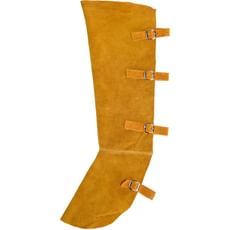
Welding leg protection is essential safety equipment designed to shield the lower legs, ankles, and feet from the intense hazards of welding environments. When arc welding, grinding, or working with molten metal, sparks, spatter, and hot debris frequently cascade downwards, posing serious burn risks to the lower body. Premium quality welding leg protection, typically constructed from durable split cowhide leather or other heat-resistant materials, creates a protective barrier that withstands extreme temperatures whilst allowing tradespeople to work comfortably throughout their shift.
These protective accessories most commonly take the form of leather boot covers, spats, or gaiters that extend from the ankle to below the knee, securing over standard work boots and trousers. Tooled-Up.com stocks welding leg protection certified to Class 1 and Class 2 standards, ensuring compliance with UK and European safety regulations including CE and UKCA marking requirements. The split cowhide leather construction favoured by professional welders offers an excellent combination of heat resistance, durability, and flexibility, standing up to the toughest workshop and construction site environments without restricting movement.
Unlike basic shin guards or general-purpose workwear, dedicated welding leg protection undergoes rigorous testing to meet specific HSE-recognised standards for protection against molten metal splash, radiant heat, and mechanical hazards. The materials are selected specifically for their ability to resist ignition and prevent heat transfer to the skin beneath, making them an indispensable component of comprehensive welding PPE alongside protective aprons, gauntlets, and welding helmets.
Jargon Buster
- Split Cowhide Leather: The fibrous inner layer of cowhide that has been separated from the top grain. Highly durable and heat-resistant, it's the preferred material for welding protection as it resists sparks and molten metal spatter without compromising flexibility.
- Class 1 and Class 2 Welding Protection: European standard classifications (EN ISO 11611) that define protection levels against welding hazards. Class 2 offers higher protection for situations involving more hazardous welding techniques and positions, providing greater resistance to molten metal droplets and radiant heat.
- Boot Covers/Spats: Protective sleeves that fit over standard work boots and the lower leg, secured with straps or elastic fastenings. They shield footwear and lower legs from sparks, spatter, and hot debris without requiring specialist welding boots.
- UKCA Marking: UK Conformity Assessed marking required for PPE sold in Great Britain, demonstrating the product meets UK safety, health, and environmental protection standards. Essential for legitimate welding protection equipment sold to British tradespeople.
- Molten Metal Spatter: Small droplets of liquefied metal ejected during welding processes that can reach temperatures exceeding 1,500°C. These pose severe burn risks to unprotected skin and can ignite standard clothing materials.
- Comfort Fit Design: Ergonomic construction that balances protective coverage with freedom of movement, featuring adjustable fastenings and anatomically-shaped panels that conform to the leg without binding or restricting circulation during extended wear.
Who Uses Welding Leg Protection?
- MIG, TIG, and Arc Welders: Professional welders working across all disciplines require comprehensive lower leg protection during fabrication and joining operations
- Metal Fabricators: Workshop and site-based fabricators cutting, grinding, and assembling steel structures and components
- Pipeline Welders: Specialists working on oil, gas, and water pipeline installation and maintenance, often in confined or awkward positions where spatter control is challenging
- Automotive and Vehicle Body Repair Technicians: Tradespeople performing welding repairs and modifications on vehicle chassis, panels, and exhaust systems
- Structural Steel Erectors: Construction workers joining steel framework on building sites, bridges, and infrastructure projects
- Agricultural and Plant Engineers: Maintenance engineers repairing farm machinery, earth-moving equipment, and industrial plant where on-site welding is required
- Shipbuilders and Marine Engineers: Professionals constructing and maintaining vessels where extensive welding work creates significant spatter hazards
- Maintenance Fitters: General engineering maintenance personnel who perform occasional welding as part of broader repair and maintenance duties
- Rail and Track Maintenance Workers: Technicians welding rail joints and infrastructure components in operational railway environments
- Serious DIY Enthusiasts: Home workshop users undertaking vehicle restoration, metal sculpture, or structural metalwork projects who require proper protection
How to Choose the Right Welding Leg Protection
Protection Class Rating: Determine whether you require Class 1 or Class 2 protection based on your welding processes. Class 2 provides enhanced protection for higher-risk techniques like overhead welding, flux-cored arc welding, or situations with increased spatter volume. Browse the selection at Tooled-Up.com to find appropriate certification levels for your specific applications.
Material Quality: Premium split cowhide leather remains the gold standard for welding leg protection, offering superior heat resistance, durability, and spark deflection compared to synthetic alternatives. Check the material thickness – heavier leather provides better protection but may reduce flexibility, so balance protective capability against comfort for your typical working positions and duration.
Coverage Area: Consider the height and width of protection needed. Full-length boot covers extending to below the knee offer comprehensive shielding for intensive welding, whilst shorter ankle-height spats suit lighter-duty applications or situations where mobility is paramount. Ensure the design overlaps with trouser legs and boot tops to prevent gaps where spatter can enter.
Fastening System: Evaluate how the protection secures to your leg. Adjustable buckle straps provide secure, customisable fitting for different leg sizes and boot styles, whilst elastic or hook-and-loop fastenings allow quicker donning and removal. The fastening should hold the protection firmly in place without restricting blood circulation during extended wear.
Compatibility with Existing PPE: Ensure your chosen leg protection works harmoniously with your current welding boots, trousers, and aprons. Boot covers should accommodate your footwear size comfortably, and the upper edge should integrate smoothly with protective aprons or jackets without creating gaps or uncomfortable bunching.
Comfort Features: Look for anatomically-shaped designs with comfort fit construction that conforms to leg contours without binding. Consider whether you'll be working in hot environments where breathability matters, or cold conditions where insulation is beneficial. Some designs incorporate softer inner linings that improve all-day wearability on long fabrication projects.
Certification and Compliance: Verify that products carry genuine CE and UKCA marking, confirming compliance with UK and European PPE regulations. This certification ensures the protection has undergone independent testing to verify its performance claims and is legally acceptable on UK construction sites and industrial premises where HSE regulations apply.
Popular Accessories
- Welding Aprons and Jackets: Upper body protection that complements leg guards, creating comprehensive coverage against sparks and spatter
- Welding Gauntlets: Extended-cuff leather gloves protecting hands and forearms from heat and molten metal droplets
- Leather Welding Sleeves: Detachable arm protection for situations where full jacket coverage isn't required
- Safety Welding Boots: Heat-resistant footwear with steel toe caps and penetration-resistant midsoles designed specifically for welding environments
- Auto-Darkening Welding Helmets: Face and eye protection with electronic filters that adjust instantly to arc brightness
- Flame-Resistant Trousers: FR-rated workwear that resists ignition and provides base-layer protection beneath boot covers
- Welding Curtains and Screens: Portable barriers that contain sparks and protect nearby workers from arc radiation
- Leather Conditioning Products: Treatments that maintain suppleness and extend the service life of leather protective equipment
- Knee Pads: Additional protection for welders working in kneeling positions on concrete or steel surfaces
- Respirators and Welding Fume Extractors: Equipment protecting against hazardous welding fumes and particulates in poorly-ventilated spaces
Safety Information
Welding leg protection forms a critical component of comprehensive PPE systems required under the Health and Safety at Work Act and Control of Substances Hazardous to Health (COSHH) regulations. Employers must conduct risk assessments for welding operations and provide appropriate protective equipment to prevent burns from molten metal, sparks, and radiant heat exposure that can cause permanent scarring and lost working time.
Always inspect welding leg protection before each use for signs of damage, excessive wear, or charring that compromises protective capability. Split leather that has become hardened, cracked, or has burn-through holes must be replaced immediately, as compromised protection creates dangerous false confidence. Never attempt to repair damaged welding PPE with tape or adhesives – replacement is the only safe option when integrity is compromised.
Ensure leg protection overlaps with other PPE components to eliminate gaps where sparks can penetrate. The tops of boot covers should extend beneath protective aprons or trouser legs, and should completely cover work boots including laces which can catch sparks. Remove all petroleum-based contaminants from leather protection, as these create fire hazards when exposed to welding sparks and high temperatures.
Store welding leg protection in cool, dry conditions away from direct sunlight and sources of ozone such as electric motors, which degrade leather over time. Avoid folding or creasing leather protection when storing, as this weakens the material structure and creates potential failure points. Regular conditioning with appropriate leather treatments maintains suppleness and extends service life whilst preserving protective properties.
Remember that welding leg protection addresses only one aspect of welding hazards. Comprehensive protection requires appropriate eye and face protection, respiratory equipment in enclosed spaces, flame-resistant clothing, and proper ventilation to address fume exposure. The HSE provides detailed guidance on complete welding safety systems applicable to UK workplaces and construction sites.
Frequently Asked Questions
Can I wear welding boot covers over any type of footwear?
Whilst welding boot covers fit over most work boots, they're designed to be worn with substantial safety boots featuring steel toe caps and oil-resistant soles. Avoid wearing them over trainers, lightweight shoes, or synthetic boots that may melt under heat exposure. The underlying footwear should itself be appropriate for industrial environments, as boot covers supplement rather than replace proper safety footwear. Ensure the covers fit securely without slipping, as loose protection can create trip hazards or allow sparks to enter.
How do I clean and maintain leather welding leg protection?
Brush off loose debris, slag, and spatter after each use whilst the leather is still warm, as hardened deposits become more difficult to remove once cooled. Wipe down with a slightly damp cloth to remove accumulated dust and dirt – avoid saturating the leather or using harsh detergents that strip natural oils. Apply specialist leather conditioner periodically to maintain suppleness and prevent cracking, but ensure any treatments used are compatible with heat-resistant leather and won't create flammability hazards. Never machine wash or tumble dry welding protection, as this destroys the material structure and protective properties.
What's the difference between Class 1 and Class 2 welding protection?
Class 2 welding protection provides higher levels of defence against molten metal spatter and radiant heat compared to Class 1, making it essential for more hazardous welding techniques and positions. Class 2 is required for overhead welding, high-amperage processes, flux-cored arc welding, and situations with increased spatter volume or larger droplet sizes. Class 1 suffices for standard positional welding with lower spatter generation. If your work involves varied techniques or you're unsure which rating you need, Class 2 offers broader protection across different applications. The enhanced protection of products available from Tooled-Up.com ensures compliance with stringent UK site safety requirements.
How long does welding leg protection typically last?
Service life varies considerably depending on usage intensity, welding processes employed, and maintenance practices. Professional welders working daily in high-spatter environments may need replacement every 3-6 months, whilst occasional users might achieve several years of service from quality leather protection. Regularly inspect for signs of excessive wear including thinning leather, burn-through spots, hardened or cracked areas, and damaged fastenings. Replace protection proactively when deterioration becomes apparent rather than waiting for complete failure, as compromised PPE provides inadequate protection whilst creating false confidence.
Are welding boot covers suitable for grinding operations as well?
Yes, welding leg protection effectively shields against grinding sparks, hot metal particles, and abrasive debris generated during cutting and grinding operations. The heat-resistant leather construction handles the lower temperatures of grinding sparks easily, whilst the durable material resists mechanical abrasion from flying particles. Many metal fabricators wear their welding protection throughout all hot-work operations including plasma cutting, oxy-fuel cutting, and angle grinding, making it versatile PPE that justifies investment across multiple processes. However, remember that grinding generates different hazards including dust and larger flying fragments, so ensure comprehensive PPE including appropriate eye protection and respiratory equipment.