

Welding Masks

Pay in 3 interest-free payments on purchases from £20-£3000 with  . Learn more.
 Loading...
End of content
Error - No more pages to load
About Welding Masks
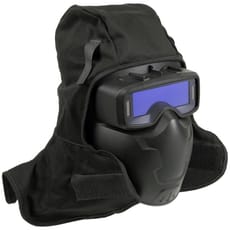
Welding masks are essential personal protective equipment designed to shield the face, eyes and neck from the intense light, heat, sparks and harmful radiation produced during welding operations. Whether you're working with MIG, TIG, arc or gas welding equipment, a quality welding mask provides crucial protection against ultraviolet and infrared rays that can cause serious eye damage, as well as defending against flying sparks, molten metal splatter and heat exposure. Modern welding masks come in various configurations including traditional flip-up designs, hand-held models, and advanced auto-darkening helmets that automatically adjust the lens shade when an arc is struck.
The selection available at Tooled-Up.com ranges from economical hand-held welding masks ideal for occasional light-duty work, through to professional flip-action helmets with adjustable headbands for extended use on site or in fabrication workshops. All welding masks sold must meet rigorous safety standards including EN175 and CE approval, ensuring they provide adequate protection against the specific hazards associated with welding processes. Key considerations when selecting a welding mask include the type of welding you'll be performing, the frequency of use, comfort features for extended wear, and the availability of replacement lenses and spare parts.
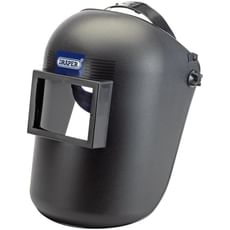
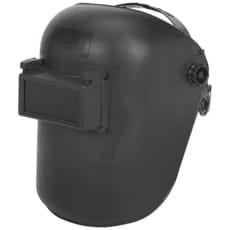
Traditional passive welding masks feature fixed-shade lenses that remain dark at all times, requiring the welder to flip the mask up between welds or position themselves before striking an arc. These tried-and-tested designs remain popular for their simplicity, reliability and lower cost, making them particularly suitable for hobbyists, trainees and professionals undertaking straightforward welding tasks. Tooled-Up stocks models from trusted manufacturers including Draper and Sealey, with features such as injection-moulded polypropylene construction for durability and lightweight comfort, adjustable head straps for secure fitting, and standard lens sizes that make finding replacements straightforward.
Jargon Buster
- Shade Number: A numerical rating (typically ranging from 8 to 13 for welding) that indicates how much light the lens filters out. Higher numbers provide greater protection and are needed for high-amperage welding processes.
- EN175 Standard: The European safety standard specifically for personal eye protection equipment used during welding and related processes, ensuring masks provide adequate protection against optical radiation, impact and heat.
- Flip-Action/Flip-Up Design: A mask mechanism that allows the protective lens assembly to be raised or lowered, enabling welders to inspect their work or position materials without removing the entire helmet.
- Passive Lens: A fixed-shade filter lens that maintains constant darkness, as opposed to auto-darkening lenses that electronically adjust their shade in response to welding arc brightness.
- Viewing Area: The size of the visible window through the welding mask lens, typically measured in millimetres (e.g., 110 x 90mm), with larger viewing areas providing better peripheral vision and work visibility.
- Arc Flash: The intensely bright light and ultraviolet radiation produced when an electrical arc is struck during welding, which can cause painful eye conditions commonly known as "arc eye" or "welder's flash" if proper protection isn't worn.
Who Uses Welding Masks?
- Professional Welders and Fabricators: Tradespeople working in manufacturing, construction and repair industries who perform welding operations daily
- Metal Fabrication Workshops: Businesses specialising in structural steelwork, custom metalwork, gates, railings and architectural features
- Automotive and Agricultural Engineers: Mechanics and technicians who perform repairs, modifications and custom work requiring welding equipment
- Construction Site Workers: Tradespeople involved in structural steel erection, pipework installation and on-site repairs
- Maintenance Engineers: Industrial maintenance staff who perform welding repairs on machinery, equipment and building infrastructure
- DIY Enthusiasts and Hobbyists: Home workshop users undertaking projects involving metal furniture, garden features, vehicle restoration or artistic metalwork
- Training Establishments: Colleges, apprenticeship programmes and training centres teaching welding skills to students
- Agricultural and Farming Operations: Farmers and contractors who maintain and repair agricultural machinery and equipment
How to Choose the Right Welding Masks
Type of Welding Process: Different welding methods produce varying levels of brightness and require appropriate shade protection. Arc welding typically requires darker shades (10-13) whilst gas welding may only need lighter shades (4-8). Consider the primary welding process you'll be using when selecting lens shade ratings.
Frequency and Duration of Use: For occasional light-duty work, a basic hand-held welding mask may suffice and represents an economical choice. However, professionals performing extended welding sessions should invest in head-mounted flip-action models with comfortable adjustable headbands that leave both hands free for work.
Comfort and Fit: A welding mask that's uncomfortable won't be worn properly, compromising safety. Look for models with adjustable head straps, adequate padding, balanced weight distribution and sufficient neck coverage. Lightweight injection-moulded polypropylene construction reduces fatigue during prolonged use.
Viewing Area Size: Larger viewing windows (such as 110 x 90mm) provide better visibility of the work area and improved peripheral vision, which can enhance work quality and safety. However, ensure the viewing area doesn't compromise protection levels.
Lens Availability: Check that replacement lenses and cover plates are readily available for your chosen mask model. Standard lens sizes make sourcing replacements easier and more economical over the mask's lifetime.
Safety Certifications: Always verify that welding masks meet current UK and European safety standards including EN175 and carry CE approval markings. These certifications ensure the product has been tested and meets minimum protection requirements.
Build Quality and Durability: Professional-grade masks from established brands typically offer superior construction, better heat resistance and longer service life compared to budget alternatives, representing better value for frequent users.
Popular Accessories
- Replacement Welding Lenses: Fixed-shade filter lenses in various shade numbers to suit different welding processes and personal preferences
- Clear Cover Plates: Protective outer lenses that shield the expensive filter lens from sparks, spatter and scratches whilst allowing easy cleaning
- Welding Gloves: Heat-resistant gauntlets providing hand and forearm protection from sparks, heat and sharp materials
- Welding Jackets and Aprons: Flame-resistant protective clothing designed to shield the body from welding hazards
- Grinding Shields and Visors: Face protection for post-weld grinding and finishing operations
- Lens Cleaning Cloths: Specialist cleaning materials that won't scratch delicate filter lenses
- Replacement Headbands and Straps: Spare parts to maintain comfort and proper fit as components wear over time
- Welding Curtains and Screens: Workplace barriers to protect others from arc flash and welding radiation
Safety Information
Welding masks are critical safety equipment and must be used correctly every time welding operations are performed. Never strike an arc without proper eye and face protection, as exposure to welding radiation can cause painful arc eye (photokeratitis), permanent eye damage and skin burns. Ensure your welding mask meets current EN175 and CE safety standards and is appropriate for the specific welding process being undertaken.
Regularly inspect welding masks for cracks, damage or deterioration, paying particular attention to the lens condition. Replace cracked, pitted or scratched lenses immediately as they compromise protection levels. Always use the correct shade number for your welding process – darker is not always better as insufficient visibility can lead to poor work quality and increased accident risk.
The Health and Safety Executive (HSE) provides guidance on safe welding practices and appropriate personal protective equipment requirements. In commercial environments, employers must ensure welding masks and other PPE are provided, properly maintained and that workers are trained in their correct use. Remember that welding masks protect the face and eyes but don't provide respiratory protection – ensure adequate ventilation or use approved respiratory protective equipment when welding generates hazardous fumes.
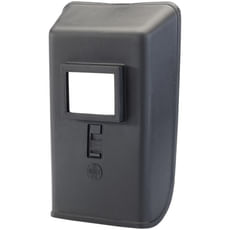
Hand-held welding masks must be held securely in position during all welding operations, which can be tiring and may compromise protection if the mask is moved or dropped. For frequent welding work, head-mounted models provide more reliable protection and allow both hands to remain free for safer, more controlled welding.
Frequently Asked Questions
What shade lens do I need for my welding mask?
The required shade number depends on your welding process and amperage. Arc welding typically requires shade 10-13, MIG welding uses shade 10-12, whilst TIG welding usually needs shade 9-13 depending on amperage. Gas welding requires lighter shades around 4-8. Always consult the manufacturer's guidelines for your specific welding equipment and start with a darker shade if uncertain, adjusting lighter only if visibility is insufficient.
Can I use a welding mask for grinding?
Welding masks with passive dark lenses are not suitable for grinding operations as they provide insufficient visibility. Instead, use a proper grinding shield or visor with a clear lens that protects against flying debris whilst allowing normal vision. Some welders use flip-up welding masks and raise the dark lens for grinding, but a dedicated grinding shield offers better protection for extended grinding work.
How often should I replace welding mask lenses?
Replace filter lenses immediately if they become cracked, deeply scratched or damaged in any way, as this compromises UV and IR protection. Cover plates (clear outer lenses) should be replaced when they become too pitted or dirty to clean effectively. With proper care including the use of cover plates and careful handling, quality filter lenses can last for years, though regular inspection is essential.
What's the difference between hand-held and head-mounted welding masks?
Hand-held masks must be held in position during welding, which can be tiring and limits you to one-handed work, making them best suited for occasional or light-duty welding. Head-mounted masks (flip-action helmets) secure to your head with adjustable straps, leaving both hands free for better control and safer working. Professionals and frequent users typically prefer head-mounted designs for comfort and practicality during extended welding sessions.
Do welding masks provide complete face protection?
Welding masks primarily protect the eyes, face and front of the neck from arc radiation, sparks and heat. However, they don't provide respiratory protection from welding fumes, so ensure adequate ventilation or use approved respiratory protective equipment when required. Additionally, wear appropriate protective clothing including welding gloves, flame-resistant jackets or aprons, and safety footwear to protect other body areas from welding hazards.