

Wet & Dry Sandpaper
Pay in 3 interest-free payments on purchases from £30-2000 with  . Learn more.
 Loading...
End of content
Error - No more pages to load
About Wet & Dry Sandpaper
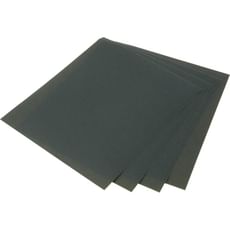
Wet and dry sandpaper, also known as silicon carbide paper or waterproof abrasive paper, is an essential finishing material for achieving professional-quality surface preparation across automotive, decorating, and woodworking applications. Unlike conventional sandpaper, this specialised abrasive features a waterproof latex-impregnated backing that allows it to be used with water or other lubricants, significantly reducing dust, preventing clogging, and producing exceptionally smooth finishes. The water acts as a lubricant, flushing away debris whilst keeping the abrasive surface clean and effective for longer periods.
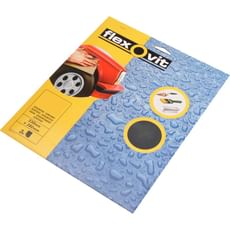
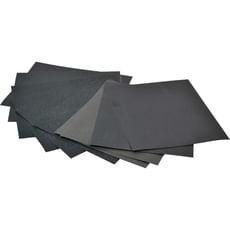
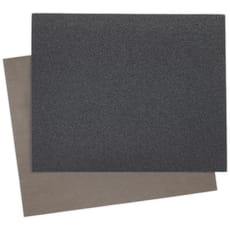
The range available from Tooled-Up.com includes sheets in various grit sizes, from coarse grades for removing major imperfections, rust, and old paint finishes, through to ultra-fine grits that deliver mirror-smooth surfaces ideal for final finishing before painting or lacquering. Premium brands such as Faithfull, Flexovit, and Sealey manufacture these abrasive sheets in standard dimensions including 230 x 280mm, which can be used flat, wrapped around sanding blocks, or cut to size for specific applications.
When used wet, this sandpaper produces minimal airborne dust compared to dry sanding, making it particularly valuable for interior work and confined spaces. The wet sanding method also reduces heat buildup on sensitive materials, prevents premature paper clogging, and extends the working life of each sheet. Coarser grades (typically 80-180 grit) excel at removing paint, primer, and body filler, whilst finer grades (400-2000 grit and beyond) create the smooth, blemish-free surfaces required before applying top coats or polishing compounds.
Jargon Buster
- Grit Size: The numerical rating indicating the coarseness of the abrasive particles. Lower numbers (40-80) represent coarse grits for heavy material removal, whilst higher numbers (400-2000+) denote fine grits for finishing work. The rating corresponds to the number of abrasive particles per square inch.
- Silicon Carbide: The hard, sharp abrasive mineral coating wet and dry sandpaper. This synthetic compound cuts efficiently through paint, metal, plastics, and lacquers, maintaining its cutting ability even when used with water or lubricants.
- Latex-Impregnated Backing: The waterproof paper or cloth backing treated with latex to prevent water penetration and disintegration. This special backing allows the sandpaper to maintain its integrity and strength when wet.
- Feathering: The technique of gradually blending paint edges or filler into surrounding surfaces using progressively finer grits of wet and dry paper, creating seamless transitions invisible after painting.
- Flatting: A professional finishing term for sanding down paint or lacquer surfaces between coats to achieve a perfectly level, smooth finish. Wet and dry paper is the preferred abrasive for flatting work.
- Cork Block: A firm yet slightly flexible sanding block made from cork, designed to hold sandpaper sheets flat whilst conforming subtly to surface contours. Cork blocks prevent finger marks and ensure even pressure distribution during sanding.
Who Uses Wet & Dry Sandpaper?
- Automotive Body Technicians & Restorers: For preparing bodywork, flatting between primer and paint coats, and achieving show-quality finishes on vehicle panels
- Professional Decorators & Painters: For smoothing filled areas, preparing previously painted surfaces, and achieving ultra-smooth finishes on woodwork and metalwork before applying gloss or satinwood
- Cabinet Makers & Furniture Makers: For final finishing of lacquered surfaces, smoothing between varnish coats, and achieving glass-smooth finishes on fine furniture pieces
- Marine Engineers & Boat Builders: For preparing gel coat surfaces, removing oxidation, and finishing fibreglass work in wet conditions where traditional sandpaper would fail
- Metal Fabricators & Engineers: For deburring machined components, removing rust and corrosion, and preparing metal surfaces for painting or coating
- DIY Enthusiasts: For home improvement projects requiring professional-quality finishes, particularly automotive repairs, furniture restoration, and decorating work
- Guitar Builders & Luthiers: For achieving flawless lacquer finishes on instruments, progressively working through fine grits for professional-standard results
How to Choose the Right Wet & Dry Sandpaper
Selecting the appropriate wet and dry sandpaper depends primarily on your material, the current surface condition, and desired finish. Begin by assessing the task: heavy removal of rust, paint, or filler requires coarse grits between 80-180, whilst finishing work before painting demands grits from 320-600. For ultra-fine finishing and polishing preparation, consider grits from 800 up to 2000 or beyond.
Consider the sheet size relative to your application. Standard 230 x 280mm sheets from brands like Faithfull suit most general purposes and can be used whole with a cork block, cut into quarters for hand sanding, or trimmed to fit specific tools. Pre-cut sheets designed for cork blocks save preparation time on larger projects. Tooled-Up stocks various pack sizes, so calculate your requirements based on project scope – larger areas consume more sheets, though wet sanding extends sheet life considerably compared to dry methods.
Brand quality matters significantly with waterproof abrasives. Premium manufacturers like Flexovit and Faithfull produce papers with consistent grit distribution, robust waterproof backing, and superior adhesive bonding that prevents premature abrasive detachment. Cheaper alternatives may disintegrate when wet or cut inefficiently, ultimately costing more through wasted time and material.
Plan your grit progression for optimal results. Professional finishers typically move through grades incrementally – jumping from very coarse to very fine leaves visible scratches that finer grits struggle to remove. A typical automotive finishing sequence might progress: 180 grit (remove old paint) ? 320 grit (smooth filler) ? 600 grit (final preparation) ? 1200 grit (wet flat between colour coats) ? 2000 grit (final flatting before polishing).
Popular Accessories
- Cork Sanding Blocks: Purpose-designed blocks providing the ideal balance of firmness and flexibility for flat, even sanding without finger marks
- Rubber Sanding Blocks: Flexible blocks that conform to curved surfaces whilst maintaining even pressure across the abrasive sheet
- Sanding Block Kits: Comprehensive sets including multiple block shapes for different contours and ready-cut abrasive assortments
- Spray Bottles: For controlled water application during wet sanding, ensuring consistent lubrication without oversaturation
- Automotive Rubbing Compound: Used after fine wet sanding to restore gloss and remove the ultra-fine scratches left by finishing grades
- Microfibre Cloths: Essential for wiping away sanding residue and inspecting surfaces between grit changes
- Mixing Buckets: For containing water during wet sanding operations, particularly useful for larger automotive or marine projects
- Dust Masks & Respirators: Important even when wet sanding, as some mist and fine particles remain airborne
- Safety Glasses: Protection against splashes when wet sanding and particles when using dry methods
Safety Information
Although wet sanding generates significantly less airborne dust than dry methods, appropriate respiratory protection remains advisable, particularly when sanding materials containing fillers, old paint, or metal particles. Use disposable dust masks rated FFP2 as minimum protection, or respirators for extended work or when sanding materials of unknown composition. Always work in adequately ventilated areas and avoid sanding materials that may contain lead-based paints or hazardous substances without proper HSE-compliant protection.
Wear safety glasses or goggles to protect against water splashes carrying abrasive particles, particularly when working overhead or in confined spaces. Nitrile gloves protect hands from prolonged water exposure whilst providing good grip on wet surfaces. Be mindful that wet surfaces become slippery – maintain secure footing and ensure adequate lighting to inspect work progress safely.
When sanding metalwork, particularly automotive bodywork, ensure proper earthing of any nearby electrical equipment and avoid creating water accumulation near 240v power sources. Dispose of used wet and dry sheets responsibly, as they may contain paint residues, metal particles, or other contaminants requiring appropriate waste handling rather than general household disposal.
Frequently Asked Questions
What's the difference between wet and dry sandpaper and normal sandpaper?
Wet and dry sandpaper features a waterproof latex-impregnated backing that doesn't disintegrate when used with water, whilst standard sandpaper uses paper backing that falls apart when wet. The abrasive on wet and dry paper is silicon carbide rather than aluminium oxide, which cuts more effectively through paint, metal, and primers. This specialised construction allows wet sanding, which reduces dust, prevents clogging, extends sheet life, and produces finer finishes than dry sanding alone.
Should I always use wet and dry sandpaper with water?
Despite the name, wet and dry sandpaper works effectively both wet and dry depending on your requirements. Use it dry for quick jobs, rough shaping, or situations where water isn't practical. Use it wet for final finishing, when working indoors where dust control matters, when sanding materials prone to clogging (like paint or body filler), or when achieving ultra-smooth finishes. Wet use extends sheet life considerably and produces superior results for finishing work.
What grit should I use for flatting between paint coats?
For flatting between primer coats, use 320-400 grit wet and dry paper. Between colour coats or before applying lacquer, use 600-800 grit. For final flatting of lacquer or clear coat before polishing, progress through 1200, 1500, and 2000 grit. Always use wet and dry paper with water for flatting work, regularly rinsing both the surface and paper to prevent clogging and scratching from accumulated debris.
How long does wet and dry sandpaper last?
Sheet life varies significantly based on application, but wet and dry paper outlasts conventional sandpaper substantially when used wet. When sanding paint or filler with adequate water lubrication, a single sheet might last 5-10 times longer than dry paper on the same task. However, aggressive use on metal, insufficient lubrication, or very coarse grits reduce longevity. Replace sheets when they stop cutting efficiently or the abrasive surface appears glazed and smooth.
Can I use wet and dry sandpaper with an electric sander?
Standard wet and dry sheets aren't designed for powered sanders and lack the necessary backing or attachment systems. However, specialist waterproof abrasive discs designed for random orbital sanders do exist. For hand sanding applications, wet and dry sheets perform best wrapped around cork blocks or rubber sanding blocks rather than used with power tools. The wet sanding method itself isn't compatible with 240v electric sanders due to obvious electrical safety concerns.