

Wheel Dressers

Pay in 3 interest-free payments on purchases from £20-£3000 with  . Learn more.
 Loading...
End of content
Error - No more pages to load
About Wheel Dressers
Wheel dressers are essential workshop tools designed to maintain, restore and optimise the performance of grinding wheels on bench grinders and other grinding equipment. Over time, grinding wheels become clogged with metal particles, glazed or uneven through regular use, significantly reducing their cutting efficiency and potentially causing dangerous vibrations. A wheel dresser removes this contaminated surface layer, exposes fresh abrasive material, and restores the wheel to its correct profile, ensuring safe and effective grinding operations.
Tooled-Up.com stocks several types of wheel dressers to suit different workshop requirements and budgets. The most common designs include star wheel dressers, which feature multiple hardened steel discs that rotate against the grinding wheel surface, and diamond point dressers, which use industrial diamonds to precisely shape and true the wheel face. Star wheel dressers are economical and suitable for general workshop use, whilst single-point diamond dressers offer superior precision for applications requiring exact wheel profiles. Both types are essential for maintaining grinding wheels used for sharpening chisels, plane irons, drill bits and other edge tools.
Regular wheel dressing is not merely about performance—it's a critical safety practice. An uneven or loaded grinding wheel can cause vibration, overheating and even wheel fracture. The range available from Tooled-Up includes models from trusted brands such as Faithfull, Sealey and Draper, offering reliable solutions for trade workshops, maintenance facilities and serious DIY enthusiasts who demand professional results from their grinding equipment.
Jargon Buster
- Truing: The process of restoring a grinding wheel to perfect roundness and concentricity, eliminating wobble and vibration that occurs through uneven wear.
- Dressing: Removing the loaded or glazed surface layer of a grinding wheel to expose fresh, sharp abrasive grains and restore cutting efficiency.
- Glazing: When the abrasive surface of a grinding wheel becomes smooth and shiny due to heat and pressure, losing its cutting ability and causing excessive friction and heat generation.
- Loading: The condition where metal particles from the workpiece become embedded in the grinding wheel surface, filling the spaces between abrasive grains and preventing effective cutting.
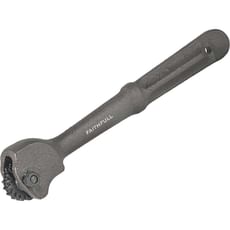
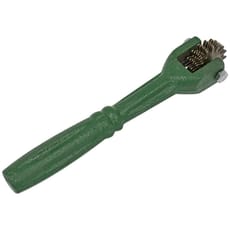
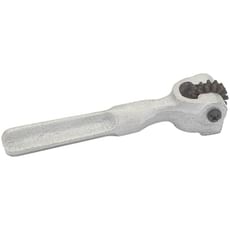
- Star Wheel Dresser: A dressing tool featuring multiple hardened steel discs (typically six) arranged on a handle, which rotate against the grinding wheel to remove surface material.
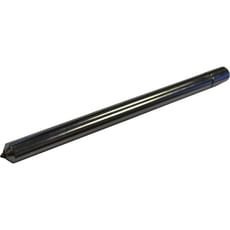
- Single-Point Diamond Dresser: A precision dressing tool with an industrial diamond tip mounted in a metal holder, used for accurate shaping and truing of vitrified grinding wheels.
Who Uses Wheel Dressers?
- Tool and die makers who require precision-ground components and perfectly maintained grinding wheels
- Engineering workshops and machine shops with regular grinding operations
- Metalworkers and fabricators who use bench grinders for deburring and shaping metal
- Woodworkers and joiners who sharpen chisels, plane irons and turning tools on bench grinders
- Maintenance engineers responsible for keeping workshop equipment in optimal condition
- Agricultural mechanics who regularly sharpen mower blades, cultivator points and other farm implements
- Tool sharpening services that maintain grinding equipment for professional results
- Serious DIY enthusiasts with well-equipped home workshops and bench grinding facilities
- Educational institutions including technical colleges and school workshops teaching metalwork and engineering
How to Choose the Right Wheel Dressers
Type of dresser: Star wheel dressers are the most economical option and perfectly adequate for general workshop use, whilst diamond point dressers offer superior precision and longevity for professional applications. Consider how frequently you'll use the tool and the level of accuracy required for your grinding operations.
Wheel type compatibility: Ensure the dresser is suitable for your grinding wheel material. Most dressers work effectively on vitrified aluminium oxide and silicon carbide wheels commonly found on bench grinders, but some specialised wheels may require specific dressing methods.
Build quality: Look for dressers with robust construction and comfortable handles. Star wheel dressers should have freely-rotating hardened steel discs, whilst diamond dressers require secure mounting of the diamond point. Quality tools from established brands like Faithfull, Sealey and Draper provide reliable long-term performance.
Replacement parts: For star wheel dressers, check whether replacement wheel sets are available. The individual cutting discs do wear over time, and being able to replace them extends the tool's working life considerably.
Workshop requirements: Consider the size and type of grinding wheels you'll be dressing. Larger industrial grinders may benefit from more substantial dressing tools, whilst compact bench grinders suit standard-sized dressers perfectly well.
Popular Accessories
- Grinding wheels in various grit sizes and specifications for different materials and applications
- Bench grinders with 150mm or 200mm wheel capacities for workshop grinding tasks
- Wheel balancing kits to eliminate vibration and ensure smooth grinding wheel operation
- Safety visors and goggles providing essential eye protection during grinding and wheel dressing
- Tool rests and grinding jigs for accurate and repeatable sharpening of chisels and plane irons
- Work lights to illuminate the grinding area for precise wheel dressing and tool sharpening
- Replacement star wheels for maintaining star wheel dresser cutting performance
Safety Information
Always disconnect the bench grinder from the 240v mains supply before dressing grinding wheels. Wear appropriate eye protection when dressing wheels, as the process generates sparks and abrasive particles. Ensure the grinding wheel has stopped completely before beginning the dressing operation.
When using a wheel dresser, apply light, even pressure and move steadily across the wheel face. Excessive force can damage both the dresser and the grinding wheel. Always dress wheels to maintain the correct profile and avoid creating grooves or uneven surfaces that could cause dangerous vibrations during subsequent grinding operations.
Follow the HSE guidelines for abrasive wheel use and ensure operators are properly trained in wheel maintenance procedures. Regular wheel dressing is part of essential grinding wheel maintenance and helps prevent accidents caused by wheel failure or excessive vibration.
Frequently Asked Questions
How often should I dress my grinding wheels?
Dress your grinding wheels whenever you notice reduced cutting efficiency, glazing, loading with metal particles, or vibration during operation. For frequent use in professional workshops, this might be weekly or even daily, whilst occasional users may only need to dress wheels every few months.
What's the difference between star wheel and diamond dressers?
Star wheel dressers use multiple hardened steel discs and are economical for general workshop use, whilst diamond point dressers offer superior precision and longevity. Diamond dressers are preferred for fine work and maintaining exact wheel profiles, whereas star wheel dressers excel at quickly removing loaded or glazed material from wheels.
Can I dress any type of grinding wheel?
Most wheel dressers are designed for vitrified grinding wheels commonly found on bench grinders. CBN (cubic boron nitride) and diamond grinding wheels typically require different maintenance methods. Always check the wheel manufacturer's recommendations before dressing.
Will dressing a grinding wheel make it smaller?
Yes, dressing removes material from the wheel surface, gradually reducing its diameter over time. This is normal and expected—grinding wheels are consumable items designed to be dressed regularly throughout their working life until they reach the minimum diameter marked on the wheel label.
Do I need different dressers for coarse and fine grinding wheels?
A single quality wheel dresser can maintain both coarse and fine grinding wheels effectively. The dresser restores the wheel profile and exposes fresh abrasive—the wheel's grit specification determines the finish it produces, not the type of dresser used to maintain it.