

Wheel Nut Wrenches
Pay in 3 interest-free payments on purchases from £30-2000 with  . Learn more.
 Loading...
End of content
Error - No more pages to load
About Wheel Nut Wrenches
Wheel nut wrenches are essential tools for removing and tightening wheel nuts on cars, vans, HGVs, and other vehicles. These robust tools provide the leverage and socket sizes needed to safely change tyres, perform brake maintenance, or carry out roadside repairs. Whether you're a professional mechanic, mobile tyre fitter, or simply a motorist who wants to be prepared for emergencies, having a reliable wheel nut wrench is vital for vehicle maintenance and safety.
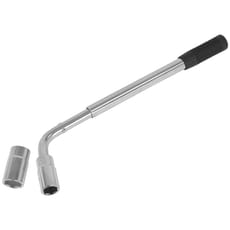
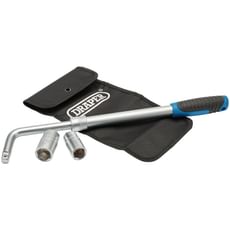
The selection at Tooled-Up.com includes various configurations to suit different applications, from compact dual-size socket wrenches to extending wheel braces and heavy-duty four-way designs. Many models feature chrome vanadium steel construction for durability and corrosion resistance, with extending handles that provide additional torque when dealing with stubborn or over-tightened wheel nuts. Professional-grade options are available from trusted brands including Draper, Sealey, and Expert by Facom, designed to withstand the demands of daily workshop use and commercial vehicle maintenance.
Modern wheel nut wrenches often incorporate multiple socket sizes to accommodate different vehicle types, with common sizes including 17mm, 19mm, 21mm, and 23mm for passenger vehicles, and larger sockets for commercial applications. Some designs feature reversible sockets or L-bar configurations that offer versatility and improved access in tight wheel arch spaces, making them indispensable for both roadside assistance and professional garage work.
Jargon Buster
- Chrome Vanadium Steel: A hardened steel alloy combining chromium and vanadium that offers excellent strength, durability, and resistance to wear – the preferred material for professional-quality wheel nut wrenches.
- Square Drive (Sq. Dr.): The measurement of the square socket attachment point, with 1/2" being the most common size for wheel nut applications, providing the necessary strength for high-torque fastening.
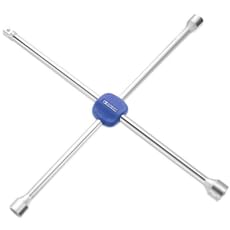
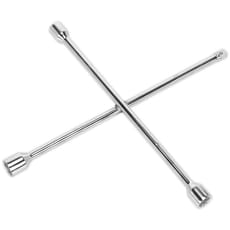
- Four-Way Wheel Brace: A cross-shaped wrench with four different socket sizes, one at each end, allowing quick socket changes without carrying multiple tools – popular for mobile mechanics and emergency kits.
- Extending Handle: A telescopic or sliding mechanism that increases the wrench's overall length, providing additional leverage to loosen tight wheel nuts without excessive physical effort.
- Hub Cap Remover: An integrated tapered or hooked end designed to pry off decorative hub caps and wheel trims before accessing the wheel nuts underneath.
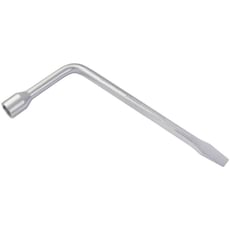
- L-Bar Wrench: An L-shaped configuration that offers two grip positions for different leverage requirements and improved access in confined spaces around wheel assemblies.
Who Uses Wheel Nut Wrenches?
- Motor Mechanics and Auto Technicians: Daily use for tyre changes, brake repairs, and general vehicle maintenance in garages and workshops.
- Mobile Tyre Fitters: Essential for roadside tyre replacement services, requiring portable and reliable tools for varied vehicle types.
- HGV Mechanics and Fleet Maintenance Teams: Heavy-duty models for commercial vehicles, lorries, and buses with larger wheel nuts requiring substantial torque.
- Agricultural and Plant Engineers: Maintaining wheels on tractors, trailers, and construction equipment in field and site conditions.
- Breakdown Recovery Operators: Quick wheel changes during roadside assistance calls, often in challenging weather and lighting conditions.
- DIY Enthusiasts and Motorists: Home mechanics who perform their own vehicle maintenance and want to be prepared for punctures or tyre changes.
- Car Dealerships and MOT Centres: High-volume tyre and brake work requiring durable professional-grade equipment.
How to Choose the Right Wheel Nut Wrenches
Socket Sizes and Vehicle Compatibility: Identify the wheel nut sizes for your typical applications. Standard UK passenger vehicles commonly use 17mm, 19mm, 21mm, or 23mm nuts, whilst commercial vehicles may require larger sockets. Four-way braces or multi-size wrenches offer versatility for working across different vehicle types.
Handle Length and Leverage: Longer handles provide greater torque with less physical effort, essential for loosening wheel nuts tightened by impact wrenches. Extending models available from Tooled-Up can reach 520mm or more, ideal for stubborn fixings whilst remaining compact for storage.
Construction Quality and Durability: Professional applications demand chrome vanadium steel construction with proper heat treatment and corrosion-resistant finishes. Heavy-duty forged designs withstand repeated high-torque use without bending or socket wear.
Design Configuration: Consider whether a traditional single-socket wrench, four-way brace, or L-bar set best suits your needs. Four-way designs eliminate socket changes but are bulkier, whilst single-socket extending wrenches offer maximum leverage in a compact package.
Professional vs. Occasional Use: Daily workshop use requires industrial-grade tools from established manufacturers like Draper, Sealey, or Expert by Facom. For occasional DIY use or emergency kits, mid-range models still offer adequate performance and longevity.
Storage and Portability: Mobile mechanics and roadside assistance operators should prioritise compact designs or sets with carry cases. Workshop-based users can opt for larger, heavier-duty options without portability concerns.
Popular Accessories
- Torque Wrenches: Essential for correctly tightening wheel nuts to manufacturer specifications, preventing over-tightening and ensuring safety.
- Impact Sockets: Hardened sockets designed for use with pneumatic or electric impact wrenches for high-volume tyre fitting work.
- Trolley Jacks and Axle Stands: Safely lift and support vehicles during wheel removal and maintenance procedures.
- Hub Cap and Trim Removal Tools: Dedicated pry tools for removing decorative covers without damage to painted or chromed surfaces.
- Wheel Chocks: Essential safety equipment to prevent vehicle movement during tyre changes on sloped or uneven surfaces.
- Breaker Bars: Extra-long bars for additional leverage on extremely tight or corroded wheel nuts that resist standard wrenches.
- Tool Storage Solutions: Keep wheel nut wrenches organised and protected in workshop trolleys, toolboxes, or vehicle storage compartments.
Safety Information
Always engage the handbrake and place the vehicle in gear (or 'Park' for automatics) before loosening wheel nuts. Position jack stands under the vehicle's designated jacking points – never work under a vehicle supported only by a jack. Loosen wheel nuts slightly before raising the vehicle, and only fully tighten them once the vehicle is back on the ground to prevent the wheel spinning.
Use the correct socket size to prevent rounding of wheel nut corners, which can make removal extremely difficult. When using extending wrenches, position yourself to push down on the handle rather than pulling up, maintaining better control and balance. Wear safety footwear with steel toe caps, as wheel assemblies are heavy and dropped components can cause serious foot injuries.
Consult your vehicle's handbook for the correct torque specification and tightening sequence for wheel nuts. Over-tightening can damage studs, brake components, and wheel bearings, whilst under-tightening presents a serious safety hazard. Regularly inspect wheel nut wrenches for damage, wear, or socket distortion, replacing tools that show signs of compromise to maintain safe working practices in accordance with HSE guidelines.
Frequently Asked Questions
What size wheel nut wrench do I need for my car?
Most UK passenger vehicles use 17mm, 19mm, 21mm, or 23mm wheel nuts. Check your vehicle handbook or measure the existing nuts with a socket set to determine the correct size. A four-way wheel brace with multiple socket sizes provides versatility if you work on different vehicles.
Can I use a wheel nut wrench to tighten wheel nuts fully?
Wheel nut wrenches are excellent for initial loosening and preliminary tightening, but final tightening should be completed with a calibrated torque wrench to achieve the manufacturer's specified torque setting. This prevents over-tightening damage and ensures proper wheel security.
What's the advantage of an extending wheel nut wrench?
Extending handles provide additional leverage without requiring a longer fixed tool. This makes them easier to store in vehicles or toolboxes whilst still delivering the torque needed for stubborn wheel nuts tightened by impact wrenches in garages and tyre centres.
Are L-bar wrenches better than straight designs?
L-bar wrenches offer two grip positions for different leverage requirements and can provide better access in tight wheel arch spaces. However, straight extending designs typically offer maximum leverage. The choice depends on your specific application and working conditions.
How do I maintain my wheel nut wrench?
Wipe clean after use, especially after roadside work in wet or muddy conditions. Apply a light coating of oil to prevent rust on the extending mechanism. Inspect sockets regularly for wear or rounding, and check that extending handles lock securely at all positions to ensure safe operation.