

Wheel Trolleys
Pay in 3 interest-free payments on purchases from £30-2000 with  . Learn more.


 Loading...
End of content
Error - No more pages to load
About Wheel Trolleys
Wheel trolleys are indispensable handling solutions designed to make moving, storing, and working with wheels, tyres, and heavy cylindrical objects safer and more efficient. From bustling tyre fitting centres to home garages, these specialised tools eliminate the physical strain and safety risks associated with manual handling whilst protecting valuable wheels and tyres from damage. Whether you need a simple wheel dolly to manoeuvre individual wheels across your workshop floor, or a complete transportacar trolley system to move non-running vehicles, Tooled-Up.com stocks professional-grade equipment that transforms awkward handling tasks into straightforward operations.
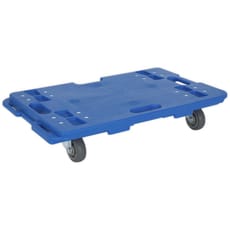
The range available from Tooled-Up includes wheel storage trolleys that keep seasonal tyres organised and off the floor, drum dollies designed for safely transporting heavy barrels and containers, hydraulic wheel skates that lift entire vehicles with minimal effort, and interlocking dollies that can be configured to suit specific workshop layouts. These tools are manufactured by trusted brands including Sealey and Draper, ensuring robust steel construction that withstands the demanding conditions of professional garages and workshops. With load capacities ranging from individual wheel handling at around 50kg through to heavy-duty wheel skates supporting over 400kg each, there's a solution for every application and budget.
Modern wheel trolleys incorporate thoughtful design features that enhance both functionality and safety. Swivel castors provide exceptional manoeuvrability even when fully loaded, reinforced frames deliver the strength needed for daily commercial use, and protective surfaces prevent scratching expensive alloy wheels. Many models feature adjustable components to accommodate different wheel sizes from compact 13-inch wheels through to larger commercial vehicle applications, whilst non-marking castors protect workshop floors from damage during movement.
Jargon Buster
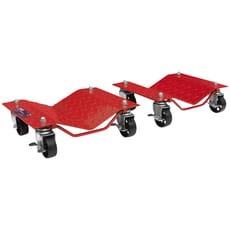
- Wheel Dolly: A low-profile platform mounted on castors designed to support and transport individual wheels or tyres around a workshop. Most feature a recessed centre that keeps the wheel secure and stable during movement, with load capacities typically between 50-100kg.
- Wheel Skate: A heavy-duty device that fits under a vehicle's wheel to enable the car to be moved when it cannot be driven. Available in mechanical or hydraulic variants, with hydraulic models featuring foot-operated pumps that raise vehicles with minimal effort, making positioning straightforward.
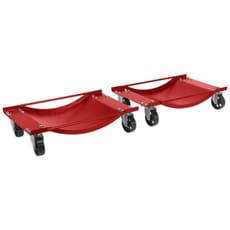
- Transportacar Trolley: A complete set of four wheel skates designed to work together, allowing an entire vehicle to be manoeuvred around a workshop or garage. Essential for moving non-running vehicles or positioning cars precisely on ramps and lifts without starting the engine.
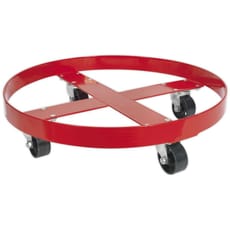
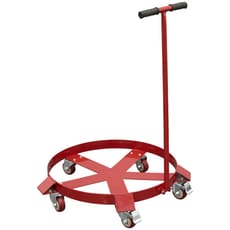
- Drum Dolly: A circular platform with castors specifically designed to transport standard 205-litre drums of oil, lubricants, or other fluids safely. Many feature raised edges to prevent the drum from slipping during movement, with load capacities typically around 250-300kg.
- Swivel Castors: Rotating wheels attached to the trolley base that pivot 360 degrees, enabling precise manoeuvrability and easy direction changes even when loaded with heavy wheels or components. Quality castors feature sealed bearings for smooth operation and longevity.
- Load Capacity: The maximum weight a wheel trolley can safely support, measured in kilograms. Ratings vary from around 50kg for basic wheel dollies to over 400kg per skate for heavy-duty vehicle movement applications. Always select equipment rated above your maximum anticipated load.
Who Uses Wheel Trolleys?
- Motor mechanics and garage technicians performing wheel changes, tyre fitting, and vehicle servicing
- Tyre fitters and fast-fit specialists requiring efficient wheel handling throughout busy working days
- MOT testing centres needing to move vehicles precisely and safely during inspection procedures
- Vehicle body shops manoeuvring damaged vehicles that cannot be driven under their own power
- Car dealerships and showrooms positioning vehicles for display without starting engines or adding unnecessary mileage
- Fleet maintenance workshops managing high volumes of seasonal tyre changes and wheel rotations
- Racing teams and motorsport enthusiasts transporting competition wheels and maintaining organised tyre storage
- Classic car restorers moving project vehicles safely around workshops during long-term restoration work
- Warehouse and logistics operations handling drums and heavy cylindrical containers efficiently
- Agricultural and plant maintenance facilities working with large commercial vehicle wheels
- Serious DIY enthusiasts and home mechanics with dedicated garage space for vehicle maintenance
How to Choose the Right Wheel Trolleys
Determine Your Primary Application: Consider whether you need to move individual wheels, transport entire vehicles, or handle heavy drums. Single wheel dollies suffice for basic tyre storage and movement tasks, whilst wheel skates or complete transportacar trolleys are essential for moving non-running vehicles around your workshop. Drum dollies serve a different purpose entirely, designed specifically for heavy cylindrical containers rather than automotive wheels.
Assess Load Capacity Requirements: Always select a trolley with a load capacity exceeding your heaviest anticipated load. Standard car wheels typically weigh 15-25kg including tyre, whilst larger 4x4 or commercial vehicle wheels can exceed 50kg. For wheel skates supporting entire vehicles, calculate at least a quarter of the vehicle's kerb weight per skate, then add a safety margin of at least 20% to account for weight distribution variations.
Consider Wheel and Tyre Sizes: Ensure the trolley dimensions accommodate your typical wheel diameters, from compact 13-inch wheels through to larger 20-inch alloys or commercial sizes. Adjustable models offer versatility if you work with varied vehicle types across your business, whilst fixed-size dollies work perfectly well for workshops with consistent wheel sizes and dedicated applications.
Evaluate Workshop Space and Flooring: Larger swivel castors roll more easily over uneven surfaces and workshop debris, whilst smaller wheels suit smooth, level concrete floors. Consider the clearance height—low-profile designs fit under vehicles more easily but may struggle with floor irregularities. Interlocking dollies maximise storage efficiency in compact workshops where floor space is at a premium.
Hydraulic vs Mechanical Operation: Hydraulic wheel skates feature foot-operated pumps that raise vehicles with minimal physical effort, ideal for frequent use in professional settings where time and ergonomics matter. Mechanical versions require more physical effort but cost less and have fewer components that could require maintenance, suiting occasional use or budget-conscious buyers who prioritise simplicity.
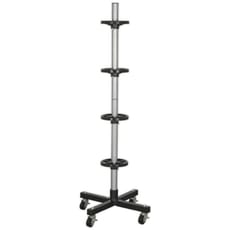
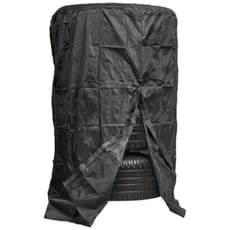
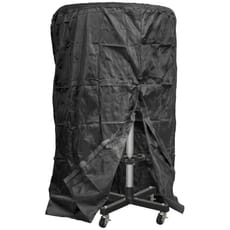
Storage Considerations: If storing seasonal tyres is your priority, dedicated wheel storage trolleys with multiple tiers keep tyres off the floor, clearly visible, and protected from damage. Some include covers to prevent dust accumulation and UV degradation during extended storage periods, particularly valuable for preserving premium tyres between seasons.
Build Quality and Durability: Professional-grade trolleys from manufacturers like Sealey and Draper feature reinforced steel construction, quality castors with sealed bearings, and protective coatings against workshop chemicals and moisture. These withstand daily commercial use far better than budget alternatives that may seem attractive initially but quickly deteriorate under demanding workshop conditions, ultimately costing more through replacement and downtime.
Popular Accessories
- Wheel storage covers protecting stored tyres from dust, sunlight, and environmental damage during seasonal storage
- Tyre inflators and pressure gauges for checking and adjusting pressures before fitting or storage
- Wheel balancers ensuring smooth running and extending tyre life after fitting
- Tyre levers and bead breakers for manual tyre fitting and removal tasks
- Alloy wheel cleaners and brushes maintaining wheel appearance and preventing corrosion
- Torque wrenches ensuring wheel nuts are tightened to manufacturer specifications
- Vehicle jacks and axle stands complementing wheel trolleys for safe vehicle lifting and support
- Workshop mats and floor protection preventing castors from marking or damaging floor surfaces
- Cable locks and security chains protecting valuable wheels during storage
- Tyre racks and wall-mounted storage systems for additional organised tyre storage capacity
- Wheel chocks providing additional security when working with vehicles on wheel skates
Safety Information
Load Limits Must Be Respected: Never exceed the manufacturer's stated load capacity for any wheel trolley. Overloading can cause structural failure, castors to collapse, or loads to shift unexpectedly, potentially causing serious injury or damage to expensive wheels and vehicles. Always account for the combined weight of wheel, tyre, and any residual brake components when calculating loads.
Secure Vehicles Properly: When using wheel skates or transportacar trolleys to move vehicles, ensure the handbrake is off and the transmission is in neutral. Move vehicles slowly and deliberately, watching for obstacles and ensuring adequate clearance around walls, equipment, and other vehicles. Never position any part of your body between a vehicle on skates and fixed objects—vehicles on wheel skates can roll unexpectedly if the floor is sloped or if pushed too forcefully.
Floor Conditions Matter: Wheel trolleys perform best on clean, level surfaces free from oil, water, and debris. Clear the path before moving loaded trolleys, paying particular attention to transitions between different floor surfaces where castors can catch. Be particularly cautious on sloped floors where loaded trolleys may gain momentum, and avoid turning sharply when moving heavy loads as this can cause instability.
Manual Handling Considerations: Whilst wheel trolleys significantly reduce manual handling strain, lifting wheels onto dollies still requires proper technique. Bend at the knees, keep your back straight, and hold loads close to your body. HSE guidelines recommend avoiding repetitive lifting of loads exceeding 25kg where possible—consider mechanical assistance or two-person lifts for heavier commercial vehicle wheels and tyres.
Maintenance and Inspection: Regularly inspect castors for damage, debris accumulation, and bearing wear that can affect steering and stability. Check hydraulic wheel skates for fluid leaks and ensure release valves function correctly before each use. Replace worn or damaged components immediately rather than risking failure under load. Keep moving parts lubricated according to manufacturer recommendations to ensure smooth, predictable operation throughout the equipment's service life.
Frequently Asked Questions
Can I use wheel dollies to store alloy wheels without causing damage?
Yes, provided you choose dollies with protective surfaces or add rubber matting between the wheel and platform. Quality wheel dollies feature smooth, non-abrasive platforms that won't scratch delicate alloy finishes. Position wheels with the decorative face upward to prevent contact with the dolly surface, and avoid dragging wheels across the platform during positioning. For long-term storage, consider dedicated wheel storage trolleys that support tyres by the tread without placing pressure on alloy faces, preventing flat spots and maintaining wheel integrity.
What's the difference between hydraulic and mechanical wheel skates?
Hydraulic wheel skates incorporate a foot-operated pump that raises the vehicle with minimal physical effort, making them ideal for frequent daily use in professional garages where time efficiency matters. Mechanical versions use a screw-jack or lever mechanism requiring more manual effort but offering simpler construction with fewer components that could fail or require maintenance. Hydraulic models cost more initially but save considerable time and reduce physical strain in busy commercial environments, whilst mechanical versions suit occasional use or situations where simplicity, reliability, and lower initial investment are priorities.
How do I move a car that won't start using wheel trolleys?
You'll need a complete transportacar trolley set consisting of four wheel skates. With the vehicle in neutral and handbrake off, position one skate at each wheel, then use the lifting mechanism (hydraulic or mechanical) to raise each wheel slightly off the ground—typically just 20-30mm clearance is sufficient. Once all four wheels are on skates, the vehicle can be pushed or pulled around your workshop. Always work on level ground, move slowly with someone guiding from the front, and ensure adequate space around the vehicle. Never leave a vehicle unattended on wheel skates without chocking them or applying additional restraints to prevent unexpected movement.
Are drum dollies suitable for moving any cylindrical load?
Drum dollies are specifically designed for standard 205-litre drums and feature dimensions and load capacities appropriate for these containers. Whilst they can accommodate other cylindrical objects of similar size and weight, always verify that your load doesn't exceed the stated capacity (typically around 250-300kg) and that it sits securely on the platform. Models with raised edges or securing straps offer additional security for valuable or hazardous contents. Drum dollies aren't suitable for moving gas cylinders, which require purpose-built cylinder trolleys that include securing chains and meet specific safety standards for pressurised containers.
Do I need different trolleys for different wheel sizes?
Not necessarily. Many wheel dollies feature recessed centres that accommodate various wheel diameters from compact car wheels through to larger SUV and light commercial sizes without adjustment. However, if you regularly work with particularly small wheels (under 13 inches) or exceptionally large wheels (over 22 inches), dedicated sizing might offer better support and stability. Adjustable wheel storage trolleys can be configured for different wheel diameters, making them versatile for workshops handling multiple vehicle types from small hatchbacks to large SUVs. For wheel skates supporting entire vehicles, wheel size matters less than weight capacity—ensure the skates are rated for your heaviest vehicle with appropriate safety margin.