

Wheeled Tool Bags
Pay in 3 interest-free payments on purchases from £30-2000 with  . Learn more.

 Loading...
End of content
Error - No more pages to load
About Wheeled Tool Bags
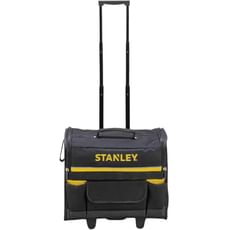
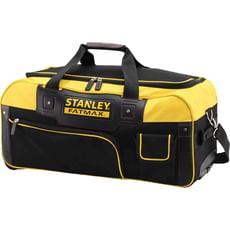
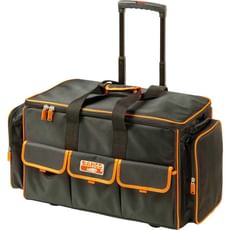
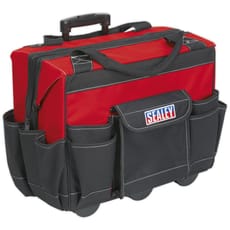
Wheeled tool bags combine the portability of traditional tool bags with the convenience of rolling luggage, making them essential for tradespeople who need to transport heavy equipment across sites, car parks, and workshops. These robust storage solutions feature reinforced wheels and telescopic handles, allowing you to move substantial tool collections without straining your back or shoulders. Available from leading brands including DeWalt, Makita, Stanley FatMax, and Bahco, wheeled tool bags at Tooled-Up.com are engineered to withstand the rigours of daily professional use whilst keeping your valuable equipment organised and protected.
Modern wheeled tool bags are constructed from heavy-duty polyester fabrics, typically ranging from 600 to 1680 denier, with reinforced bases and PVC overlays in high-wear areas. They feature multiple compartments, internal dividers, external pockets, and elastic tool holders that keep everything from power tools and hand tools to consumables and documentation neatly arranged. Many professional models include laptop or tablet compartments, allowing site managers and contractors to carry their digital devices alongside their tools. Whether you're a mobile engineer covering multiple locations daily or a contractor moving between floors on a large construction project, these bags eliminate the physical strain of carrying traditional toolboxes.
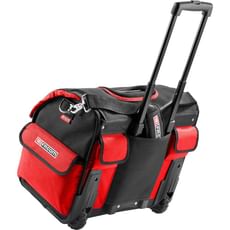
The category includes various designs from compact rolling bags suitable for electricians and plumbers through to large-capacity wheeled duffles that can accommodate extensive power tool collections. Premium options like the Facom BS.R20 Professional Rolling Tool Bag offer enhanced durability and organisation features, whilst brands such as Draper and Sealey provide excellent value alternatives that don't compromise on essential functionality. All wheeled tool bags stocked by Tooled-Up feature robust wheel assemblies and comfortable grip handles designed for years of reliable service.
Jargon Buster
- Denier Rating: A measurement of fabric density and durability, expressed as the weight in grams of 9,000 metres of yarn. Higher denier numbers (such as 1680D) indicate thicker, more durable fabrics that resist tears and abrasion better than lower ratings (600D).
- Telescopic Handle: An extendable handle mechanism that allows you to adjust the height for comfortable pulling, then retracts for compact storage. Quality handles feature locking positions and ergonomic grips.
- Inline Skate Wheels: Heavy-duty wheels similar to those found on inline skates, typically made from polyurethane. These provide smooth rolling across rough surfaces like construction sites, kerbs, and uneven flooring whilst bearing substantial weight.
- Base Reinforcement: Additional protective layers on the bag's bottom, often comprising rigid plastic panels or extra-thick fabric with PVC coating, preventing wear from repeated contact with concrete, tarmac, and abrasive surfaces.
- Tool Organisers: Internal systems including elasticated loops, mesh pockets, padded dividers, and removable pouches that keep individual tools separated, protected, and easily accessible without rummaging through the entire bag.
- Side Handle/Grab Handles: Reinforced handles positioned on the bag's sides and top, allowing you to lift and manoeuvre the bag like traditional luggage when wheeling isn't practical, such as loading into vehicles or navigating stairs.
Who Uses Wheeled Tool Bags?
- Electricians: Particularly those working across multiple properties or large commercial installations, carrying testing equipment, power tools, and extensive hand tool collections
- Plumbers and Heating Engineers: Mobile tradespeople visiting multiple sites daily who need to transport pipe cutters, wrenches, power tools, and plumbing consumables
- General Builders and Contractors: Site workers who require diverse tool selections and need to move equipment between floors, across car parks, or between properties
- Maintenance Engineers: Facilities management professionals covering large buildings or multiple locations, carrying diagnostic equipment alongside repair tools
- Carpenters and Joiners: Especially those undertaking installation work across different sites, transporting power saws, routers, measuring equipment, and hand tools
- HVAC Technicians: Heating and ventilation specialists who need to carry specialised diagnostic equipment and tools to various locations
- Mobile Mechanics: Automotive technicians offering on-site services, requiring comprehensive tool selections at client locations
- Event Technicians: Audio-visual and staging professionals who set up equipment at multiple venues
- Serious DIY Enthusiasts: Home improvers with extensive tool collections who appreciate organised storage and easy transportation
How to Choose the Right Wheeled Tool Bags
Capacity and Dimensions: Consider your typical tool load. Compact models suit electricians and lighter trades, whilst large wheeled duffles accommodate extensive power tool collections. Check internal dimensions against your largest tools, and remember that overfilling compromises manoeuvrability and durability.
Fabric Durability: Look for minimum 600 denier polyester construction, with 1680D fabrics offering superior longevity for heavy daily use. Examine base reinforcement—rigid plastic panels or thick PVC coatings protect against abrasion from concrete and rough surfaces. Water-resistant coatings keep contents dry during light rain when moving between vehicle and site.
Wheel Quality and Configuration: Larger diameter wheels (typically 75-100mm) handle rough terrain, kerbs, and debris more effectively than smaller wheels. Inline skate-style polyurethane wheels provide smooth, quiet rolling and bear heavy loads without deforming. Check that wheels are securely mounted with metal axles rather than plastic pins.
Handle Design: Telescopic handles should extend sufficiently for your height, lock securely at multiple positions, and feature comfortable grips. Quality mechanisms operate smoothly and won't collapse under load. Multiple grab handles on different sides offer lifting versatility when wheeling isn't practical.
Organisation Features: Assess internal layout against your tools. Multiple compartments, removable organisers, and tool boards prevent items shifting during transport. External pockets provide quick access to frequently used items. Consider whether you need laptop compartments, document pockets, or specialist holders for measuring equipment.
Brand Reputation: Established brands like DeWalt, Makita, Stanley FatMax, and Facom engineer their bags specifically for trades use, with reinforced stress points and quality components. Tooled-Up stocks proven models that withstand years of professional service rather than budget alternatives that fail prematurely.
Warranty and Build Quality: Examine stitching quality—double or triple stitching at stress points indicates superior construction. Metal zips with reinforced sliders outlast plastic alternatives. Check reviews regarding longevity, particularly wheel and handle durability under loaded conditions.
Popular Accessories
- Tool Organisers and Pouches: Supplementary organiser panels, zippered pouches, and bit holders that customise your bag's internal layout
- Modular Storage Systems: Compatible stackable boxes like DeWalt TSTAK, Milwaukee PACKOUT, or Makita MakPac that complement wheeled bags for comprehensive storage solutions
- Shoulder Straps: Additional padded straps for bags that allow carrying when wheeling isn't suitable, such as stairs or very rough terrain
- Replacement Wheels: Spare wheel assemblies to maintain smooth rolling after extended use on building sites
- Tool Foam Inserts: Custom-cut foam that creates dedicated spaces for expensive tools, preventing movement and damage during transport
- Padlocks and Security Cables: Security accessories to protect valuable tool collections when bags must be left in vehicles or site containers
- Weather Covers: Protective rain covers that shield bags during outdoor storage or transport in poor weather conditions
- Tool Tethers and Lanyards: Prevents tools falling when working at height, complementing organised tool storage
Frequently Asked Questions
Can wheeled tool bags handle construction site terrain?
Quality wheeled tool bags with larger diameter inline skate wheels cope admirably with typical site conditions including rough concrete, compacted gravel, and low kerbs. However, extremely muddy ground, thick debris, or steep stairs may require lifting using the grab handles. Bags with reinforced bases and quality wheel assemblies from brands like DeWalt and Makita are specifically engineered for construction environments.
How much weight can I safely load into a wheeled tool bag?
Whilst wheel assemblies typically support 20-40kg depending on the model, consider your ability to lift the bag into vehicles, over obstacles, or up steps. Most manufacturers don't specify maximum weight limits, so use common sense—if the bag feels difficult to manoeuvre when wheeling or becomes awkward to lift, you've exceeded practical capacity. Distribute weight evenly to prevent handle stress and wheel bearing damage.
Are wheeled tool bags suitable for air travel?
Many professional tradespeople successfully use wheeled tool bags as checked luggage for overseas contracts. However, remove lithium batteries from cordless tools (airline regulations prohibit them in checked baggage), and be aware that sharp tools may require inspection. Check your airline's size and weight restrictions—large wheeled duffles may exceed standard allowances, incurring excess baggage charges.
How do I maintain the wheels and handle mechanism?
Periodically remove debris, dust, and material from wheel axles and bearings using a brush and compressed air. Wipe telescopic handles clean to prevent grit entering the mechanism. Apply light machine oil to wheel bearings annually if you use the bag daily on dusty sites. Check wheel security regularly—loose wheels cause uneven rolling and accelerate wear. Store the bag with the handle retracted to prevent mechanism fatigue.
What's the difference between a wheeled tool bag and a rolling toolbox?
Wheeled tool bags use fabric construction with flexible compartments, making them lighter and more compact when empty. They typically offer better external pocket access and can squeeze into vehicle boots more easily. Rolling toolboxes feature rigid plastic or metal construction with fixed compartments, offering superior protection for delicate instruments and better stacking capability. Wheeled bags suit mobile tradespeople prioritising portability, whilst rolling toolboxes benefit workshop-based professionals requiring maximum organisation and protection.