

Wheeled Tool Boxes
Pay in 3 interest-free payments on purchases from £30-2000 with  . Learn more.
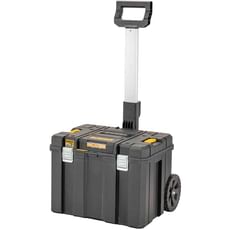
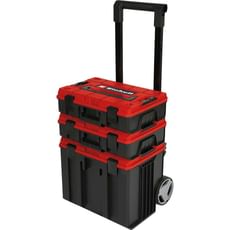
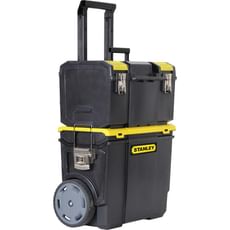
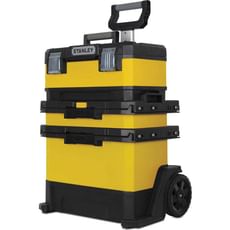
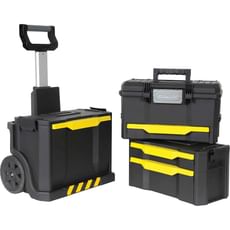
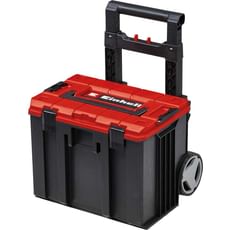
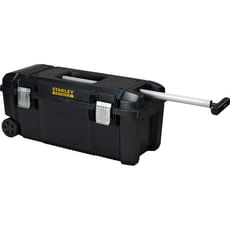
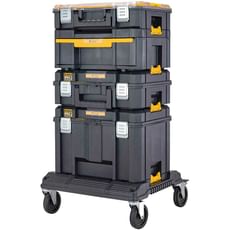
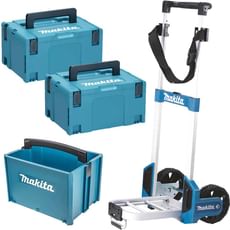
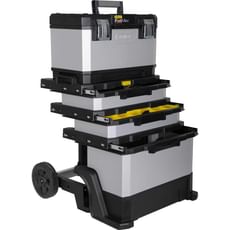
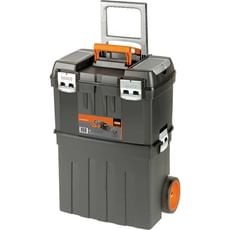
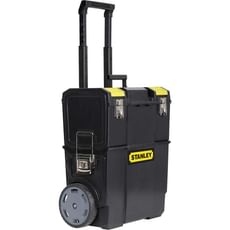
 Loading...
End of content
Error - No more pages to load
About Wheeled Tool Boxes
Wheeled tool boxes represent the ultimate solution for mobile tool storage, combining secure organisation with effortless transportation. These innovative storage systems feature robust wheels and telescopic handles, allowing tradespeople to move heavy tool collections across job sites, workshops, and between vehicle and workplace without the strain of carrying traditional tool boxes. From compact single units to modular stackable systems, wheeled tool boxes have become essential equipment for professionals who need their tools organised, protected, and readily accessible wherever work takes them.
Modern wheeled tool boxes have evolved far beyond simple boxes on wheels. Today's systems from leading manufacturers include modular stackable designs like the DeWalt TSTAK, Makita MakPac, and Milwaukee PACKOUT ranges, which allow users to customise their storage configuration to match specific requirements. These systems typically feature heavy-duty polypropylene construction, weather-resistant seals, metal latches, and robust wheels designed to handle rough terrain from building sites to workshop floors. Many incorporate removable organisers, internal trays, and compartmentalised sections that keep tools sorted and prevent damage during transport.
The range available at Tooled-Up.com includes options for every trade and budget, from compact painter's storage combos to comprehensive workshop tower systems. Whether you're a mobile electrician requiring organised compartments for cable accessories, a carpenter transporting power tools between sites, or a DIY enthusiast seeking better workshop organisation, wheeled tool boxes deliver the perfect combination of capacity, protection, and mobility that modern tool storage demands.
Jargon Buster
- Stackable/Modular Systems: Tool box designs where multiple units connect together vertically, allowing users to build custom storage towers that can be wheeled as a single unit. Popular systems include DeWalt TSTAK, Makita MakPac, and Festool Systainer ranges.
- Telescopic Handle: An extendable pull-handle that adjusts to different heights for comfortable wheeling, then retracts flush with the box for compact storage when not in use.
- Organiser Tray: A removable shallow tray that sits in the top section of the tool box, providing easy-access storage for frequently used small items, fixings, or hand tools.
- Metal Latches: Heavy-duty metal closures that secure the lid firmly, providing superior strength and longevity compared to plastic clips, especially important for boxes containing heavy tools.
- Load Capacity: The maximum weight the wheeled tool box can safely carry, typically measured in kilograms. This includes both the weight supported by the wheels during transport and the structural capacity of the box itself.
- Weather Seals: Rubber or foam gaskets around the lid perimeter that create a water-resistant barrier, protecting contents from rain, dust, and debris when working outdoors or storing tools in vans.
Who Uses Wheeled Tool Boxes?
- Electricians and Sparks: For transporting cable accessories, testing equipment, power tools, and hand tools between properties and floors on commercial sites
- Plumbers and Heating Engineers: Moving pipe cutters, wrenches, power tools, and plumbing supplies across job sites and from van to workplace
- Carpenters and Joiners: Transporting power saws, drills, chisels, measuring equipment, and fixings between workshop and installation sites
- Maintenance Engineers: Carrying comprehensive tool sets around large facilities, industrial sites, and commercial buildings
- Decorators and Painters: Moving brushes, rollers, filling knives, sanders, and decorating materials between rooms and properties
- Mobile Mechanics: Transporting automotive tools, diagnostic equipment, and spare parts to different work locations
- HVAC Technicians: Moving installation tools, testing equipment, and components across commercial and residential sites
- DIY Enthusiasts: Organising home tool collections and moving equipment between garage storage and work areas
- Property Maintenance Teams: Carrying varied tool sets for different repair tasks around multiple properties
How to Choose the Right Wheeled Tool Boxes
Capacity and Size: Consider the volume and weight of tools you need to transport regularly. Single compact boxes suit lighter tool collections, whilst modular stackable systems like those from Makita, DeWalt, and Stanley accommodate comprehensive professional tool sets. Measure your vehicle storage space to ensure your chosen system fits comfortably.
Wheel Quality and Terrain: Examine wheel diameter and construction material. Larger wheels (100mm+) handle rough ground, kerbs, and building sites more effectively than smaller wheels. Look for durable polypropylene or rubber wheels with metal axles rather than plastic. Consider whether you'll primarily use the box on smooth workshop floors or rough outdoor terrain.
Construction Durability: Professional-grade tool boxes feature heavy-duty polypropylene or reinforced plastic construction that withstands impacts, UV exposure, and temperature extremes. Metal reinforcements at stress points, robust metal latches, and quality hinges indicate superior build quality that justifies investment for daily professional use.
Stackable Compatibility: If you anticipate expanding your storage, choose a recognised modular system. Tooled-Up stocks major systems including DeWalt TSTAK, Makita MakPac, Milwaukee PACKOUT, and Festool Systainer ranges. These allow you to add compatible units over time, building a customised storage solution that grows with your tool collection.
Organisation Features: Assess internal organisation options including removable trays, adjustable dividers, and small parts organisers. Electricians and plumbers particularly benefit from compartmentalised storage for fixings and small components, whilst carpenters may prioritise larger open spaces for power tools.
Security Features: Look for metal latch systems and padlock compatibility if you'll leave tools in vehicles or on sites. Some models feature integrated lock points, whilst others provide holes for padlocks or cable locks to secure valuable equipment.
Handle Ergonomics: Test telescopic handle comfort and adjustment range. Quality handles extend smoothly, lock securely at different heights, and feature comfortable grips. Consider your own height and whether multiple users will operate the same box.
Popular Accessories
- Additional Stackable Units: Extra compatible boxes, organisers, and drawers to expand modular systems like DeWalt TSTAK or Makita MakPac towers
- Tool Organiser Inserts: Customisable foam inserts, divider sets, and small parts organisers for improved internal organisation
- Padlocks and Security Cables: Heavy-duty padlocks and cable lock systems to secure tool boxes in vehicles or on sites
- Replacement Wheels: Spare wheel sets and axles for maintaining mobility on heavily-used tool boxes
- Shoulder Straps: Carrying straps for smaller units when wheeling isn't practical on stairs or tight spaces
- Tool Belts and Pouches: Complementary carrying solutions for immediate-access hand tools whilst the main collection stays in the wheeled box
- Weather Covers: Protective covers for outdoor storage or when working in extreme weather conditions
- Labelling Systems: Identification labels and markers for quickly locating specific tools within multiple stacked units
Frequently Asked Questions
Can wheeled tool boxes handle rough building site terrain?
Quality wheeled tool boxes from manufacturers like DeWalt, Makita, and Stanley feature robust wheels (typically 100mm-150mm diameter) designed specifically for site work. They handle rubble, uneven ground, and kerbs effectively, though extremely rough terrain may require lifting. Look for models with large-diameter wheels and reinforced axles for the most demanding conditions. The wheels on professional-grade units are constructed from durable materials that resist punctures and wear.
Are wheeled tool boxes waterproof?
Most wheeled tool boxes are water-resistant rather than fully waterproof. They feature weather seals and tight-fitting lids that protect contents from rain and dust during normal outdoor use, but aren't designed for submersion. For maximum weather protection, choose models specifically advertising IP ratings or enhanced weather seals. Always check individual product specifications, as protection levels vary between budget and professional-grade units.
How much weight can a typical wheeled tool box carry?
Load capacities vary significantly by model and manufacturer. Compact single units typically handle 20-30kg comfortably, whilst heavy-duty professional systems can manage 50kg or more. When stacking multiple units, the bottom box and wheel system bear the entire weight, so always check the manufacturer's stated maximum load capacity. Overloading compromises wheel performance, handle strength, and box integrity, potentially causing failure during transport.
Can I mix different brands in a stacked system?
Stackable tool box systems are generally brand-specific and not cross-compatible. DeWalt TSTAK units only connect with other TSTAK boxes, Makita MakPac with MakPac, and Milwaukee PACKOUT with PACKOUT. The connection mechanisms, dimensions, and latch positions differ between manufacturers. If you're building a modular system, commit to one brand ecosystem from the start to ensure all units stack securely together.
Do wheeled tool boxes fit in standard vans?
Most wheeled tool boxes are designed with van storage in mind, but dimensions vary considerably. Measure your van's load space, particularly height restrictions, before purchasing. Compact single units typically fit easily, but tall stacked towers may exceed headroom in some vans. Consider whether you'll transport the system as a complete stack or separate units for van storage, as breaking down towers often provides more flexible packing options.