

Wheels & Castors

Pay in 3 interest-free payments on purchases from £20-£3000 with  . Learn more.
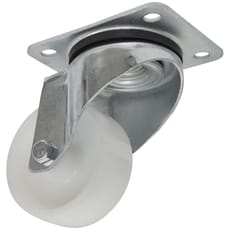
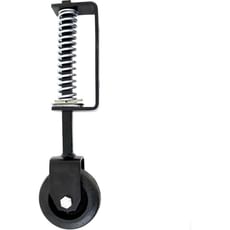
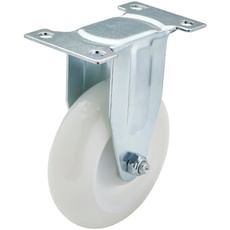
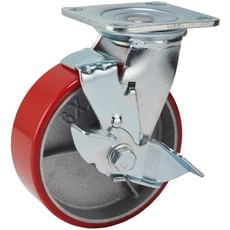
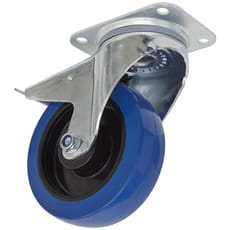
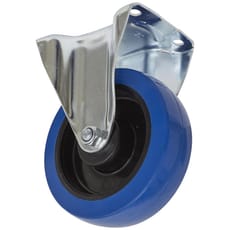
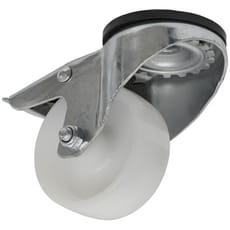
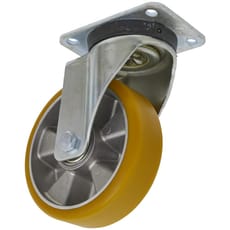
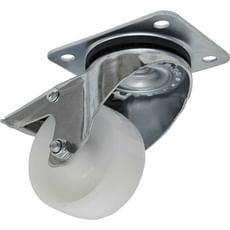
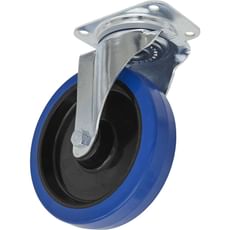
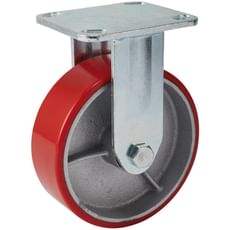
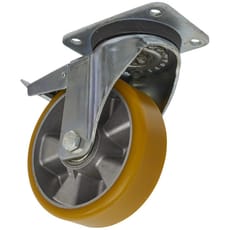
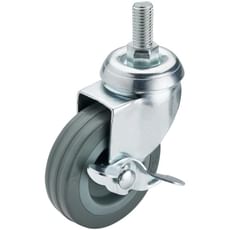
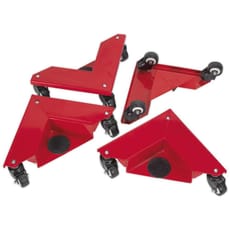
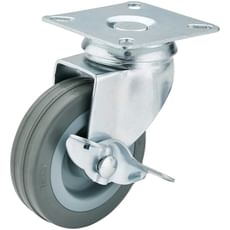
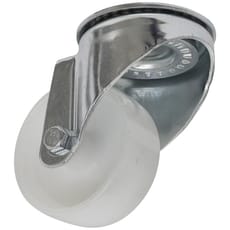
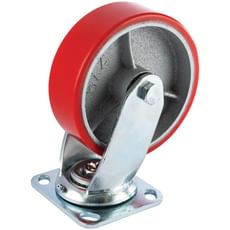
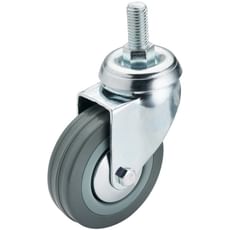
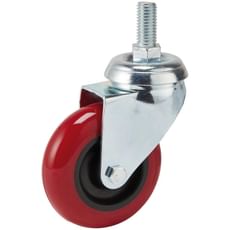
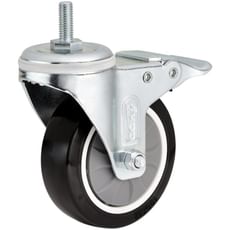
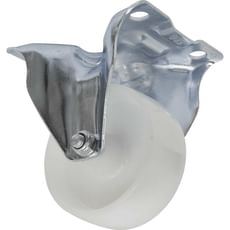
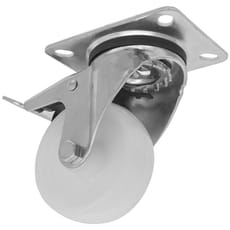
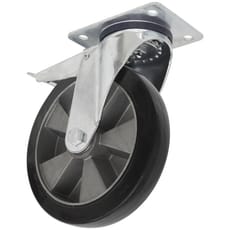
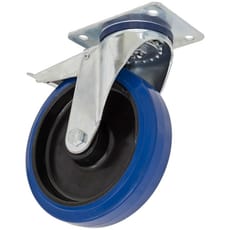
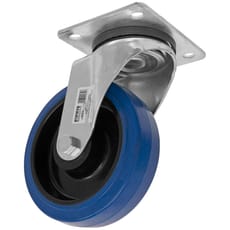
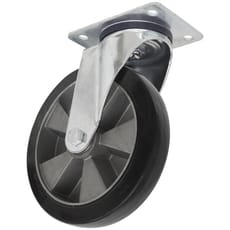
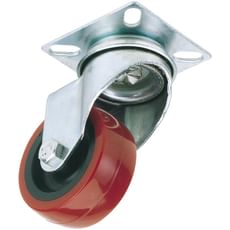
Sealey Heavy-Duty Blue Elastic Rubber Swivel Castor Wheel and Total Lock
available
 Loading...
End of content
Error - No more pages to load
About Wheels & Castors
Wheels and castors are essential mobility components that transform static equipment, furniture, and storage solutions into easily manoeuvrable assets across workshops, warehouses, industrial facilities, and commercial premises. From heavy-duty workshop trolleys and tool storage systems to equipment stands and material handling platforms, the right wheels and castors make all the difference to workplace efficiency and ergonomics. Whether you're fitting out a professional workshop, upgrading existing mobile equipment, or building custom material handling solutions, choosing appropriate wheels and castors ensures smooth movement, load stability, and long-term durability.
Castors typically feature a mounting plate or stem fitting with an integrated swivel mechanism, allowing 360-degree rotation for enhanced manoeuvrability in tight spaces. Fixed wheels, by contrast, provide directional stability and are often used in combination with swivel castors to balance control and turning capability. The variety available at Tooled-Up.com includes different wheel materials suited to various floor surfaces—from hard-wearing polyurethane and rubber for smooth concrete floors to softer elastomer compounds that protect delicate flooring in retail or office environments. Load capacity is a critical consideration, with options ranging from light-duty castors rated for 50kg per wheel up to industrial heavy-duty variants capable of supporting several hundred kilograms each.
Beyond basic mobility, modern castors incorporate features such as locking mechanisms (brake-activated or total lock variants), thread guards to prevent debris accumulation, and precision bearings for smooth rolling under load. The materials used in construction—whether pressed steel, stainless steel for corrosive environments, or reinforced nylon for chemical resistance—directly impact performance and longevity in different working conditions.
Jargon Buster
- Swivel Castor: A castor with a rotating top plate or stem assembly that allows the wheel to turn 360 degrees, providing maximum manoeuvrability and enabling equipment to change direction easily in confined spaces.
- Load Capacity: The maximum weight a single wheel or castor can safely support, typically expressed in kilograms. Total load capacity for equipment is calculated by combining the ratings of all wheels fitted, with a safety margin recommended.
- Wheel Tread: The outer material that makes contact with the floor surface. Common tread materials include polyurethane (hard-wearing, smooth-rolling), rubber (grip and floor protection), nylon (chemical resistant), and elastomeric compounds (noise reduction).
- Brake Mechanism: A locking device that prevents wheel rotation (directional lock) or both wheel rotation and swivel movement (total lock). Essential for securing mobile equipment during use or loading operations.
- Mounting Plate: The flat metal plate fixed to the top of a castor, drilled with holes for bolting to equipment. Standard plate dimensions typically measure 100mm x 75mm or similar, though heavy-duty variants may be larger.
- Wheel Diameter: The overall size of the wheel, measured in millimetres. Larger diameter wheels roll more easily over obstacles and uneven surfaces, whilst smaller wheels offer a lower profile and greater stability for lighter loads.
Who Uses Wheels & Castors?
- Manufacturing Engineers: Fitting production equipment, assembly jigs, and material transport trolleys with appropriate mobility solutions
- Workshop Fitters: Installing castors on tool storage systems, workbenches, welding equipment, and machinery stands
- Warehouse Operatives: Maintaining and upgrading material handling equipment, picking trolleys, and stock transport solutions
- Maintenance Technicians: Replacing worn castors on industrial equipment, cleaning machinery, and service carts
- Shopfitters: Fitting retail display units, point-of-sale stands, and merchandising equipment with suitable mobility components
- Facilities Managers: Specifying castors for cleaning equipment, catering trolleys, and mobile storage in commercial buildings
- DIY Enthusiasts: Building custom workshop storage solutions, mobile tool carts, and garage organisation systems
- Automotive Technicians: Fitting engine stands, transmission jacks, and rolling tool cabinets in vehicle workshops
How to Choose the Right Wheels & Castors
Calculate Total Load Capacity: Determine the maximum weight your equipment will carry, including any tools or materials, then divide by the number of castors to be fitted. Select castors with a load rating at least 25-30% higher than this calculated figure to provide a safety margin and account for uneven weight distribution.
Consider Floor Surface: Hard floors like polished concrete or epoxy coatings benefit from softer tread materials such as rubber or thermoplastic elastomer that provide cushioning and noise reduction. For rough surfaces or outdoor use, harder polyurethane or nylon wheels resist wear better. Delicate floors including timber, vinyl, or tiles require non-marking wheel materials specifically designed to prevent scuffing or damage.
Determine Wheel Size: Larger diameter wheels (100-150mm) roll more easily over cables, debris, and uneven surfaces, making them ideal for workshop floors or external use. Smaller wheels (50-75mm) suit lighter equipment where a low profile is beneficial, such as under-bench storage or compact tool boxes. The selection at Tooled-Up includes various diameter options to match specific applications.
Select Mounting Type: Top plate fixings provide the strongest attachment for heavy equipment and allow easy replacement. Threaded stem fittings suit furniture and lighter applications where drilling mounting holes isn't practical. Ensure mounting hole patterns and stem threads match your equipment specifications before purchasing.
Braking Requirements: Equipment that must remain stationary during use—such as work platforms, welding trolleys, or machine stands—requires at least two castors with effective brake mechanisms. Total lock brakes prevent both rolling and swivelling, providing maximum stability. For outdoor or site use, consider castors with robust brake pedals that can be operated whilst wearing safety footwear.
Environmental Factors: Corrosive environments, including food preparation areas or chemical stores, demand stainless steel construction and chemically resistant wheel treads. High-temperature applications near welding or heat treatment require specialist heat-resistant materials. Outdoor use necessitates corrosion protection and UV-resistant wheel compounds.
Popular Accessories
- Mounting Hardware: Bolts, washers, and lock nuts in appropriate lengths for securing castors to various equipment thicknesses
- Load Distribution Plates: Reinforcement plates that spread load forces across larger areas when fitting castors to thin metal or composite materials
- Wheel Bearings: Replacement precision bearings to restore smooth rolling performance to worn castors
- Thread Guards: Protective covers that prevent thread, wire, and debris from fouling wheel axles in textile or cable-intensive environments
- Castor Cups: Floor protection cups that sit beneath static equipment when wheels aren't required, preventing floor damage
- Levelling Feet: Adjustable feet used in combination with castors to provide stable, level positioning when equipment is stationary
- Tool Trolleys: Mobile workshop storage solutions from manufacturers including Milwaukee PACKOUT, DeWalt TSTAK, and Makita MakPac that utilise quality castor systems
Safety Information
Load Limits: Never exceed the stated load capacity of wheels or castors. Overloading can cause sudden failure, potentially resulting in equipment damage, material spillage, or personal injury. Factor in dynamic loads—equipment in motion experiences greater forces than when stationary, particularly when turning or traversing uneven surfaces.
Secure Fastening: Ensure all mounting bolts are tightened to appropriate torque specifications and check regularly for loosening due to vibration. Use lock washers or thread-locking compound on critical applications. Loose castors can detach unexpectedly, causing equipment to collapse.
Brake Engagement: Always engage brake mechanisms before loading or unloading mobile equipment, working on elevated platforms, or leaving equipment unattended on sloped surfaces. Test brake function regularly and replace worn brake pads or mechanisms promptly.
Floor Conditions: Clear debris, cables, and obstacles from travel paths before moving heavy equipment. Uneven floors or sudden obstacles can cause equipment to tip, particularly when loads are positioned high above the castor mounting points. Exercise particular caution on ramps or gradients.
Maintenance Inspections: Regularly inspect wheels for damage, flat spots, or excessive wear. Check swivel mechanisms for smooth operation and bearing condition. Replace damaged or worn castors immediately—compromised wheels can seize suddenly, causing equipment to veer unexpectedly or become difficult to control.
Frequently Asked Questions
What's the difference between a wheel and a castor?
A wheel is simply the rotating component that makes contact with the floor. A castor is a complete assembly incorporating the wheel, mounting bracket, and typically a swivel mechanism that allows the wheel to rotate directionally. Fixed wheels are often fitted directly to equipment frames, whilst castors provide enhanced manoeuvrability through their swivelling action. Most mobile workshop equipment uses a combination of swivel castors for turning and fixed wheels for directional stability.
How do I calculate what load capacity I need?
Add together the weight of the equipment itself plus the maximum load it will carry. Divide this total by the number of castors you'll fit, then add 25-30% as a safety margin. For example, a 200kg loaded tool cabinet on four castors requires at least 65kg capacity per castor (200kg ÷ 4 = 50kg, plus 30% = 65kg). Always round up to the next available capacity rating to ensure adequate strength.
Will rubber wheels mark my floor?
Quality non-marking rubber and elastomer wheel compounds are specifically formulated to prevent floor scuffing and are clearly labelled as such. Standard black rubber may leave marks on light-coloured floors, particularly under heavy loads or when equipment is turned sharply. For sensitive flooring, specify non-marking grey or tan-coloured compounds, or consider polyurethane wheels which naturally resist marking whilst providing excellent durability.
Can I fit castors to my existing tool chest or workbench?
Most equipment can be retrofitted with castors provided there's adequate structural strength at the mounting points and sufficient clearance beneath. Measure the available space, ensuring the installed height of the castor (including wheel diameter) doesn't cause problems with door clearances or bench height. For heavy tool storage, reinforce thin base panels with steel plate before fitting castor mounting plates to prevent flexing or pull-through under load.
Do I need brakes on all four castors?
Two braked castors are typically sufficient for most applications, usually fitted to either the same end or diagonally opposite corners. Having brakes on all castors provides maximum stability but isn't essential unless equipment is particularly tall, top-heavy, or will be positioned on sloped surfaces. For workshop tool storage and mobile workstations, two braked castors offer adequate security whilst keeping costs manageable.