

Window Locks

Pay in 3 interest-free payments on purchases from £20-£3000 with  . Learn more.
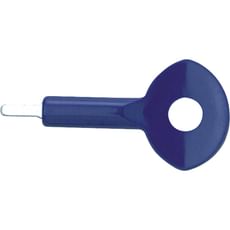
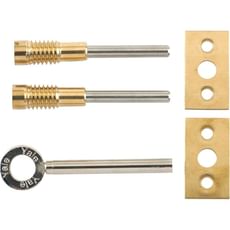
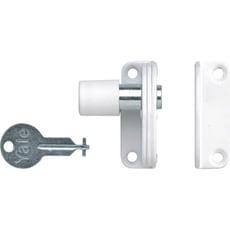
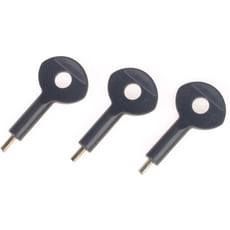
 Loading...
End of content
Error - No more pages to load
About Window Locks
Window locks are essential security devices designed to prevent unauthorised access through windows whilst also providing child safety and ventilation control. These compact yet robust mechanisms secure different window types including sash windows, casement windows, and PVCu frames, offering homeowners and businesses peace of mind against intruders. Modern window locks combine durability with ease of installation, typically requiring only basic tools and minimal DIY experience to fit effectively.
The range available at Tooled-Up.com encompasses various locking mechanisms suited to different window styles and security requirements. Sash window locks feature threaded barrels that fix into the inner frame, whilst surface-mounted latches provide quick-fit solutions for casement windows. Window stays and clamps offer additional security for hinged windows, and ventilation locks allow windows to remain partially open whilst maintaining security – particularly useful for upstairs rooms and occupied spaces requiring airflow.
Yale dominates the domestic and light commercial window lock market with proven designs that balance security, affordability, and reliability. From dual screw locks for traditional timber sash windows to specialised PVCu stops for modern double-glazed installations, these products meet British security standards whilst remaining straightforward to operate. Replacement keys are readily available, ensuring long-term usability even if original keys are misplaced.
Jargon Buster
- Sash Window Lock: A security device specifically designed for sliding sash windows, featuring a threaded barrel fixed into the inner frame with a key-operated bolt that secures the two window sections together.
- Window Stay Clamp: A locking mechanism that secures the stay arm of a casement or top-hung window, preventing the window from being opened further once the clamp is engaged.
- Ventilation Lock: A specialised window lock that allows the window to remain partially open (typically 100-150mm) for airflow whilst preventing further opening from outside, providing security and ventilation simultaneously.
- PVCu Window Stop: A lock designed specifically for plastic (PVCu/uPVC) window frames, accommodating the different fixing requirements and frame profiles of modern double-glazed windows.
- Surface-Mounted Latch: A window lock that fixes to the surface of the window frame rather than being morticed in, offering quick installation without requiring drilling through the frame thickness.
- Dual Screw Lock: A window lock featuring two threaded fixing screws for enhanced pull-out resistance, providing superior security against forced entry attempts.
Who Uses Window Locks?
Window locks are essential security products for a diverse range of users including:
- Homeowners upgrading residential security or replacing worn locks
- Landlords and letting agents ensuring rental properties meet insurance and safety requirements
- Property developers and house builders fitting out new residential developments
- Carpenters and joiners undertaking window installation or refurbishment work
- General builders and maintenance contractors providing security upgrades
- Facility managers responsible for commercial building security and compliance
- Social housing maintenance teams maintaining secure tenancies
- DIY enthusiasts improving home security or undertaking renovation projects
- Locksmiths offering window security assessments and installations
- Insurance loss adjusters specifying security improvements following break-ins
How to Choose the Right Window Locks
Selecting appropriate window locks depends on several key factors. Firstly, identify your window type – sash windows require different locks to casement windows, and PVCu frames need specialist fixings compared to timber frames. Measure the frame thickness and check whether surface-mounted or morticed locks are more suitable for your installation.
Consider your security requirements carefully. Ground floor and easily accessible windows demand higher security dual-screw or presslock designs, whilst upper floor windows might suit simpler latches. If you have young children, prioritise key-operated locks that prevent unsupervised window opening. For bedrooms and bathrooms, ventilation locks allow secure airflow without compromising safety.
Check compatibility with existing window furniture such as handles and stays. Many locks work alongside standard fittings, but some window configurations may require specific products. The Tooled-Up range includes replacement keys for common lock types, so consider standardising on one key type across multiple windows for convenience. Finish is also important – brass, white, and chrome options should match your existing window furniture for a cohesive appearance.
Verify that chosen locks meet relevant British Standards for your insurance requirements. Most household policies stipulate minimum window security standards, particularly for ground floor and accessible windows. Finally, consider ease of installation – most window locks require only a drill, screwdriver, and basic measuring skills, but some designs offer simpler fitting than others.
Popular Accessories
- Replacement window lock keys for various Yale models
- Hexagon keys for adjustment and installation of specific lock types
- Wood screws and PVCu fixings for secure mounting
- Pilot drill bits for accurate pre-drilling to prevent frame splitting
- Window lock multi-packs for securing multiple windows economically
- Security marking kits for property identification
- Window handle locks for additional casement window security
- Lock lubricants and maintenance sprays for smooth operation
Frequently Asked Questions
Can I fit window locks myself or do I need a professional?
Most window locks are designed for straightforward DIY installation requiring only a drill, screwdriver, pencil, and tape measure. Surface-mounted designs are particularly simple, whilst locks requiring deeper drilling may need more care. If you're uncomfortable drilling into window frames or working at height, consider hiring a carpenter or general builder.
Will window locks affect my home insurance?
Many insurance policies require locks on ground floor and accessible windows. Installing quality locks meeting British Standards often satisfies these requirements and may reduce premiums. Check your specific policy wording and ensure locks are engaged whenever the property is unoccupied.
What's the difference between sash locks and casement locks?
Sash locks secure sliding sash windows by locking the two sliding sections together using a threaded barrel and key-operated bolt. Casement locks secure hinged windows either by clamping the stay arm or by bolting the opening window to the fixed frame. The window type determines which lock design you require.
Are window locks child-safe?
Key-operated window locks provide excellent child safety by preventing windows from being opened without the key. Ventilation locks are particularly useful, allowing secure airflow whilst preventing children from opening windows wide enough to climb through. Always keep keys accessible to adults but out of children's reach.
How many locks does each window need?
For standard domestic windows, one quality lock typically provides adequate security. Larger windows, particularly those over 1 metre in height or width, benefit from two locks to prevent forcing. Ground floor and accessible windows warrant stronger dual-screw designs or multiple locks for enhanced protection.