

Window Scrapers
Pay in 3 interest-free payments on purchases from £30-2000 with  . Learn more.
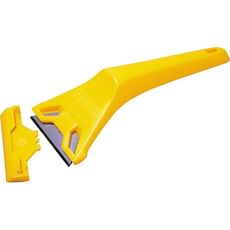
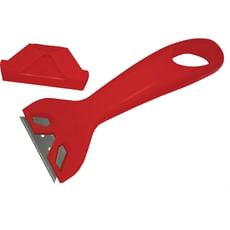
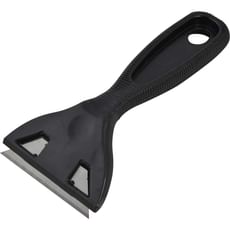
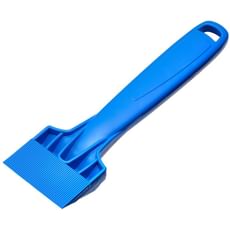
 Loading...
End of content
Error - No more pages to load
About Window Scrapers
Window scrapers are essential hand tools designed for the efficient removal of paint, adhesive residue, labels, and stubborn contaminants from glass surfaces. These versatile implements combine a sharp, replaceable blade with an ergonomic handle to provide controlled scraping action without damaging the underlying glass. Whether removing dried paint overspray from freshly fitted windows, stripping old vinyl graphics from shopfronts, or cleaning adhesive residue from vehicle windscreens, window scrapers deliver precise results that cleaning chemicals alone cannot achieve.
The selection at Tooled-Up.com includes both standard window scrapers with ergonomic handles and specialist glazing shovels designed for working with putty and glazing compounds. Most models feature stainless steel construction for corrosion resistance and accept standard replaceable blades, typically 38mm wide, which can be double-sided to extend working life. Premium models from brands like Draper, Stanley, and Faithfull offer refined features such as resin-grip handles for comfort during extended use and blade storage compartments integrated into the handle design.
Modern window scrapers have evolved beyond simple paint removal to become indispensable tools for glaziers, window fitters, sign writers, and automotive professionals. Heavy-duty ABS plastic glazing shovels complement metal scrapers by offering toe-and-heel glazing capabilities, whilst traditional metal scrapers excel at precision work on delicate glass surfaces. Many professional tradespeople keep multiple scrapers in their toolkit—one for heavy contamination removal and another with a fresh blade reserved for final finishing work on premium installations.
Jargon Buster
- Double-Sided Blade: A reversible scraper blade with cutting edges on both sides, allowing the user to flip the blade over when one edge becomes dull, effectively doubling the blade's working life before replacement is required.
- Glazing Shovel: A specialist scraper tool constructed from heavy-duty ABS plastic, designed specifically for applying and removing glazing putty and compounds without scratching glass or damaging delicate frames.
- Resin Handle: An ergonomic handle made from durable synthetic resin material that provides comfortable grip, resistance to solvents and chemicals, and reduces hand fatigue during extended scraping tasks.
- Stainless Steel Construction: Scraper bodies manufactured from corrosion-resistant stainless steel alloy, ensuring longevity even when exposed to moisture, cleaning chemicals, and outdoor conditions common in glazing work.
- Bonded Windscreen Removal: The process of removing adhesive-bonded automotive glass using specialist scrapers to cut through polyurethane sealants without damaging surrounding paintwork or trim.
- Toe-and-Heel Glazing: A traditional glazing technique using the angled edges (toe and heel) of a glazing shovel to apply, smooth, and finish putty around glass panes in timber or metal frames.
Who Uses Window Scrapers?
- Glaziers and Window Fitters: Professionals installing and repairing windows who require scrapers for putty work, sealant removal, and cleaning glass before final installation.
- Painters and Decorators: Tradespeople who need to remove paint overspray, masking tape residue, and splatter from windows following interior and exterior decorating work.
- Sign Writers and Graphics Installers: Specialists who apply and remove vinyl graphics, window films, and adhesive signage from glass shopfronts and vehicle windows.
- Automotive Technicians: Motor trade professionals removing bonded windscreens, cleaning glass surfaces, and preparing windows for tinting or replacement.
- Property Maintenance Teams: Facilities managers and maintenance staff responsible for keeping commercial buildings, schools, and public spaces presentable through regular glass cleaning and maintenance.
- Construction Workers: Site labourers and finishing trades who clean construction debris, plaster splashes, and protective film from newly installed windows on building projects.
- DIY Enthusiasts: Homeowners undertaking renovation projects, window restoration, or general maintenance who need effective tools for glass cleaning and preparation.
How to Choose the Right Window Scrapers
Blade Type and Size: Standard window scrapers accept 38mm wide blades, which provide an optimal balance between coverage and control. Consider models that accept double-sided blades to reduce consumable costs and minimise blade changes during large projects. Ensure replacement blades are readily available from Tooled-Up for your chosen model.
Handle Design and Comfort: Ergonomic resin handles significantly reduce hand fatigue during extended use. Look for contoured grips with finger grooves that accommodate different hand sizes. Professional-grade models often feature rubberised or textured surfaces that maintain grip even when wet or contaminated with cleaning products.
Material Construction: Stainless steel bodies offer superior durability and corrosion resistance for tools that frequently encounter moisture and cleaning chemicals. For glazing work involving putty application, heavy-duty ABS plastic shovels prevent glass scratching whilst providing the necessary rigidity for compound manipulation.
Blade Storage and Replacement: Integrated blade storage compartments within the handle keep spare blades readily accessible on-site. Quick-release blade mechanisms allow rapid replacement without tools, maintaining workflow efficiency on busy installations. Consider purchasing scraper sets that include multiple spare blades to ensure continuous operation.
Application Specificity: Match the tool to your primary application—precision scrapers with narrow profiles suit detailed work around window frames and beading, whilst wider-bladed models accelerate paint removal from large glass panels. Automotive specialists should prioritise scrapers explicitly rated for bonded windscreen work to ensure adequate blade strength.
Brand Reputation: Established manufacturers like Draper, Stanley, and Faithfull produce window scrapers with consistent quality control and reliable blade compatibility. Expert Quality designations indicate enhanced materials and construction suitable for professional trade use where tool failure could compromise project timelines.
Popular Accessories
- Replacement Scraper Blades: Packs of double-sided 38mm blades compatible with standard window scrapers, available in various quantities for professional users requiring regular blade rotation.
- Blade Disposal Containers: Safe storage tins for used scraper blades, ensuring compliant disposal and preventing injury from loose blades in toolboxes or site waste.
- Glass Cleaning Solutions: Specialist detergents and solvents that soften adhesive residues and paint prior to scraping, reducing effort and minimising scratch risk.
- Microfibre Cloths: Lint-free cleaning cloths for final glass polishing following scraper use, removing any remaining residue and achieving streak-free finishes.
- Putty Knives: Complementary tools for glaziers working with traditional putty, offering different blade profiles for various glazing techniques.
- Protective Gloves: Cut-resistant work gloves providing hand protection when handling sharp scraper blades and broken glass during window maintenance work.
- Kneeling Pads: Foam or gel cushions for comfort during extended glazing and scraping sessions at low-level windows and skirting areas.
Safety Information
Blade Handling Precautions: Window scraper blades are extremely sharp and can cause severe lacerations. Always handle blades by their blunt edges when installing or removing them from scrapers. Never attempt to catch a falling scraper, and always work with the blade directed away from your body and other persons.
Eye Protection: Wear appropriate safety spectacles or goggles when scraping painted or contaminated glass surfaces. Dried paint chips and adhesive fragments can become airborne during removal and cause eye injuries. This is particularly important when working overhead or scraping above shoulder height.
Glass Inspection: Before scraping any glass surface, inspect for existing cracks, chips, or structural damage. Applying pressure with a scraper blade to compromised glass can cause sudden failure, resulting in cuts from sharp edges or falling fragments.
Blade Disposal: Used scraper blades constitute sharp waste and must be disposed of safely. Use dedicated sharps containers or securely wrap blunt blades in heavy-duty tape before disposal. Never place loose blades in general waste bins where they pose injury risks to waste handlers.
Chemical Compatibility: When using window scrapers in conjunction with paint removers, solvents, or cleaning chemicals, ensure adequate ventilation and consult COSHH guidelines. Wear appropriate protective gloves as chemicals may be absorbed through skin contact or cause dermatitis with repeated exposure.
Frequently Asked Questions
Can window scrapers be used on surfaces other than glass?
Whilst primarily designed for glass, window scrapers can effectively remove adhesive residues and labels from ceramic tiles, sealed stone worktops, and glazed surfaces. However, avoid using them on acrylic, polycarbonate, or plastic glazing as the metal blade will cause permanent scratching. Always test in an inconspicuous area first on unfamiliar surfaces.
How often should scraper blades be replaced?
Replace blades when you notice reduced cutting efficiency, requiring increased pressure to remove contaminants. Professional glaziers typically rotate to a fresh blade edge after every major job to maintain optimal performance. Double-sided blades should be flipped when the working edge dulls, then replaced when both edges lose effectiveness. Blunt blades increase the risk of slipping and glass damage.
What's the difference between a window scraper and a glazing shovel?
Window scrapers feature metal blades designed for removing dried paint, adhesives, and contaminants from glass surfaces through a cutting action. Glazing shovels are constructed from ABS plastic and shaped for applying, smoothing, and removing glazing putty and compounds without scratching glass or frames. Many professional glaziers carry both tools as they serve complementary functions in window installation and maintenance.
Will scraping damage toughened or laminated glass?
When used correctly with sharp blades at the proper angle (typically 30-45 degrees), window scrapers will not damage properly manufactured toughened or laminated glass. However, excessive pressure or using worn blades that require forcing can cause scratching. Always maintain light, consistent pressure and let the blade do the work. If uncertain, test on an edge area before proceeding across the main glass surface.
Are window scrapers suitable for removing window film or tinting?
Yes, window scrapers excel at removing old window films, tints, and security glazing after the adhesive has been softened with appropriate solvents or heat. Work systematically from one edge, keeping the blade as parallel to the glass surface as possible to avoid digging in. For large areas, consider using a wider-bladed scraper to improve efficiency and reduce the time spent on film removal projects.