

Window Trowels

Pay in 3 interest-free payments on purchases from £20-£3000 with  . Learn more.
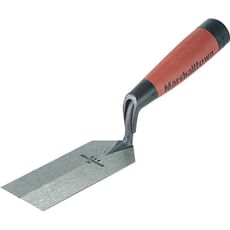
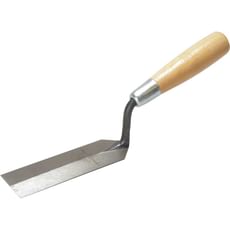
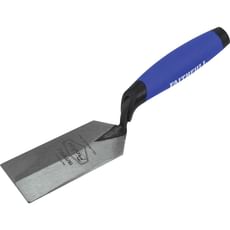
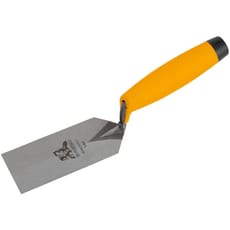
Loading...
End of content
Error - No more pages to load
About Window Trowels
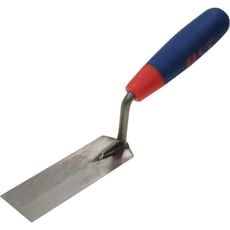
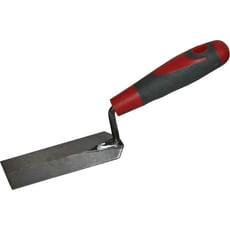
Window trowels, also commonly referred to as margin trowels, are essential hand tools designed for precision plastering, pointing and finishing work in confined spaces. These compact trowels feature narrow, rectangular blades typically ranging from 100mm to 150mm in length, making them ideal for working around window frames, door casings, skirting boards and other tight areas where standard-sized trowels cannot reach. The slim profile allows tradespeople to apply and smooth plaster, mortar or render with accuracy in restricted spaces whilst maintaining excellent control.
The selection available from Tooled-Up.com includes window trowels from trusted manufacturers such as Marshalltown, Faithfull, RST and Vitrex, each offering different handle designs and blade specifications to suit various applications and user preferences. Quality window trowels feature blades forged from chrome vanadium steel or similar high-carbon materials, which are taper ground to provide both strength and the necessary flexibility for achieving smooth finishes. Many models incorporate soft-grip or ergonomic handles that reduce hand fatigue during extended use, whilst high-lift handle designs ensure adequate knuckle clearance when working on flat surfaces.
Whether you're a professional plasterer requiring a robust tool for daily site work or a DIY enthusiast tackling home renovation projects, a reliable window trowel is indispensable for detail work, patching repairs and finishing touches around architectural features. The compact nature of these tools makes them equally valuable for pointing brickwork in tight spots, applying adhesive for tiling projects, and spreading filler in confined areas where precision is paramount.
Jargon Buster
- Taper Ground: A blade manufacturing process where the steel is ground thinner towards the edges, creating flexibility whilst maintaining strength at the centre. This allows for better control and smoother finishing.
- Tang: The portion of the blade that extends into the handle. A full tang construction, where metal runs through the entire handle length, provides superior durability and balance.
- High-Lift Handle: A handle design that sits higher above the blade surface, providing clearance for knuckles when working flat against walls or floors, reducing scraped knuckles and improving comfort.
- Chrome Vanadium Steel: An alloy steel containing chromium and vanadium that offers excellent durability, corrosion resistance and the right balance of hardness and flexibility for trowel blades.
- Margin Trowel: An alternative name for window trowels, derived from their use in working margins and edges where full-sized trowels cannot fit.
- DuraSoft/Soft Grip Handle: Ergonomic handle construction featuring cushioned materials that provide comfortable grip, reduce vibration and minimise hand fatigue during prolonged use.
Who Uses Window Trowels?
- Plasterers – for detail work around windows, doors and architectural features
- Bricklayers – for pointing in confined spaces and touching up mortar joints
- Tilers – for applying adhesive in tight corners and around obstacles
- General Builders – for patching work and repairs in restricted areas
- Decorators – for filling and smoothing surfaces before painting
- Stonemasons – for precision mortar application in restoration work
- Maintenance Teams – for property repair and renovation projects
- DIY Enthusiasts – for home improvement and renovation tasks
- Heritage Restoration Specialists – for detailed conservation work
How to Choose the Right Window Trowels
Blade Size: Consider the typical spaces you'll be working in. Blades measuring 125 x 50mm (5 x 2 inches) represent the most versatile size, whilst smaller blades around 100mm suit extremely tight spots. Larger margin trowels up to 150mm work well for slightly more open areas whilst still offering better control than full-sized trowels.
Blade Material: Chrome vanadium steel offers the best combination of flexibility and durability for professional use. Look for taper ground blades which provide the right amount of flex for achieving smooth finishes without compromising strength. Stainless steel blades resist corrosion when working with lime-based materials.
Handle Design: Soft-grip handles with ergonomic shaping reduce hand fatigue during extended use, particularly important for professional tradespeople. High-lift handle designs prevent knuckle scraping when working flat surfaces. Consider handle length and thickness to ensure comfortable grip for your hand size.
Build Quality: The selection at Tooled-Up features professional-grade tools from manufacturers like Marshalltown and Faithfull, known for robust construction. Check for solid tang construction where the blade extends through the handle, ensuring longevity under demanding site conditions. Some premium ranges offer extended guarantees, with Faithfull Prestige models backed by 10-year warranties.
Intended Use: For daily professional use, invest in premium models with superior materials and construction. DIY users completing occasional projects may find mid-range options perfectly adequate. Consider whether you need multiple sizes for different applications or a single versatile option.
Popular Accessories
- Plastering Trowels – full-sized finishing trowels for larger surface areas
- Bucket Trowels – for scooping and transferring materials
- Hawks – handheld platforms for holding plaster or mortar whilst working
- Mixing Paddles – for preparing plaster, render and mortar to correct consistency
- Corner Trowels – for finishing internal and external angles
- Sponge Floats – for texturing and smoothing plaster surfaces
- Gauging Trowels – for mixing small quantities of materials
- Tool Cleaning Brushes – for maintaining trowels and extending blade life
- Knee Pads – for comfort during floor-level detail work
- Tool Bags and Belts – for organised tool storage and easy access on site
Frequently Asked Questions
What's the difference between a window trowel and a margin trowel?
These terms refer to the same tool. "Margin trowel" is the traditional trade name, whilst "window trowel" describes its primary application. Both describe narrow, rectangular trowels designed for working in confined spaces around windows, doors and architectural details.
How do I maintain my window trowel?
Clean the blade thoroughly after each use, removing all plaster or mortar residue before it hardens. Wipe the blade with an oily cloth to prevent rust on carbon steel blades. Store in a dry location and avoid leaving the tool in water or damp conditions. Regular maintenance extends blade life significantly and maintains smooth finishing performance.
Can I use a window trowel for other tasks besides plastering?
Absolutely. Window trowels are versatile tools suitable for applying tile adhesive, spreading filler, mixing small quantities of materials, pointing brickwork, applying render in tight spots, and various patching and repair tasks. Their compact size makes them invaluable for numerous precision applications across different trades.
What blade size should I choose as a beginner?
A 125 x 50mm (5 x 2 inch) blade represents the most versatile size for general use, offering good coverage whilst remaining manoeuvrable in restricted spaces. This size handles most common applications around windows, doors and skirting boards effectively, making it an ideal starting point before expanding your toolkit with specialist sizes.
Are soft-grip handles worth the extra cost?
For regular use, soft-grip handles significantly reduce hand fatigue and improve comfort during extended working periods. Professional tradespeople generally find the investment worthwhile as it enhances control and reduces strain. For occasional DIY use, standard handles may prove adequate, though ergonomic designs still offer noticeable comfort benefits even during shorter projects.