

Windscreen Tools

Pay in 3 interest-free payments on purchases from £20-£3000 with  . Learn more.
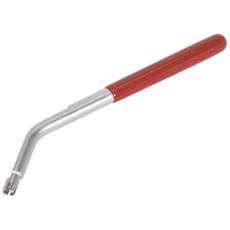
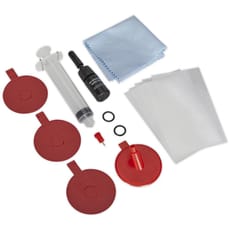
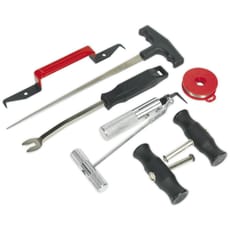
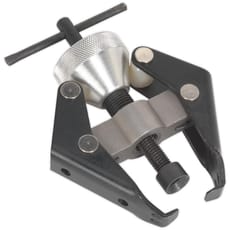
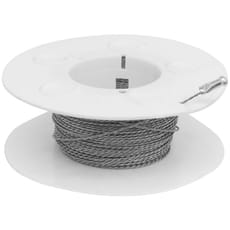
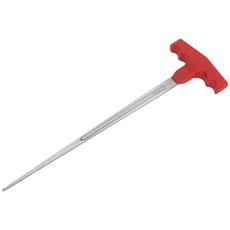
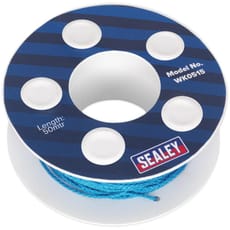
 Loading...
End of content
Error - No more pages to load
About Windscreen Tools
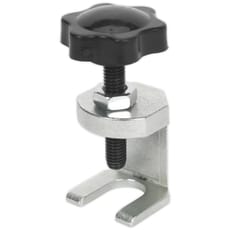
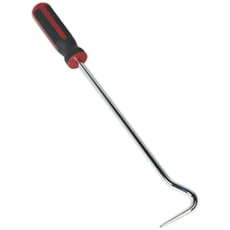
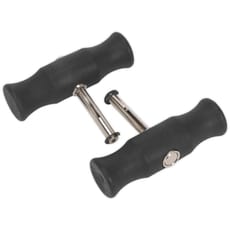
Windscreen tools are specialised instruments designed for the professional removal, installation, and maintenance of vehicle windscreens and glazing. Whether you're an automotive glazier, bodyshop technician, or mobile windscreen fitter, having the right tools makes the difference between a clean, efficient job and potential damage to costly glass or vehicle bodywork. This comprehensive category includes everything from cutting wires and removal blades to installation kits, wiper arm pullers, and washer jet cleaning tools.
Modern bonded windscreens require precision tools to cut through adhesive without damaging the glass or surrounding paintwork. The range at Tooled-Up.com features professional-grade equipment from trusted brands including Sealey, Draper, and Expert by Facom, covering both removal and installation tasks. From simple wiper arm removal tools for quick maintenance jobs to complete 7-piece removal kits for full windscreen replacement, these tools are engineered to make automotive glazing work safer, faster, and more professional.
Beyond removal and installation, this category also includes essential maintenance tools such as washer jet cleaning implements and various cutting wire options including braided and square wire configurations. Whether you're running a busy bodyshop, operating a mobile fitting service, or working in vehicle recovery, quality windscreen tools reduce working time, minimise the risk of breakage, and ensure professional results that meet insurance and safety standards.
Jargon Buster
- Bonded Windscreen
- A windscreen that is adhesively bonded to the vehicle frame using polyurethane sealant, rather than held by rubber gaskets. This is the standard fitting method for most modern vehicles since the 1990s and requires specialised cutting tools for removal.
- Cold Knife/Cold Cutting Tool
- A tool designed to cut through windscreen gaskets or adhesive without generating heat, reducing the risk of glass breakage or damage to surrounding trim and paintwork during removal.
- Cutting Wire (Braided/Square)
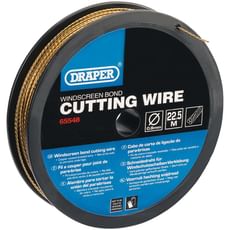
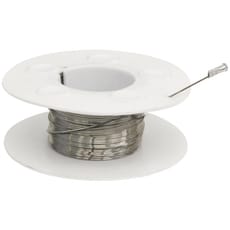
- Specialised wire used with wire feeders to cut through polyurethane adhesive. Braided wire is twisted for flexibility, while square wire offers more aggressive cutting for thicker adhesive beads.
- Wire Feeder
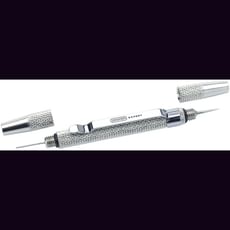
- A tool that holds and feeds cutting wire around the windscreen perimeter, allowing controlled cutting of the adhesive bond from inside or outside the vehicle.
- Wiper Arm Puller
- A mechanical tool designed to safely remove windscreen wiper arms from their spindles without damaging the bonnet, paintwork, or the wiper mechanism itself.
- Dam/Damming
- The process of applying adhesive around the windscreen aperture to create a sealed bond. Proper damming tools ensure consistent bead thickness and professional installation.
Who Uses Windscreen Tools?
- Automotive Glaziers – specialists in vehicle glass replacement and repair
- Mobile Windscreen Fitters – technicians providing on-site glass replacement services
- Bodyshop Technicians – professionals carrying out accident repair work involving glass replacement
- Vehicle Recovery Specialists – operatives needing to remove damaged windscreens after collisions
- Fleet Maintenance Teams – in-house technicians maintaining company vehicle fleets
- Motor Vehicle Mechanics – garages offering windscreen services alongside general repairs
- Agricultural and Plant Engineers – technicians working on heavy machinery with cab glazing
- Classic Car Restorers – enthusiasts and professionals working with rubber-gasket fitted screens
- Caravan and Motorhome Technicians – specialists in leisure vehicle maintenance and repair
How to Choose the Right Windscreen Tools
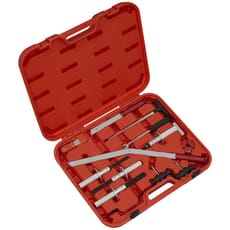
Job Type and Frequency: If you're running a professional glazing business, invest in comprehensive kits like the Sealey 7-piece removal kit and 6-piece installation kit that cover all scenarios. For occasional work or mobile fitting, focused tools like bonded windscreen removal tools and wiper arm pullers may suffice.
Vehicle Types: Consider the vehicles you work with most frequently. Modern bonded windscreens require different tools than older gasket-fitted screens. Heavy-duty pullers are essential for commercial vehicles with stubborn wiper arms, while delicate tools suit prestige vehicles where paintwork protection is paramount.
Wire Type Selection: Braided cutting wire offers flexibility for tight curves and is less likely to snap, making it ideal for complex screen shapes. Square wire cuts more aggressively through thick adhesive beads found on commercial vehicles and older installations. Stock both types for versatility.
Quality and Durability: Professional brands like Sealey, Draper, and Expert by Facom offer reliability essential for trade use. Stainless steel components resist corrosion from cleaning chemicals and weather exposure, particularly important for mobile fitters working outdoors.
Kit vs Individual Tools: Starter kits provide excellent value and ensure you have complementary tools that work together. As your business grows, supplement with specialist items like washer jet cleaning tools, additional blade types, or heavy-duty pullers for specific applications.
Handle Ergonomics: Tools like removal blades and cold knives see extended use during single jobs. Ergonomic handles reduce hand fatigue and improve control, leading to cleaner cuts and reduced risk of slippage that could damage glass or trim.
Popular Accessories
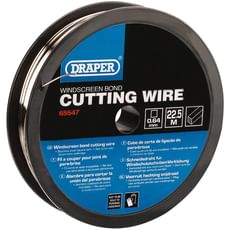
- Replacement cutting wire spools – both braided and square configurations in various lengths
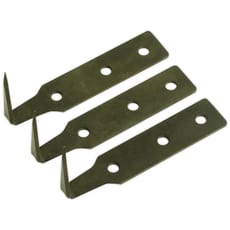
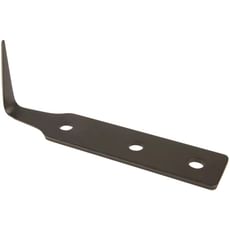
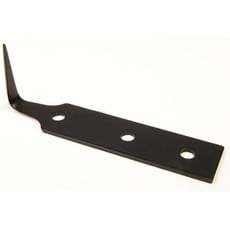
- Spare removal tool blades – 25mm and other widths for different adhesive thicknesses
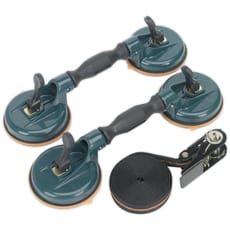
- Windscreen suction cups – for safe handling and positioning during installation
- Adhesive primers and activators – for proper bonding preparation
- Polyurethane adhesive cartridges – professional-grade windscreen sealants
- Cartridge guns – for controlled adhesive application
- Trim removal tools – for accessing windscreen edges without damaging interior trim
- Protection film and masking tape – to protect paintwork and interior during work
- Cutting mats and knee pads – for working comfort on interior trim
- Workshop lighting and inspection lamps – for identifying adhesive lines and ensuring clean cuts
Safety Information
Personal Protective Equipment: Always wear safety glasses or a face shield when cutting windscreens, as the wire can cause adhesive particles and debris to flick towards your face. Cut-resistant gloves protect against sharp cutting wire and broken glass edges. Long sleeves prevent cuts from wire snapping or glass fragments.
Wire Handling: Cutting wire under tension can snap suddenly, causing injury. Maintain controlled tension and keep your face and body clear of the wire path. Dispose of used wire safely to prevent injuries to colleagues or customers. Check wire for damage before use and replace immediately if frayed or kinked.
Glass Handling: Windscreen glass, particularly when cracked or partially removed, can have extremely sharp edges. Use proper suction cup handlers rather than gripping edges directly. Always have a clear path planned for glass removal and ensure adequate personnel for larger commercial vehicle screens.
Chemical Awareness: Windscreen adhesives and primers contain chemicals that require adequate ventilation. Follow COSHH guidelines and manufacturers' safety data sheets. Avoid skin contact with uncured adhesives and wash immediately if contact occurs.
Vehicle Stability: Ensure vehicles are on level ground with parking brakes applied before starting removal work. Never work beneath unsupported glass. Follow HSE guidance for working at height when dealing with commercial vehicles, caravans, or plant machinery.
Frequently Asked Questions
Can I use the same tools for both bonded and gasket-fitted windscreens?
No, these require different approaches. Bonded windscreens need cutting wire or specialised removal blades to cut through polyurethane adhesive, whilst gasket-fitted screens (common on older and classic vehicles) require cold cutting gasket tools or simple prying implements. The Expert by Facom cold cutting gasket tool is specifically designed for rubber gasket removal without damaging the glass or frame.
How often should I replace cutting wire?
Cutting wire should be replaced for each windscreen removal job. Used wire becomes weakened, frayed, and contaminated with adhesive residue, making it more likely to snap mid-job. This could damage the glass you're trying to salvage or cause injury. Keep spare spools of both braided and square wire readily available from Tooled-Up.com.
What's the difference between standard and heavy-duty wiper arm pullers?
Heavy-duty pullers feature stronger construction and greater leverage capacity for removing seized or corroded wiper arms commonly found on commercial vehicles, agricultural machinery, or older vehicles. Standard pullers suit routine removal on cars and light vans. The Sealey heavy-duty version is essential if you regularly work on fleet vehicles or older machinery where wiper arms haven't been removed for years.
Do I need different tools for rear screens and quarter lights?
The same removal principles apply, but smaller glass areas may benefit from shorter cutting wire sections and more compact tools for better access in confined spaces. Quarter lights in particular often have limited working room, so shorter handled tools and careful wire positioning are essential to avoid interior trim damage.
Are windscreen tool kits suitable for beginners or only professionals?
Quality tool kits from brands like Sealey and Draper are designed for professional use but are equally valuable for anyone learning windscreen fitting. The comprehensive kits include all essential tools needed to complete jobs properly from the start, eliminating guesswork about which implements you need. However, proper training in windscreen removal and installation techniques is essential before attempting this work, as incorrect procedures can result in glass breakage, leaks, or compromised structural integrity.