

Wire Cup Brushes
Pay in 3 interest-free payments on purchases from £30-2000 with  . Learn more.
 Loading...
End of content
Error - No more pages to load
About Wire Cup Brushes
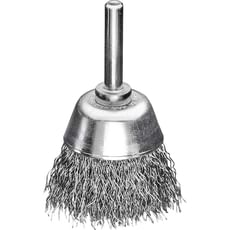
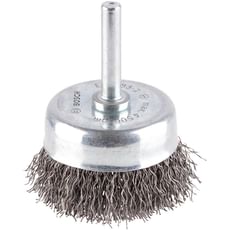
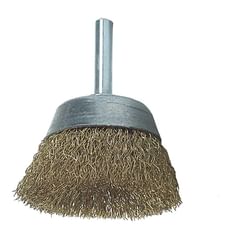
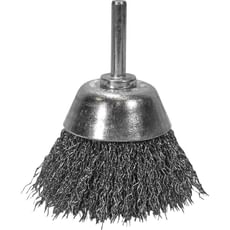
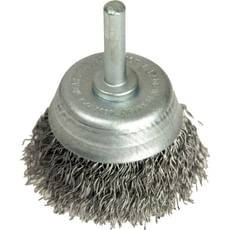
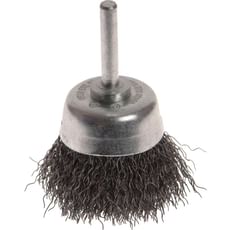
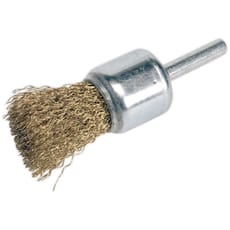
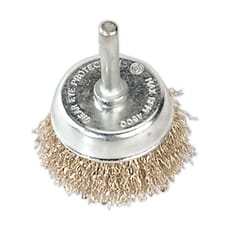
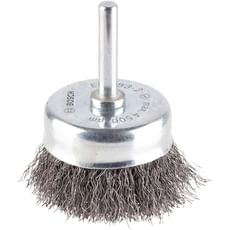
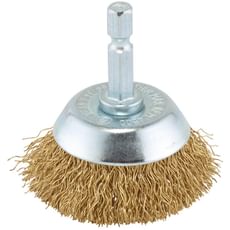
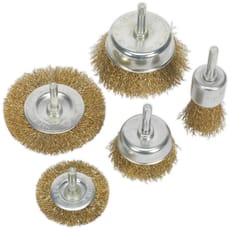
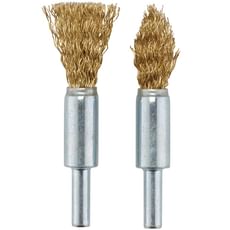
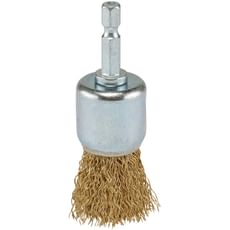
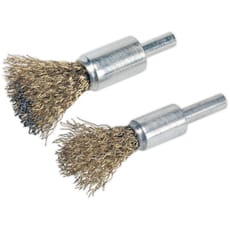
Wire cup brushes are essential rotary attachments designed for heavy-duty surface preparation, cleaning, and finishing tasks across metal, wood, and composite materials. Unlike traditional hand-held wire brushes, cup brushes mount directly onto angle grinders or drill attachments, delivering significantly more aggressive cleaning power and faster material removal. The cup-shaped configuration allows the wire filaments to work perpendicular to the surface, making them particularly effective for large, flat areas where maximum contact and productivity are required.
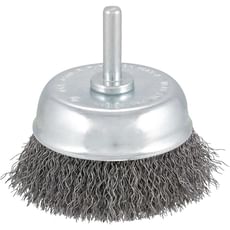
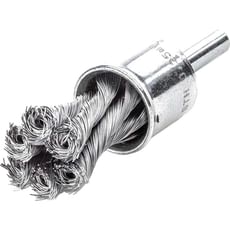
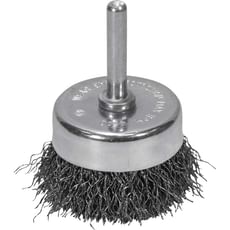
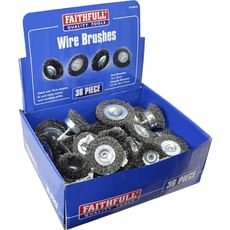
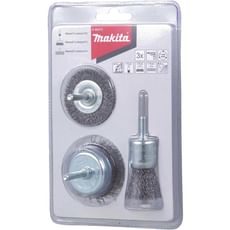
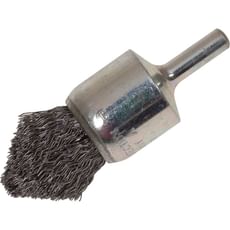
Tooled-Up.com stocks a comprehensive selection of wire cup brushes from trusted brands including Bosch Professional, Lessmann, Sealey, Draper, Faithfull, Makita, and Stanley. These brushes are available in various wire materials—including standard steel, stainless steel (inox), and brass—each suited to different applications and substrates. Wire configurations vary between crimped and knotted designs, with crimped wire brushes offering flexibility for lighter cleaning tasks and knotted varieties providing aggressive material removal for heavy rust, paint, and scale elimination.
Most wire cup brushes feature either threaded arbor fittings (typically M14 thread for angle grinders) or straight shank designs for use with electric drills and die grinders. Wire thickness ranges from fine 0.2mm filaments for delicate surface preparation through to robust 0.35mm and thicker wires for demanding industrial applications. Understanding the differences between wire types, configurations, and mounting options is essential for selecting the right brush for your specific cleaning or preparation task.
Jargon Buster
- Crimped Wire
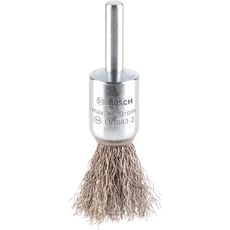
- Fine wire filaments with a wave-like crimp along their length, providing flexibility and a less aggressive cleaning action. Ideal for surface preparation, light rust removal, and working into recesses without excessive scratching.
- Knotted Wire (Twisted Knot)
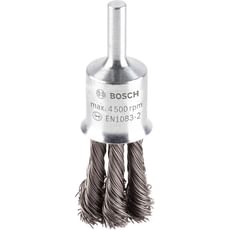
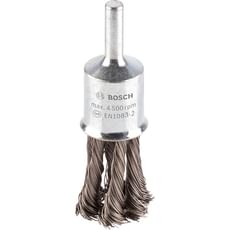
- Thicker gauge wires twisted together in tight bunches, creating an aggressive cutting action. These brushes remove material quickly but leave visible scratches, making them suitable for heavy-duty cleaning where surface finish is less critical.
- Inox (Stainless Steel Wire)
- Wire brushes manufactured from stainless steel specifically for use on stainless steel surfaces. Using standard carbon steel brushes on stainless steel causes cross-contamination, leading to rust spots and corrosion.
- Maximum RPM Rating
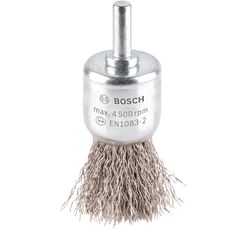
- The highest rotational speed at which a wire brush can be safely operated, typically expressed in revolutions per minute. Exceeding this speed can cause wire filaments to break free and become dangerous projectiles.
- Arbor Fitting
- The threaded mounting system (usually M14 x 2.0mm in the UK) that allows cup brushes to attach securely to angle grinders and other power tools. Some brushes use backing pads with straight shanks for drill mounting.
- Brass-Coated Wire
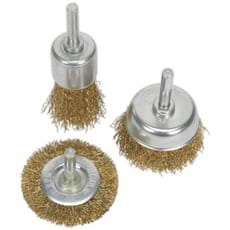
- Steel wire filaments with a brass coating that reduces friction and heat generation whilst preventing rust contamination on sensitive surfaces. Commonly used for decarbonising engine components and automotive applications.
Who Uses Wire Cup Brushes?
- Welders and Fabricators – cleaning weld seams, removing mill scale, and preparing metal surfaces before welding or coating
- Automotive Mechanics – decarbonising engine components, removing gasket material, cleaning brake callipers and suspension parts
- Metal Workers and Engineers – deburring machined parts, surface finishing, and removing oxidation from steel and aluminium
- Construction and Demolition Workers – stripping paint from structural steel, cleaning reinforcement bar, and removing concrete residue from tools
- Maintenance Engineers – cleaning industrial equipment, removing rust from machinery, and preparing surfaces for lubrication or inspection
- Ship and Marine Engineers – removing corrosion from steel hulls, cleaning deck fittings, and maintaining marine equipment
- Restoration Specialists – cleaning antique metalwork, removing old paint layers, and preparing surfaces for refinishing
- DIY Enthusiasts – tackling renovation projects, restoring garden tools, and maintaining workshop equipment
How to Choose the Right Wire Cup Brushes
Wire Material Selection: Match the wire material to your workpiece. Standard steel wire suits general metalwork and paint removal. Stainless steel (inox) wire is essential when working on stainless steel to prevent contamination and rust spots. Brass or brass-coated wire is softer and ideal for aluminium, copper, sensitive surfaces, and decarbonising applications where metal contamination must be avoided.
Wire Configuration: Crimped wire brushes provide moderate cleaning action with flexibility, making them suitable for surface preparation, light rust removal, and working into irregular surfaces without excessive material removal. Knotted wire brushes are far more aggressive, quickly removing heavy rust, thick paint, and stubborn scale, but they will scratch softer metals and leave visible marks on the surface.
Wire Thickness: Finer wires (0.2mm to 0.3mm) offer flexibility and produce a smoother finish, whilst thicker wires (0.35mm and above) provide more aggressive cutting action and longer service life under demanding conditions. Consider the balance between cleaning power and surface finish quality required for your application.
Mounting Compatibility: Available at Tooled-Up.com are brushes with M14 threaded arbors for direct mounting to angle grinders, which is the most common configuration for professional use. Straight shank versions fit drill chucks and die grinders for tighter spaces and lower-speed applications. Always verify the fitting type matches your power tool before purchasing.
Diameter and Speed Rating: Cup brush diameters typically range from 50mm to 100mm or larger. Larger brushes cover more area but require more powerful tools and generate higher wire tip speeds. Always check that your power tool's operating speed does not exceed the brush's maximum RPM rating—this is a critical safety consideration.
Brand Quality: Professional brands like Bosch Professional, Lessmann, and Makita offer consistent wire quality, accurate speed ratings, and reliable performance. Budget options may use lower grade wire that breaks prematurely or inconsistent crimping that affects cleaning performance.
Popular Accessories
- Angle Grinders (240v and Cordless) – the primary power tool for operating wire cup brushes, available from brands like Makita, DeWalt, Milwaukee, and Bosch
- Backing Flanges and Locking Nuts – secure mounting hardware to prevent brushes from loosening during operation
- Wire Wheel Brushes – complementary brushes for edge work and cylindrical surfaces where cup brushes cannot reach
- Flap Discs and Sanding Discs – for smoothing surfaces after aggressive wire brush cleaning
- Cutting and Grinding Discs – complete metalworking solutions when used alongside wire cup brushes
- Safety Visors and Face Shields – essential PPE for protecting against flying wire fragments and debris
- Heavy-Duty Work Gloves – leather or reinforced gloves to protect hands from wire punctures and abrasion
- Dust Extraction Attachments – for grinders when working indoors or in confined spaces to control dust and debris
Safety Information
Speed Rating Compliance: Every wire cup brush has a maximum RPM rating stamped on the backing plate or packaging. Never exceed this speed, as centrifugal force can cause wires to break free and become dangerous projectiles. Always check your power tool's no-load speed matches the brush specification.
Personal Protective Equipment: Eye protection is absolutely essential—safety glasses provide minimum protection, but a full face shield is strongly recommended. Wire fragments can travel at high velocity and penetrate exposed skin. Wear long sleeves, heavy-duty gloves, and closed-toe safety boots. Consider respiratory protection when removing paint, rust, or working with materials that generate fine dust.
Secure Workpiece: Always clamp or secure the workpiece before starting. Never hold small items by hand whilst using a wire cup brush on an angle grinder—the aggressive action can cause the workpiece to spin or be torn from your grip.
Direction of Rotation: Position yourself so that debris and wire fragments are thrown away from your body. Never work with the grinder positioned such that debris is directed towards you or other personnel.
Inspect Before Use: Check the brush for damaged or loose wires before mounting. Inspect the arbor thread and mounting flange for damage. Never use a brush that shows signs of wear beyond the manufacturer's guidelines or has been dropped from height.
HSE Guidance: The Health and Safety Executive provides guidance on the safe use of abrasive wheels and wire brushes. Employers must ensure operators are properly trained, and risk assessments should be conducted for all grinding operations in accordance with COSHH regulations.
Frequently Asked Questions
What's the difference between a wire cup brush and a wire wheel brush?
Wire cup brushes have wires arranged perpendicular to the mounting plate, creating a cup shape ideal for flat surface work with maximum wire contact. Wire wheel brushes have wires radiating outward from a central hub, making them better suited for edge work, cylindrical surfaces, and getting into corners. Cup brushes are generally more aggressive for large flat areas, whilst wheel brushes excel at detail work and curved surfaces.
Can I use a standard wire cup brush on stainless steel?
No—using carbon steel wire brushes on stainless steel causes cross-contamination. Tiny steel particles become embedded in the stainless steel surface and will rust, creating unsightly brown spots and compromising corrosion resistance. Always use stainless steel (inox) wire brushes when working on stainless steel surfaces to maintain the material's protective properties.
Why does my wire cup brush lose wires so quickly?
Wire loss occurs naturally during use, but excessive wire shedding usually indicates operating speed is too high, you're applying excessive pressure, or the brush quality is poor. Check your grinder's RPM doesn't exceed the brush's maximum rating. Use lighter pressure and let the wire tips do the work—forcing the brush causes premature wire breakage and reduces effectiveness. Professional-grade brushes from brands stocked at Tooled-Up typically offer better wire retention than budget alternatives.
What wire thickness should I choose for general metalwork?
For most general metalwork, surface preparation, and moderate rust removal, 0.3mm crimped wire provides an excellent balance between cleaning effectiveness and surface finish. If you need more aggressive material removal for heavy rust or thick paint, consider 0.35mm knotted wire. For delicate surfaces or final finishing, 0.2mm crimped wire offers gentler cleaning action with reduced risk of surface damage.
Do I need different brushes for my 240v angle grinder versus my cordless model?
The brush itself doesn't differ between 240v and cordless grinders—what matters is matching the brush's maximum RPM rating to your grinder's operating speed and ensuring the arbor fitting is compatible. Cordless grinders typically operate at similar speeds to their 240v counterparts, but always verify the no-load RPM of your specific model against the brush's rating. The M14 threaded arbor fitting is standard across most UK angle grinders regardless of power source.