

Wire Cutters
Pay in 3 interest-free payments on purchases from £30-2000 with  . Learn more.
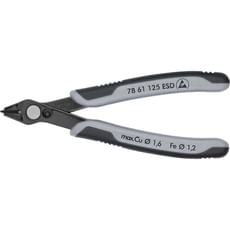
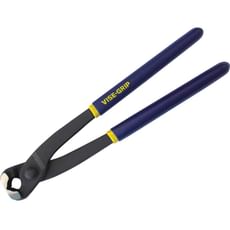
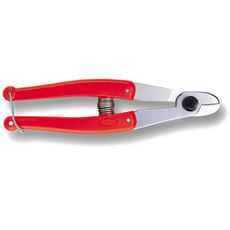
 Loading...
End of content
Error - No more pages to load
About Wire Cutters
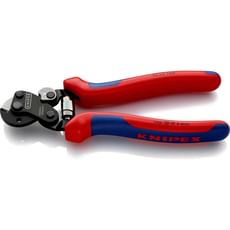
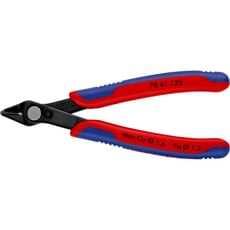
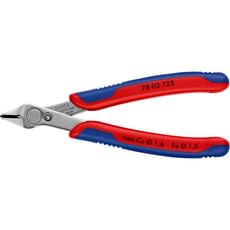
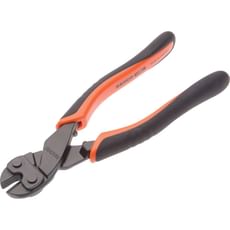
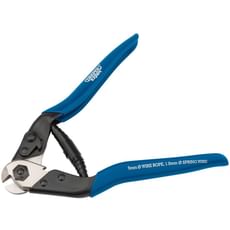
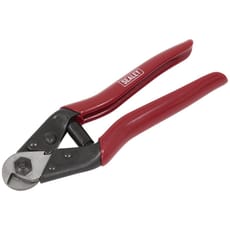
Wire cutters are essential precision tools designed to cleanly cut through various types and gauges of wire, from delicate electronics components to heavy-duty steel cables. Unlike general-purpose pliers or snips, wire cutters feature specifically engineered cutting edges that slice through metallic conductors without crushing, fraying or deforming the material. The range available from Tooled-Up.com includes everything from compact electronic precision cutters for circuit board work to robust ratchet-action cable cutters capable of shearing through multi-strand steel wire rope.
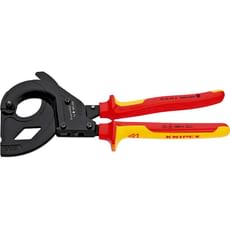
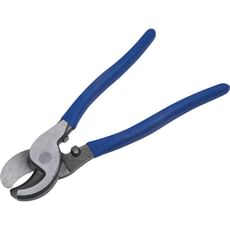
Modern wire cutters come in several specialised configurations to suit different applications. Diagonal cutters (or side cutters) are perhaps the most common, featuring angled cutting edges ideal for flush-cutting wire close to surfaces. Precision electronics cutters offer ultra-fine tips for detailed work on printed circuit boards and delicate wiring. For heavier applications, cable and wire rope cutters incorporate mechanical advantage through compound leverage or ratchet mechanisms, enabling tradespeople to cut through thick armoured cables and high-tensile wire that would be impossible with standard cutting tools.
Professional wire cutters from manufacturers like Knipex, Bahco and Vise-Grip utilise high-carbon steel or chrome vanadium alloy cutting edges, often with additional hardening treatments to maintain sharpness through thousands of cutting cycles. Some models feature VDE insulation rated to 1000v, providing essential protection for electricians working on 240v installations and other live electrical systems. Whether you're a telecommunications engineer, automotive electrician or electronics hobbyist, selecting the appropriate wire cutter for your specific wire type and gauge is crucial for both cutting performance and tool longevity.
Jargon Buster
- Flush Cut
- A cutting action that allows the wire cutter to slice wire completely flat against a surface, leaving no protruding stub. Essential for electronics work and professional finishing.
- VDE Insulation
- German-certified insulation rated for live electrical work, typically to 1000v. VDE tools feature distinctive two-colour insulation that reveals damage and are mandatory for many professional electricians working on 240v systems.
- Ratchet Action
- A mechanical mechanism that allows cutting force to be applied incrementally over several handle squeezes, dramatically reducing the effort required to cut through thick or high-tensile wire and cable.
- Cutting Capacity
- The maximum wire diameter or gauge that a particular cutter can cleanly shear. Often specified separately for soft wire (copper, aluminium) and hard wire (steel, piano wire) as these require different cutting forces.
- Induction Hardened
- A heat treatment process applied to cutting edges that increases surface hardness and wear resistance, significantly extending the working life of the tool when cutting abrasive or hardened materials.
- ESD Safe
- Electrostatic Discharge protection. ESD-safe cutters include dissipative materials that prevent static electricity buildup, protecting sensitive electronic components during cutting and assembly operations.
Who Uses Wire Cutters?
Wire cutters are indispensable tools across numerous trades and professions:
- Electricians and Electrical Contractors – cutting cables for domestic 240v installations, commercial wiring and industrial electrical systems
- Electronics Engineers and Technicians – precision cutting of component leads, jumper wires and circuit board connections
- Automotive Electricians – trimming automotive wiring looms, sensor cables and battery connections
- Telecommunications Engineers – cutting telephone lines, data cables and fibre optic strength members
- Aerospace and Aviation Technicians – precision work on aircraft wiring harnesses and control cables
- Steel Fixers and Construction Workers – cutting steel tying wire for rebar fixing and general site applications
- Fencing Contractors – cutting various gauges of fencing wire and cable
- Jewellers and Craft Workers – precision cutting of precious metal wire and findings
- Florists – cutting floral arrangement wire and stem wires
- Model Makers and Hobbyists – detailed cutting work for scale models and electronics projects
- Maintenance Engineers – general wire cutting across industrial and facilities maintenance
How to Choose the Right Wire Cutters
Material and Wire Type: Match the cutter to your primary application. Soft copper and aluminium wire require less cutting force than hardened steel or piano wire. Check the manufacturer's specifications for both soft and hard wire cutting capacities. Tooled-Up stocks cutters suitable for everything from delicate electronics work to heavy-duty steel rope.
Cutting Capacity: Ensure the cutter can handle your typical wire gauges with comfortable force. Undersized cutters will struggle, damaging both the tool and the wire. For thick cables or high-tensile wire, consider ratchet-action or compound-leverage models that multiply your hand force.
Electrical Safety: If working on or near live electrical installations, VDE-insulated cutters rated to 1000v are essential for compliance with HSE regulations. These provide protection when working on 240v systems and should feature visible insulation that shows any damage or wear.
Precision Requirements: Electronics work demands ultra-fine cutting edges and flush-cutting capability to avoid damage to printed circuit boards and components. Look for precision electronics cutters with pointed or tapered heads. ESD-safe models protect sensitive components from static discharge.
Ergonomics and Frequency of Use: Professionals making hundreds of cuts daily benefit from ergonomically designed handles with cushioned grips and spring-return mechanisms. Consider the handle length – longer handles provide greater leverage but may be awkward in confined spaces.
Build Quality and Brand: Professional-grade cutters from manufacturers like Knipex, Bahco and Vise-Grip feature forged construction, induction-hardened cutting edges and superior materials that maintain performance through years of demanding use. While premium tools represent a higher initial investment, their longevity and consistent cutting performance typically deliver better value for tradespeople.
Popular Accessories
- Tool Pouches and Belts – keeping wire cutters accessible on your person during installations and site work
- Wire Strippers – complementary tools for removing insulation before cutting and terminating
- Cable Shears – for cutting larger cross-section cables beyond wire cutter capacity
- Crimping Tools – for terminating cut wires with connectors and terminals
- Multi-Tools and Pliers Sets – comprehensive tool kits including various cutter types
- Tool Oil and Lubricants – maintaining smooth cutting action and preventing corrosion
- Replacement Springs – for maintaining spring-return functionality on frequently used cutters
- Electrical Testing Equipment – voltage testers and multimeters for safe electrical work
- Wire and Cable – the materials you'll be cutting, available in various gauges and specifications
- Safety Glasses – essential PPE protection against wire ends and metal fragments
Safety Information
Electrical Safety: Never use non-insulated wire cutters on or near live electrical circuits. Only VDE-rated insulated tools should be used when working on 240v installations. Always isolate circuits and test for absence of voltage before commencing work. Follow HSE electrical safety guidelines and ensure compliance with BS 7671 wiring regulations.
Eye Protection: Always wear safety glasses or a face shield when cutting wire. Cut ends can spring away at high velocity, and hardened wire can shatter, creating sharp fragments that pose serious eye injury risks. This is particularly important when cutting under tension or working with spring wire.
Cutting Technique: Position wire as deep into the cutter jaws as possible for maximum leverage and to prevent edge damage. Never twist or bend cutters during cutting as this can chip the hardened edges. Don't use wire cutters on materials harder than their rated capacity – use appropriate bolt cutters or hacksaws instead.
Tool Maintenance: Inspect cutting edges regularly for chips, nicks or misalignment. Damaged cutters can slip during use, causing injury. Keep the pivot point clean and lightly oiled. Never use wire cutters as hammers, pry bars or for any purpose other than cutting wire.
Tensioned Wire Hazards: Exercise extreme caution when cutting wire under tension, such as fencing wire or load-bearing cables. Tensioned wire can whip violently when cut, causing serious laceration injuries. Always use appropriate restraints and stand clear of the potential whip zone.
Frequently Asked Questions
What's the difference between side cutters and wire cutters?
Side cutters (diagonal cutters) are actually a type of wire cutter, featuring cutting edges at an angle to the handle axis. This design allows cutting close to surfaces and provides good visibility of the cutting point. The term "wire cutters" encompasses various designs including side cutters, end cutters, and centre cutters, each optimised for different applications.
Can I use wire cutters to cut piano wire or spring wire?
Standard wire cutters are not suitable for hardened materials like piano wire or spring steel. These materials require cutters specifically rated for hard wire, with specially hardened cutting edges. Using standard cutters on hardened wire will quickly damage the cutting edges. Always check the manufacturer's specifications for hard wire cutting capacity before attempting to cut high-tensile materials.
How do I know if my wire cutters are suitable for live electrical work?
Look for VDE certification markings on the tool, typically including "VDE" or "1000V" printed on the handles. Properly insulated tools feature distinctive two-colour insulation (often orange/red with yellow) that reveals any damage to the protective layer. For work on 240v installations, only use cutters with valid VDE certification and ensure the insulation shows no signs of damage, cuts or wear. When in doubt, have tools tested by a qualified electrician.
Why won't my wire cutters cut through thick cable cleanly?
This usually indicates the cable exceeds the cutter's rated capacity, or the cutting edges have become dull or damaged. Check the manufacturer's specifications for maximum cutting capacity in your wire type. For cables beyond standard cutter capacity, use ratchet-action cable cutters or dedicated cable shears that provide the mechanical advantage needed. Attempting to force undersized cutters through thick cable will damage the tool and produce poor, crushed cuts.
Do wire cutters require any special maintenance?
Keep the pivot point clean and apply a drop of light machine oil periodically to maintain smooth operation. Wipe cutting edges clean after use, particularly if cutting corrosive materials. Store in a dry location to prevent rust. Avoid dropping cutters as this can misalign the cutting edges or damage hardened surfaces. Some professional users have cutting edges professionally resharpened, though replacement is often more economical for moderately priced tools.