

Wire Rope
Pay in 3 interest-free payments on purchases from £30-2000 with  . Learn more.
 Loading...
End of content
Error - No more pages to load
About Wire Rope
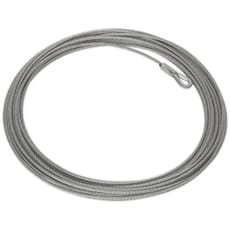
Wire rope is an essential component for winching, lifting, and hauling applications across industrial, automotive, and marine sectors. Constructed from multiple strands of metal wire twisted together to form a helix, wire rope offers exceptional strength, durability, and flexibility compared to solid cables. These ropes are designed to withstand significant loads and harsh conditions, making them indispensable for recovery operations, construction projects, and material handling tasks. Wire rope is commonly used with winches, hoists, cranes, and lifting equipment where reliable load-bearing capacity is critical.
The construction of wire rope varies depending on its intended application, with different configurations offering specific benefits. Standard constructions include 6x19, 6x37, and 7x7 patterns, where the numbers refer to the arrangement of strands and wires. Wire rope can be manufactured from galvanised steel for corrosion resistance, stainless steel for marine environments, or carbon steel for general-purpose use. The diameter and length of the rope must be carefully matched to the winch or equipment it will be used with, as using incorrect specifications can compromise both safety and performance.
Tooled-Up.com stocks replacement wire ropes for various winching applications, including recovery winches used by off-road enthusiasts, farmers, and recovery operators. Wire rope is considered a consumable part that requires periodic replacement due to wear, fraying, or damage from heavy use. Regular inspection and timely replacement of worn wire rope is essential for maintaining safe working conditions and preventing equipment failure during critical operations.
Jargon Buster
- Construction Pattern: The configuration of strands and wires in a rope, expressed as numbers like 6x19 (six strands, each containing 19 wires). Different patterns offer varying degrees of flexibility, abrasion resistance, and strength.
- Breaking Strength: The maximum load a wire rope can withstand before failure, typically measured in tonnes or kilonewtons. Working loads should always be significantly lower than breaking strength to maintain safe operation.
- Lay: The direction in which the strands are twisted around the core. Regular lay and lang lay are the two main types, each offering different handling characteristics and resistance to rotation under load.
- Core: The central component around which the outer strands are wrapped, usually made from fibre or steel. Steel cores provide greater strength and resistance to crushing, while fibre cores offer increased flexibility.
- Galvanised: A protective zinc coating applied to wire rope to prevent corrosion and extend service life, particularly important for outdoor and marine applications.
- Working Load Limit (WLL): The maximum load that should be applied to a wire rope during normal use, typically calculated as a fraction of the breaking strength with an appropriate safety factor.
Who Uses Wire Rope?
- Recovery Operators: Off-road enthusiasts and professional recovery services using winches for vehicle extraction
- Farmers and Agricultural Workers: For moving machinery, clearing land, and general farm operations requiring pulling power
- Construction Workers: On building sites for lifting materials, operating cranes, and temporary rigging applications
- Marine Professionals: Boat owners, harbourmasters, and maritime workers for mooring, lifting, and deck operations
- Warehouse and Logistics Personnel: Using hoists and lifting equipment for material handling and stock management
- Arborists and Tree Surgeons: For rigging operations during tree felling and branch removal
- Garage and Workshop Owners: Using engine hoists and lifting equipment for vehicle maintenance and repairs
- Mining and Quarrying Operations: For heavy-duty hauling and lifting in extraction industries
- Events and Rigging Specialists: Installing temporary structures, lighting, and equipment for concerts and exhibitions
How to Choose the Right Wire Rope
Selecting the correct wire rope begins with identifying your specific equipment requirements. Check your winch or hoist manufacturer's specifications for the recommended rope diameter and length. Using a rope diameter that's too small or too large can prevent proper spooling and may damage the drum or reduce the equipment's capacity. The replacement wire rope available from Tooled-Up features precise specifications designed to match compatible winch models.
Consider the working environment and exposure conditions. For outdoor applications or marine use, galvanised or stainless steel wire rope provides superior corrosion resistance. Indoor workshop applications may use standard carbon steel rope if environmental exposure is minimal. The construction pattern also matters: ropes with more wires per strand offer greater flexibility and resistance to fatigue, while ropes with fewer, larger wires provide better abrasion resistance for dragging applications.
Calculate your load requirements carefully and always include an appropriate safety factor. As a general rule, the working load should not exceed one-fifth of the rope's breaking strength. For critical lifting operations or overhead loads, an even greater safety margin may be required by HSE regulations. Consider how frequently the rope will be used and under what conditions, as high-cycle applications will require more frequent inspection and replacement.
Check whether accessories such as hooks, thimbles, and end fittings are included or need to be purchased separately. Some replacement ropes are supplied without hooks, requiring you to transfer existing hardware or source new fittings. Ensure that any fittings used are properly rated for the rope diameter and working load, and that they're installed using appropriate techniques such as proper eye splicing or swaging.
Popular Accessories
- Winch Hooks: Replacement hooks with safety latches for securing loads
- Thimbles: Metal inserts that protect wire rope eyes from wear and deformation
- Wire Rope Grips: Clamps and bulldog grips for creating secure loops and terminations
- Snatch Blocks: Pulleys that increase winching capacity and change pulling direction
- Tree Straps: Protective webbing for anchoring winches without damaging trees
- Shackles: Connecting hardware in various configurations and load ratings
- Winch Dampers: Safety blankets that reduce recoil risk if rope failure occurs
- Wire Rope Lubricants: Specialised oils that reduce friction and prevent corrosion
- Swivels: Rotating connectors that prevent rope twisting during operation
- Load Limiters: Safety devices that prevent overloading beyond safe limits
Safety Information
Wire rope must be inspected before each use for signs of wear, damage, or deterioration. Look for broken wires, kinking, crushing, corrosion, and reduction in diameter. Any rope showing six or more broken wires in one lay length, significant corrosion, heat damage, or severe deformation should be retired immediately and replaced. Never attempt to repair damaged wire rope—always replace it with new rope meeting the correct specifications.
Always stay clear of wire rope under tension and never position yourself or others in line with a loaded rope. If rope failure occurs, the stored energy can cause severe injury or death. Use winch dampers or heavy blankets draped over the rope during operation to reduce recoil risk. Wear appropriate PPE including safety gloves when handling wire rope, as broken wire ends can cause puncture injuries.
Ensure wire rope is properly spooled onto winch drums with even wrapping and adequate tension. Loose or uneven spooling can cause rope damage and reduce effective capacity. Never exceed the working load limit of your wire rope or winch, and always account for angle loading which can significantly increase stress on the rope. Follow HSE guidelines for lifting operations and ensure operators are properly trained in safe winching practices.
Store unused wire rope in a dry location away from chemicals, moisture, and extreme temperatures. Coil rope loosely to prevent kinking and apply appropriate lubricant during storage to prevent internal corrosion. Maintain records of installation dates and usage to help determine replacement schedules based on working conditions and load history.
Frequently Asked Questions
How often should I replace winch wire rope?
Wire rope should be replaced based on condition rather than a fixed schedule. Inspect the rope regularly for broken wires, corrosion, kinking, or diameter reduction. As a general guideline, ropes used frequently in harsh conditions may need replacement annually, while occasional-use ropes can last several years with proper care. Always replace rope immediately if inspection reveals significant damage regardless of age.
Can I cut wire rope to a custom length?
While wire rope can technically be cut, doing so requires proper tools and techniques to create secure terminations. Most users should purchase pre-cut rope in the correct length for their equipment. If cutting is necessary, use proper wire rope cutters rather than bolt croppers or grinders, and ensure terminations are professionally made or use appropriate rope grips to prevent unravelling.
What's the difference between galvanised and stainless steel wire rope?
Galvanised wire rope features a zinc coating that provides good corrosion resistance for outdoor use at a reasonable cost, making it suitable for most general applications. Stainless steel rope offers superior corrosion resistance for marine environments and food industry applications but costs significantly more. For typical recovery winch and lifting applications, galvanised rope provides adequate protection and longevity.
Why doesn't my replacement rope include a hook?
Many replacement ropes are supplied without hooks to allow users to transfer existing hardware or choose hooks appropriate to their specific needs. This also reduces cost for users who already have suitable fittings. Hooks can be purchased separately and should be properly attached using thimbles and wire rope grips, or by professional swaging for critical applications.
How do I properly maintain wire rope?
Regular lubrication is essential to reduce friction between wires and prevent internal corrosion. Use specialised wire rope lubricant rather than general oils. Clean rope periodically to remove dirt and debris that can cause abrasive wear. Store rope properly when not in use, protect it from chemicals, and never allow kinks to form. Keep detailed inspection records and replace rope at the first sign of significant deterioration.