

Wire Twisting Pliers

Pay in 3 interest-free payments on purchases from £20-£3000 with  . Learn more.

 Loading...
End of content
Error - No more pages to load
About Wire Twisting Pliers
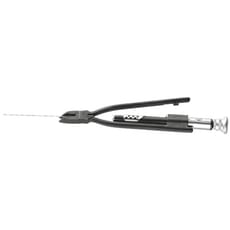
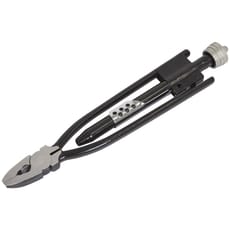
Wire twisting pliers are specialist hand tools designed to twist and secure safety wire (also known as lock wire) around bolts, screws, and other fixings in safety-critical applications. These precision instruments create tight, uniform twists that prevent fasteners from loosening due to vibration, making them indispensable in industries where component failure could have catastrophic consequences. The typical design features a comfortable grip, a rotating mechanism that creates consistent twists, and integrated wire cutters for trimming excess material once the lock wire is secured.
Tooled-Up.com stocks wire twisting pliers from trusted brands including Draper, Facom, Sealey, and Siegen, all manufactured to exacting standards for professional use. These tools are typically constructed from hardened chrome vanadium steel with tempered jaws and chrome-plated spiral screw assemblies for longevity and corrosion resistance. Most models can handle wire diameters up to 1.5mm for twisting and 2.5mm for cutting, making them versatile enough for the majority of safety wiring applications across aerospace, motorsport, and industrial maintenance sectors.
Whether you're conducting routine aircraft inspections, preparing race vehicles for competition, or maintaining critical industrial equipment, wire twisting pliers deliver the precision and reliability required for compliant safety wiring. The reversible locking mechanism found on many professional models allows users to quickly change twist direction and maintain control throughout the wiring process, whilst painted or cushioned handles reduce hand fatigue during extended use on complex assemblies.
Jargon Buster
- Safety Wire (Lock Wire)
- Soft stainless steel or monel wire threaded through fastener holes and twisted to prevent loosening through vibration. Typically available in diameters from 0.6mm to 1.2mm depending on application requirements.
- Chrome Vanadium Steel
- A high-strength steel alloy used in quality hand tools. The addition of chromium and vanadium improves hardness, wear resistance, and toughness, making it ideal for plier jaws and cutting edges.
- Reversible Locking Mechanism
- A feature that allows the user to change the direction of wire twist without removing the tool from the wire, essential for following correct safety wiring procedures which specify twist direction.
- Twist Ratio
- The number of twists per inch or per 25mm of wire length. Industry standards typically require 6-8 twists per inch for proper safety wire installation.
- Wire Capacity
- The maximum wire diameter a tool can effectively twist and cut. Professional wire twisting pliers typically handle up to 1.5mm for twisting and 2.5mm for cutting operations.
- Pigtail
- The twisted end of safety wire that extends beyond the final anchor point, typically trimmed to approximately 6mm and bent back to prevent snagging or injury.
Who Uses Wire Twisting Pliers?
- Aircraft Maintenance Engineers (AMEs): Essential for conducting inspections and repairs on civil and military aircraft where safety wiring is mandatory for numerous critical components
- Motorsport Technicians: Used extensively in Formula 1, rally, and motorcycle racing to secure critical fasteners on engines, suspension components, and safety equipment
- Defence and Military Technicians: Required for maintaining helicopters, land vehicles, and weapons systems where component security is paramount
- Industrial Maintenance Engineers: Applied in power generation, petrochemical, and manufacturing facilities where vibration could compromise safety-critical fixings
- Marine Engineers: Used for securing fasteners on vessels where constant vibration and harsh environments threaten fastener integrity
- Apprentices and Trainees: Learning correct safety wiring techniques in aerospace, automotive, and industrial maintenance programmes
- Quality Control Inspectors: Verifying proper installation of safety wire in accordance with industry standards and specifications
How to Choose the Right Wire Twisting Pliers
Wire Diameter Capacity: Check both the maximum twisting capacity (typically 1.5mm) and cutting capacity (usually 2.5mm) to ensure the tool matches your application requirements. Aircraft work often uses 0.8mm to 1.0mm wire, whilst motorsport may require heavier gauges for larger fasteners.
Build Quality and Materials: Professional-grade tools available from Tooled-Up feature chrome vanadium steel construction with hardened, tempered jaws for longevity. Chrome plating on the spiral screw assembly prevents corrosion and ensures smooth operation even after extended use in harsh environments.
Handle Design: Painted or cushioned handles significantly reduce hand fatigue during extended safety wiring sessions. Consider the ergonomics if you'll be using the tool for prolonged periods, particularly in awkward positions typical of aircraft or engine bay work.
Locking Mechanism: Reversible locking wire pliers from brands like Facom offer greater versatility, allowing you to change twist direction without releasing the wire. This feature is particularly valuable when following specific directional requirements in aerospace applications.
Brand Reputation: Established manufacturers such as Draper, Facom, Sealey, and Siegen produce tools that meet professional standards. If your work requires compliance with specific industry standards or inspections, choose recognised brands with proven track records in safety-critical sectors.
Budget Considerations: Whilst entry-level models suit occasional DIY use or training purposes, professional technicians should invest in quality tools that will withstand daily use and provide consistent performance. The cost difference is minimal compared to the time saved and quality of results achieved.
Popular Accessories
- Safety Wire Spools: Stainless steel or monel wire in various diameters (0.6mm, 0.8mm, 1.0mm, 1.2mm) for different applications and fastener sizes
- Wire Cutters: Dedicated side cutters or diagonal pliers for trimming wire ends and preparing pigtails
- Safety Pliers: Standard combination pliers for threading wire through fastener holes and manipulating wire into position
- Threading Tools: Specialised picks and hooks for pulling wire through difficult-to-access holes in tight spaces
- Torque Wrenches: Essential for achieving correct fastener tension before applying safety wire to prevent over-tightening
- PPE Equipment: Safety glasses to protect against wire ends during cutting, and work gloves to prevent wire puncture injuries
- Tool Storage: Dedicated tool rolls or foam organiser inserts to protect wire twisting pliers during transport between job sites
Safety Information
Eye Protection: Always wear safety glasses when twisting and cutting safety wire. Wire ends under tension can snap back unexpectedly, and trimmed ends can become projectiles that pose serious eye injury risks.
Hand Protection: Safety wire has sharp ends that can easily puncture skin. Wear appropriate work gloves when handling bulk wire, though you may need to remove them for precision threading work. Be particularly cautious of protruding pigtails and trimmed wire ends.
Proper Technique: Incorrect use of wire twisting pliers can result in inconsistent twists, broken wire, or inadequate security. Follow manufacturer guidelines and industry-specific standards for twist ratios, direction, and tension. Under-twisted wire may fail to prevent loosening, whilst over-twisted wire becomes brittle and prone to breakage.
Tool Inspection: Regularly examine wire twisting pliers for wear on cutting edges, damage to the spiral screw mechanism, and handle integrity. Worn or damaged tools can slip during use, causing wire to break unexpectedly or creating substandard twists that may not pass inspection.
Compliance Requirements: When working in regulated industries such as aerospace or defence, ensure your safety wiring practices comply with relevant standards (such as BS EN specifications or manufacturer-specific requirements). Non-compliant safety wiring can result in component failure, failed inspections, and serious safety consequences.
Frequently Asked Questions
What's the difference between wire twisting pliers and standard pliers?
Wire twisting pliers feature a specialised rotating mechanism that creates uniform, consistent twists in safety wire, something impossible to achieve reliably with standard pliers. They also incorporate an integrated wire cutter and locking mechanism to maintain tension whilst working. Standard pliers lack these features and cannot produce the tight, even twists required for safety-critical applications where non-compliance could result in failed inspections or component failure.
Can I use wire twisting pliers on any wire diameter?
Each tool has specified maximum capacities for both twisting and cutting operations. Most professional models handle up to 1.5mm diameter wire for twisting and 2.5mm for cutting. Using wire outside these specifications can damage the tool's mechanism or produce inadequate twists. Always check the manufacturer's specifications and match your wire diameter to the tool's capacity for optimal results and tool longevity.
Which direction should safety wire be twisted?
Industry standards typically require right-hand (clockwise) twists, ensuring the wire tightens rather than loosens as fasteners rotate under load. However, specific applications may require left-hand twists depending on fastener rotation direction and accessibility. Reversible wire twisting pliers allow you to change direction easily, making them more versatile for complex assemblies where different twist directions are needed.
How many twists per inch are required for proper safety wiring?
Most aerospace and motorsport standards specify 6-8 twists per 25mm (approximately 6-8 twists per inch) for proper safety wire installation. This ratio provides adequate security without over-stressing the wire, which could cause brittleness and premature failure. Quality wire twisting pliers help achieve consistent twist ratios throughout the wire length, essential for passing professional inspections.
Do wire twisting pliers require any maintenance?
Regular maintenance extends tool life and ensures reliable performance. Clean the spiral screw mechanism periodically to remove debris and wire fragments, then apply a light machine oil to maintain smooth operation. Inspect cutting edges for wear and have them professionally sharpened when they no longer cut cleanly. Store tools in a dry environment to prevent corrosion, particularly on chrome-plated components. Properly maintained wire twisting pliers can provide decades of service in professional applications.