

Wire Wheels

Pay in 3 interest-free payments on purchases from £20-£3000 with  . Learn more.
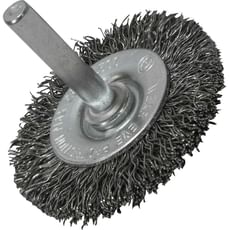
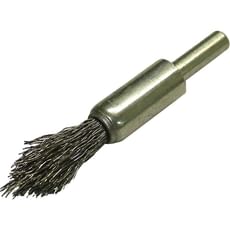
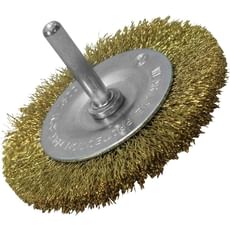
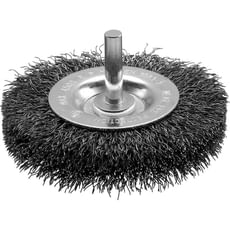
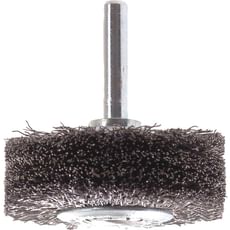
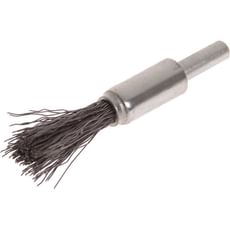
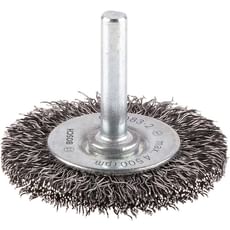
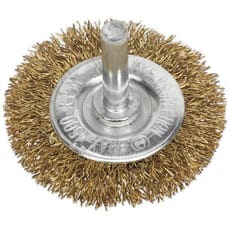
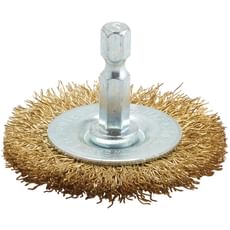
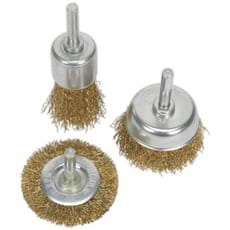
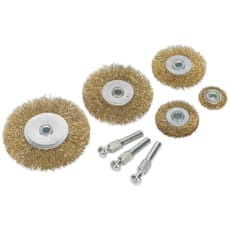
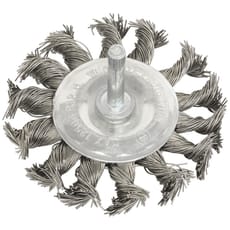
 Loading...
End of content
Error - No more pages to load
About Wire Wheels
Wire wheels are essential rotary brushes designed to attach to power drills, bench grinders, and other power tools for efficient surface preparation, cleaning, and finishing tasks. These versatile accessories feature steel, brass, or stainless steel wire bristles arranged in various configurations—from flat crimped designs to aggressive twisted knot patterns—each suited to specific materials and applications. Whether you're removing rust and paint from metal surfaces, preparing welds, cleaning engine components, or deburring edges, wire wheels deliver the abrasive action needed to tackle tough cleaning jobs that manual methods simply cannot match.
The selection at Tooled-Up.com includes wire wheels from trusted manufacturers including Faithfull, Sealey, Draper, Bosch Professional, and Lessmann, offering options for both professional tradespeople and dedicated DIY enthusiasts. Wire wheels typically feature either 6mm (1/4 inch) or 8mm shanks for compatibility with standard electric drills, whilst larger cup-style and flat wheels mount directly to bench grinders. The wire material and configuration determine the aggressiveness and suitability for different base materials—softer brass wire wheels protect aluminium and softer metals from scratching, whilst hardened steel twisted knot wheels provide maximum material removal on heavy rust and weld scale.
Available in individual units or convenient multi-piece sets, wire wheels come in various diameters and depths to access everything from large flat surfaces to tight corners, grooves, and recessed areas. Hollow cup designs excel at reaching into awkward spaces, whilst flat end wheels provide excellent coverage on broad surfaces. Understanding the different wire types, configurations, and mounting options ensures you select the right tool for efficient, safe metalworking and surface preparation.
Jargon Buster
- Crimped Wire: Wire filaments with a wavy, crimped pattern that provides a less aggressive cleaning action with better surface coverage. Ideal for general-purpose cleaning, paint removal, and surface preparation without excessive material removal.
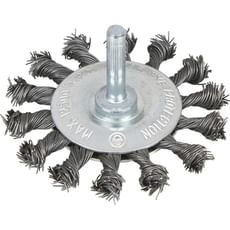
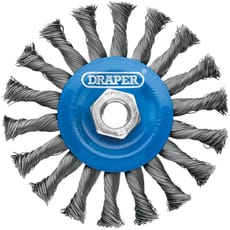
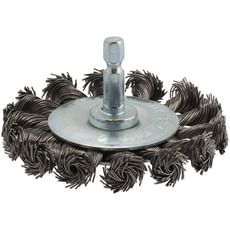
- Twisted Knot Wire: Wire strands twisted together in bundles to create an extremely aggressive brush for heavy-duty applications. Best suited for removing thick rust, heavy scale, weld slag, and stubborn coatings from steel surfaces.
- Brass Wire: Softer, non-sparking wire material used for cleaning softer metals like aluminium, copper, and brass without scratching or damaging the base material. Also preferred in potentially explosive environments due to reduced spark generation.
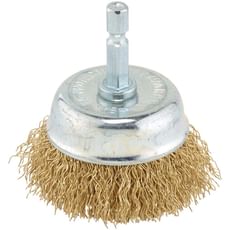
- Hollow Cup/End Brush: A cylindrical wire brush design that allows access to corners, edges, and recessed areas that flat wire wheels cannot reach effectively.
- Maximum RPM: The highest safe rotational speed for a wire wheel, typically stamped on the product. Exceeding this speed can cause wire filaments to break free, creating serious safety hazards.
- Wire Gauge: The thickness of individual wire filaments, usually measured in millimetres (e.g., 0.2mm, 0.3mm). Finer gauges provide lighter cleaning action, whilst thicker wires offer more aggressive material removal.
Who Uses Wire Wheels?
- Welders and Fabricators: For cleaning weld seams, removing slag and spatter, and preparing metal surfaces before and after welding
- Motor Mechanics and Vehicle Restorers: Essential for cleaning engine components, removing rust from chassis and body panels, and preparing surfaces for painting
- Metalworkers and Machinists: Used for deburring machined parts, cleaning castings, and removing oxidation from metal surfaces
- Maintenance Engineers: For refurbishing machinery, cleaning equipment, and removing corrosion from industrial components
- Painters and Decorators: Preparing metal surfaces by removing old paint, rust, and mill scale before applying new coatings
- Construction Trades: Cleaning structural steelwork, preparing metalwork on site, and general metal surface preparation
- DIY Enthusiasts: Home metalworking projects, garden equipment maintenance, and general workshop tasks requiring metal cleaning
- Marine and Agricultural Engineers: Removing corrosion from machinery and equipment exposed to harsh environments
How to Choose the Right Wire Wheels
Wire Material Selection: Choose steel wire for ferrous metals and heavy-duty rust removal, brass wire for softer metals like aluminium and copper, and stainless steel wire for applications requiring corrosion resistance. Brass wheels are also essential when working in potentially explosive atmospheres as they produce minimal sparking.
Wire Configuration: Crimped wire wheels offer moderate cleaning action suitable for general surface preparation and paint removal. Twisted knot configurations provide aggressive material removal for heavy rust, thick scale, and weld cleaning but may leave surface scratches. Consider the finish quality required—crimped wheels typically leave a smoother surface.
Mounting Type and Compatibility: Verify the shank diameter matches your power tool—most drill-mounted wire wheels feature 6mm (1/4 inch) shanks, whilst bench grinder wheels require specific bore sizes. Tooled-Up stocks both drill-mounted options for portable applications and bench grinder wheels for workshop use.
Wheel Size and Shape: Flat wire wheels excel at cleaning large, accessible surfaces. Cup-style wheels reach into corners and along edges. Point-end brushes access tight recesses and grooves. Consider the geometry of the surfaces you'll be cleaning when selecting wheel profiles.
Wire Gauge and Density: Finer wire gauges (0.2mm-0.3mm) provide gentler cleaning with less risk of surface damage, whilst thicker wires remove material more quickly. Higher wire density increases cleaning efficiency but may load up faster when removing heavy coatings.
Operating Speed: Always check the maximum rated RPM matches or exceeds your power tool's speed. Operating wire wheels above their rated speed creates serious safety risks as wire filaments can detach at high velocity.
Popular Accessories
- Safety Goggles and Face Shields: Essential PPE to protect eyes and face from flying wire filaments, debris, and sparks generated during wire brushing operations
- Work Gloves: Heavy-duty protective gloves to shield hands from sharp wire bristles and hot surfaces
- Bench Grinders: Stationary power tools providing stable mounting platforms for larger wire wheels with consistent operating speeds
- Corded Electric Drills: Reliable 240v power drills offering consistent power for sustained wire wheel operation without battery depletion
- Drill Chucks and Adaptors: Ensuring secure mounting of various shank sizes and proper wire wheel retention during operation
- Rust Converters and Metal Primers: Chemical treatments and coatings to apply after wire wheel cleaning for long-lasting corrosion protection
- Wire Brush Sets: Hand wire brushes for detail work and areas inaccessible to rotary wire wheels
- Dust Extraction Equipment: Vacuum systems to capture metal particles and debris generated during wire brushing operations
Safety Information
Personal Protective Equipment: Always wear safety goggles or a full face shield when operating wire wheels, as wire filaments can break free and cause serious eye injuries. Wear heavy-duty work gloves, long sleeves, and closed-toe footwear to protect against flying debris and sharp wire bristles. Avoid loose clothing that could become entangled in rotating wire wheels.
Speed Limitations: Never exceed the maximum RPM rating marked on the wire wheel. Operating above rated speed causes excessive centrifugal force that can throw wire filaments at dangerous velocities. Verify your power tool's speed is compatible before mounting any wire wheel.
Secure Mounting: Ensure wire wheels are properly secured in drill chucks or bench grinder arbors before operation. Inspect for damage before each use—discard any wire wheels showing excessive wear, missing wires, or deformation. Allow the tool to reach full speed before contacting the workpiece and maintain firm control throughout operation.
Work Environment: Operate wire wheels in well-ventilated areas as metal particles and dust can be hazardous when inhaled. Be aware that steel wire on ferrous metals produces sparks—keep flammable materials away from the work area. Follow HSE guidelines for metalworking operations and ensure appropriate dust extraction where required by COSHH regulations.
Workpiece Security: Always secure workpieces firmly before wire brushing to prevent movement that could cause loss of control. Never hold small parts by hand whilst cleaning with wire wheels—use vices or clamps to maintain safe working distances.
Frequently Asked Questions
What's the difference between crimped and twisted knot wire wheels?
Crimped wire wheels feature wavy wire filaments that provide moderate cleaning action suitable for paint removal, light rust, and general surface preparation with a relatively smooth finish. Twisted knot wire wheels have wire strands bundled and twisted together, creating a much more aggressive tool for heavy rust, thick scale, weld slag, and stubborn coatings. Twisted knot wheels remove material faster but may scratch surfaces, whilst crimped wheels offer more controlled cleaning with better surface finish.
Can I use steel wire wheels on aluminium?
Steel wire wheels are not recommended for aluminium or other soft non-ferrous metals as they can embed steel particles into the softer material, potentially causing corrosion and surface contamination. Always use brass wire wheels when cleaning aluminium, copper, brass, or other soft metals. Brass wire is soft enough to avoid scratching whilst still providing effective cleaning action.
Why do wire wheels specify a maximum RPM?
Wire wheels are subject to centrifugal force during rotation—the faster they spin, the greater the force trying to throw wire filaments outward. Each wire wheel is engineered and tested for a specific maximum speed based on its construction, wire gauge, and diameter. Exceeding this speed can cause the wire to break free from the wheel and fly off at dangerous velocities, potentially causing serious injury. Always match your power tool's speed to the wire wheel's maximum RPM rating.
How long do wire wheels typically last?
Wire wheel lifespan varies significantly based on application intensity, wire type, and the materials being cleaned. Crimped wire wheels generally wear gradually as individual wires break or bend, whilst twisted knot wheels may lose entire wire bundles. For occasional DIY use, a quality wire wheel might last years, whilst professional tradespeople performing daily heavy rust removal may wear through wheels in weeks. Replace wire wheels when wire density decreases significantly, when the wheel becomes unbalanced, or when cleaning efficiency noticeably declines.
Do I need different wire wheels for my drill and bench grinder?
Yes, drill-mounted wire wheels and bench grinder wheels are specifically designed for their respective tools. Drill-mounted wheels feature shanks (typically 6mm/1/4 inch) that fit into drill chucks and are rated for the variable speeds of handheld drills. Bench grinder wheels have central bores sized for grinder arbors and are designed for the fixed, higher speeds of bench grinders. Never attempt to adapt one type for the other tool as this creates serious safety hazards and violates the manufacturer's speed and mounting specifications.