

Wire Wool
Pay in 3 interest-free payments on purchases from £30-2000 with  . Learn more.
 Loading...
End of content
Error - No more pages to load
About Wire Wool
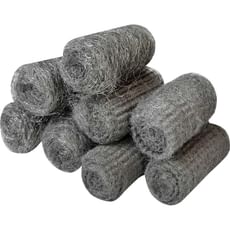
Wire wool, also known as steel wool, is an essential abrasive material used across woodworking, metalworking, decorating, and general maintenance tasks. Composed of fine steel or stainless steel strands bundled together, wire wool provides a versatile solution for surface preparation, cleaning, polishing, and finishing work. Available in various grades from coarse to ultra-fine, each grade is suited to specific applications ranging from heavy-duty rust removal to delicate furniture finishing and wax application.
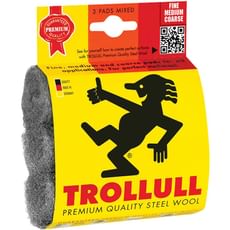
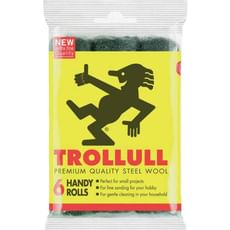
Tooled-Up.com stocks wire wool from trusted manufacturers including Trollull, Faithfull, Draper, and Liberon, offering both traditional steel wool and specialist stainless steel variants. Products are available in multiple formats including individual pads, multi-pack assortments, handy rolls, and extra-large pads for different project requirements. Whether preparing wood for varnishing, removing paint, cleaning glass on wood-burning stoves, or applying finishing waxes, the right grade of wire wool delivers professional results without damaging underlying surfaces.
Steel wire wool remains popular among tradespeople and DIY enthusiasts because of its flexibility, conformability to irregular surfaces, and ability to work into corners and detailed areas that rigid abrasives cannot reach. Stainless steel wool variants offer enhanced durability and rust resistance, making them ideal for wet applications or use with chemical strippers and cleaners.
Jargon Buster
- Grade or Grit: The coarseness of the wire wool, typically numbered from 0000 (finest) through 000, 00, 0, 1, 2, 3, to 4 (coarsest). Finer grades are used for polishing and finishing, whilst coarser grades tackle removal and heavy cleaning tasks.
- Steel Wool vs Stainless Steel Wool: Traditional steel wool is made from carbon steel and is suitable for most applications but can rust when wet. Stainless steel wool resists corrosion and is preferred for applications involving water, chemicals, or where rust staining must be avoided.
- Industrial Quality: Wire wool manufactured to higher standards with consistent strand thickness and density, providing reliable performance for professional applications and longer working life.
- Non-Scratch: Finer grades (typically 0000 to 00) that can clean and polish delicate surfaces including chrome, glass, and finished wood without leaving scratches when used correctly.
- Surface Preparation: The process of readying a surface for painting, varnishing, or other finishes by removing old coatings, smoothing imperfections, and creating a key for adhesion.
Who Uses Wire Wool?
- Joiners and Carpenters: For surface preparation between coats of varnish or oil, removing excess adhesive, and achieving smooth finishes on woodwork.
- Decorators and Painters: Essential for rubbing down between paint coats, removing old paint with chemical strippers, and preparing surfaces for redecoration.
- French Polishers and Restoration Specialists: Ultra-fine grades are crucial for achieving mirror finishes on furniture and removing minor imperfections without damaging underlying work.
- Plumbers: Particularly coarser grades for cleaning copper pipes and fittings before soldering, and removing corrosion from threaded connections.
- Metalworkers and Engineers: For rust removal, cleaning metal surfaces, and preparing metal for welding or coating applications.
- DIY Enthusiasts: Across furniture restoration, household maintenance, cleaning tasks, and general surface preparation projects.
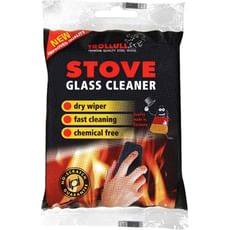
- Wood-Burning Stove Owners: Specialist cleaning pads designed specifically for removing soot and residue from stove glass without scratching.
How to Choose the Right Wire Wool
Grade Selection: Match the grade to your application. Use grade 3-4 for heavy rust removal and stripping, grades 1-2 for general cleaning and preparation, grades 0-00 for fine finishing and rubbing down between coats, and grades 000-0000 for applying waxes and achieving ultra-smooth finishes on delicate surfaces.
Material Type: Choose standard steel wool for dry applications and general workshop use where rust isn't a concern. Opt for stainless steel wool when working with water, chemicals, or on surfaces where rust staining could cause problems, such as light-coloured wood or marine applications.
Pack Size and Format: Consider how much wire wool your project requires. Individual pads suit occasional users, whilst multi-packs and assorted grade sets available at Tooled-Up offer better value for regular use. Handy rolls provide convenient dispensing for professional tradespeople, and extra-large pads cover greater surface areas more efficiently.
Application-Specific Products: Some wire wool products are optimised for particular tasks, such as stove glass cleaning pads or plumber's pads. These specialist formats often include the most appropriate grade and may feature enhanced durability for their intended use.
Brand Considerations: Established brands like Faithfull and Trollull produce industrial-quality wire wool with consistent performance. Faithfull offers comprehensive assorted grade packs ideal for workshops needing versatility, whilst Trollull specialises in convenient formats for specific trades.
Popular Accessories
- Paint Strippers and Removers: Chemical strippers work effectively with coarser wire wool grades to remove multiple layers of paint or varnish.
- Wax Polishes: Furniture waxes and finishing waxes applied with fine-grade wire wool create professional results on wood surfaces.
- Wire Brushes: Complement wire wool for heavier cleaning tasks and accessing tight spaces where pads cannot reach.
- Abrasive Papers and Sheets: Used alongside wire wool for comprehensive surface preparation across different materials and contours.
- Work Gloves: Protective gloves prevent splinters from steel strands and protect hands during extended use.
- Chemical-Resistant Gloves: Essential when using wire wool with paint strippers, solvents, or other harsh chemicals.
- Dust Masks and Respirators: Protect against fine metal particles and chemical fumes during stripping and preparation work.
Safety Information
Always wear appropriate protective gloves when using wire wool, as fine steel strands can cause splinters and skin irritation. When using wire wool with chemical strippers or solvents, wear chemical-resistant gloves and ensure adequate ventilation to avoid inhaling fumes. Safety glasses protect eyes from loose strands and debris, particularly important during overhead work or vigorous scrubbing.
Be aware that fine steel particles are flammable—dispose of used wire wool carefully and never leave accumulations near heat sources or naked flames. When working with power tools or electrical equipment, keep wire wool and loose strands away from moving parts and electrical connections to prevent short circuits. Follow HSE guidelines and COSHH regulations when using wire wool with chemical products.
Store wire wool in a dry location to prevent rust on standard steel grades. Keep away from children, as the fine strands pose injury risks. After use, ensure all steel fragments are cleaned from work surfaces, particularly important in food preparation areas or on surfaces where they could transfer to skin or clothing.
Frequently Asked Questions
What grade of wire wool should I use for removing varnish?
Use grade 2 or 3 wire wool in conjunction with a chemical paint stripper for removing varnish. The coarser texture effectively lifts softened varnish without excessive effort. Follow with finer grades (0 or 00) to smooth the surface before refinishing.
Can I use wire wool on stainless steel surfaces?
Always use stainless steel wool on stainless steel surfaces, never standard steel wool. Standard steel wool can leave iron particles that rust and stain stainless steel. Stainless steel wool cleans effectively without contamination risks.
What's the difference between 00 and 0000 grade wire wool?
Grade 0000 is significantly finer than grade 00. Use 0000 for final polishing, applying wax finishes, and working on delicate surfaces where any scratching must be avoided. Grade 00 suits inter-coat rubbing down and general fine finishing work where slight abrasion is acceptable.
Will wire wool scratch glass?
Fine grades (000 to 0000) and specialist stove glass cleaning pads won't scratch glass when used correctly with appropriate cleaning solutions. Avoid coarser grades and excessive pressure. Always test in an inconspicuous area first, and keep the surface lubricated during cleaning.
How do I dispose of used wire wool safely?
Allow used wire wool to dry completely if it has been used with flammable solvents. Wrap in newspaper or place in a sealed container before disposing in general waste. Never burn wire wool or leave combustible residue-laden pads where they could spontaneously ignite.