

Wood Care

Pay in 3 interest-free payments on purchases from £20-£3000 with  . Learn more.
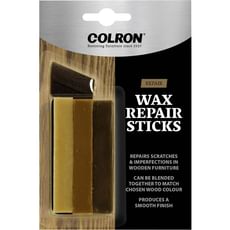
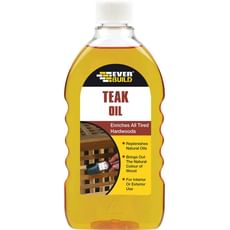
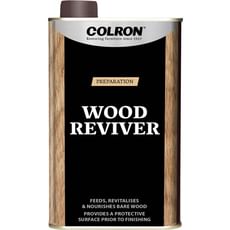
Loading...
End of content
Error - No more pages to load
About Wood Care
Wood care encompasses a comprehensive range of products designed to protect, preserve, and enhance timber surfaces both indoors and outdoors. From structural timber and garden decking to wooden furniture and interior flooring, proper wood care is essential for extending the lifespan of wooden items whilst maintaining their natural beauty. The right treatments can prevent rot, insect infestation, UV damage, and moisture penetration, whilst enhancing the grain and colour of the wood.
The wood care category at Tooled-Up.com includes specialist products for every application, from initial preparation through to final finishing. Whether treating new timber before installation or reviving weathered garden furniture, these products address the specific challenges wood faces in different environments. Exterior timber requires protection against Britain's unpredictable weather, whilst interior wood benefits from oils and waxes that nourish and protect against daily wear.
Modern wood care formulations balance effectiveness with environmental responsibility, offering water-based alternatives alongside traditional solvent-based products. From microporous breathable finishes that allow timber to naturally regulate moisture, to penetrating oils that feed wood from within, the technology behind wood preservation has advanced significantly whilst remaining accessible to both professional tradespeople and DIY enthusiasts.
Jargon Buster
- Microporous: A breathable finish that allows moisture vapour to escape from within the wood whilst preventing liquid water from penetrating, reducing the risk of blistering and peeling.
- Penetrating Oil: A treatment that soaks into the wood fibres rather than forming a surface film, nourishing timber from within and enhancing natural grain patterns without creating a glossy coating.
- Wood Preservative: A chemical treatment that protects timber against biological attack from fungi, rot, and wood-boring insects, essential for structural timber and outdoor applications.
- Decking Oil: A specialist formulation designed for horizontal exterior timber surfaces, typically containing UV filters and anti-slip additives whilst allowing wood to breathe naturally.
- Hardwood vs Softwood Treatment: Different timber species have varying porosity and oil content, requiring specific formulations – hardwoods like oak and teak need less frequent treatment than softwoods like pine.
- Tannic Acid Staining: The dark discolouration that occurs when iron fixings react with tannins in certain timbers, particularly oak, requiring specialist stain removers and preparation before finishing.
Who Uses Wood Care?
- Joiners and carpenters treating timber during installation and manufacture
- Painters and decorators preparing and finishing wooden surfaces
- Property maintenance professionals maintaining exterior woodwork on residential and commercial buildings
- Landscape gardeners treating decking, fencing, and outdoor timber structures
- Shop fitters and interior specialists finishing timber installations and fixtures
- Furniture restorers reviving and protecting antique and modern wooden furniture
- Property developers and builders treating structural timber and exterior joinery
- Homeowners and DIY enthusiasts maintaining decks, fences, garden furniture, and interior woodwork
- Facility managers maintaining wooden fixtures in commercial and public buildings
- Heritage and conservation specialists preserving historic timber structures
How to Choose the Right Wood Care
Selecting appropriate wood care products depends primarily on the location and use of the timber. Exterior wood faces harsh UV exposure, temperature fluctuations, and moisture, requiring robust protection with fungicides and UV filters. Interior wood needs treatments that enhance appearance whilst remaining safe for occupied spaces, often prioritising low-VOC formulations.
Consider the timber species when selecting treatments. Hardwoods like oak and teak contain natural oils and tannins that affect product compatibility, whilst softwoods like pine are more porous and absorbent, requiring different application rates and drying times. Some products are formulated specifically for particular species to deliver optimal results.
The existing finish condition determines whether preparation products are necessary before applying treatments. Weathered timber may need cleaning and wood restorers to remove grey oxidised layers, whilst previously painted or varnished surfaces require strippers or sanding before recoating. Match the product sheen level – from matt through satin to gloss – to the desired aesthetic and practical requirements.
Environmental considerations increasingly influence product choice. Water-based formulations available from Tooled-Up offer reduced odour and faster drying times with lower environmental impact, whilst maintaining excellent protection. For high-traffic areas or demanding exterior applications, solvent-based products may still offer superior durability. Check coverage rates carefully, as penetrating oils typically require more material than film-forming finishes.
Popular Accessories
- Brushes and applicators: Natural bristle brushes for oil-based products, synthetic brushes for water-based treatments, and lambswool applicators for decking oil
- Preparation tools: Wire brushes, sanding pads, and deck scrubbers for surface preparation
- Paint scrapers and strippers: For removing old finishes before recoating
- Wood fillers and repair compounds: To address damage and imperfections before treatment
- Masking tape and dust sheets: Essential protection during application
- Stirring sticks and mixing paddles: For thorough product preparation
- Cleaning solutions: White spirit for oil-based products, water and detergent for water-based treatments
- Personal protective equipment: Gloves, safety glasses, and respirators where required
- Application trays and buckets: For efficient working with larger surface areas
Safety Information
Wood care products often contain chemicals requiring careful handling. Always read manufacturer safety data sheets and follow COSHH guidelines when using wood preservatives, particularly those containing biocides. Ensure adequate ventilation when working with solvent-based products, and wear appropriate respiratory protection if recommended on the product label.
Protect skin and eyes with suitable gloves and safety glasses during application, as many wood treatments can cause irritation on contact. Some wood preservatives are harmful to aquatic life, so take care to prevent runoff into drains or watercourses when treating exterior timber. Dispose of waste materials responsibly according to local regulations.
Allow treated timber to dry thoroughly before contact with skin or food surfaces, following manufacturer guidelines for safe handling times. Store wood care products securely away from children and pets, in original containers with labels intact. Never transfer products to unmarked containers. Some wood oils are subject to spontaneous combustion when soaked into rags – dispose of used cloths safely by soaking in water before disposal.
Frequently Asked Questions
How often should exterior wood be treated?
Treatment frequency depends on exposure and product type. Most decking oils require annual application, whilst high-quality wood stains may last 3-5 years. Inspect timber regularly for water absorption – if water no longer beads on the surface, retreatment is due. Heavily weathered surfaces facing south or west typically need more frequent attention than sheltered areas.
Can I apply wood treatment over existing finishes?
This depends on the existing finish and new product compatibility. Oils and stains can usually be recoated with similar products after cleaning and light sanding. However, switching between product types typically requires complete removal of old finishes. Paint and varnish must be stripped before applying penetrating oils, as they prevent proper absorption.
What's the difference between wood stain and wood paint?
Wood stains penetrate into timber fibres whilst allowing grain to remain visible, offering a semi-transparent finish that highlights natural wood character. Wood paints form an opaque surface film that completely covers grain and colour. Stains require more frequent maintenance but are easier to refresh without extensive preparation, whilst paints offer longer protection but need more thorough preparation when recoating.
How do I treat green or slimy decking?
Remove algae and organic growth using a dedicated decking cleaner before applying any protective treatment. Scrub thoroughly with a stiff brush, rinse well, and allow timber to dry completely for several days. Apply a fungicidal wash if growth is persistent, then treat with decking oil or stain containing biocides to prevent regrowth. Address drainage issues that keep timber persistently damp.
Are wood preservatives safe for vegetable planters and raised beds?
Use only preservatives specifically labelled as safe for contact with soil growing edible plants. Many standard wood treatments contain biocides unsuitable for food-growing applications. Purpose-made horticultural wood preservatives are available, or consider naturally durable timber species like cedar that require minimal treatment. Alternatively, line planters with membrane to prevent soil contact with treated timber.