

Wood Rasps
Pay in 3 interest-free payments on purchases from £30-2000 with  . Learn more.

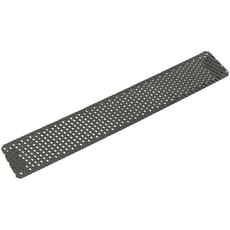

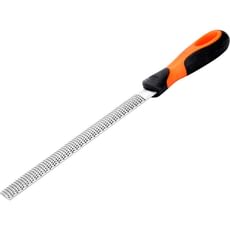
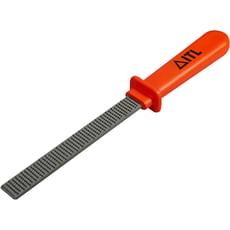
 Loading...
End of content
Error - No more pages to load
About Wood Rasps
Wood rasps are essential hand tools designed for the rapid removal and shaping of wood, delivering a coarser cut than traditional files whilst offering superior control compared to power sanding tools. Featuring rows of raised, individual teeth rather than the continuous ridges found on files, rasps excel at quickly removing material from timber, plywood, MDF, and other soft materials. The aggressive cutting action makes them indispensable for shaping curved surfaces, smoothing rough timber edges, and fine-tuning joinery work where precision matters.
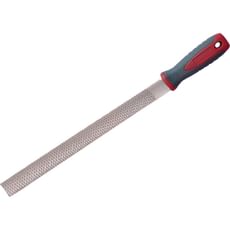
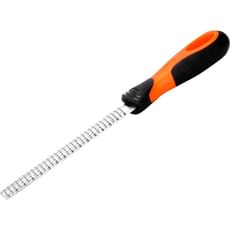
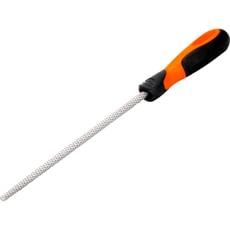
The selection at Tooled-Up.com includes several profile types to suit different applications. Flat rasps provide broad, even material removal across level surfaces, whilst half-round versions offer versatility with a flat face for general work and a curved face for concave shaping and enlarging holes. Round rasps, sometimes called rat-tail rasps, specialise in shaping tight curves and circular openings. Cabinet rasps feature a finer tooth pattern for more delicate finishing work on furniture and joinery projects. Leading manufacturers like Bahco, Draper, Faithfull, and Sealey offer both individual rasps and convenient multi-piece sets to cover a range of workshop requirements.
Modern wood rasps have evolved significantly from traditional designs, with ergonomically shaped handles providing superior grip and reduced hand fatigue during extended use. Many professional-grade rasps feature two-component handles developed through ergonomic research, ensuring comfort and control even during demanding shaping tasks. The combination of aggressive material removal with precise control makes wood rasps an invaluable addition to any woodworker's toolkit.
Jargon Buster
- Rasp Cut: The tooth pattern found on rasps, consisting of individual raised teeth rather than continuous ridges. This aggressive pattern removes material quickly but leaves a rougher surface than file cuts.
- Cabinet Rasp: A finer-toothed rasp designed for delicate work on furniture, cabinetry, and finished joinery where a smoother finish is required straight from the tool.
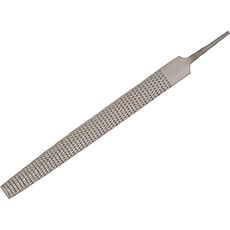
- Tang: The tapered, pointed end of the rasp that fits into the handle. The tang should be properly seated to ensure safe operation and prevent the handle working loose during use.
- Half-Round Profile: A versatile rasp shape featuring one flat face and one curved face, allowing work on both flat and concave surfaces without changing tools.
- Cut Grade: Refers to the coarseness of the teeth, typically classified as coarse (bastard), medium (second cut), or fine (smooth). Coarser cuts remove material faster but leave rougher surfaces.
- Multirasp: A modern rasp design featuring replaceable blade sections or multiple cutting surfaces in a single tool, offering versatility for different materials and applications.
Who Uses Wood Rasps?
- Carpenters and Joiners: For shaping timber joints, smoothing door edges, and fine-tuning bespoke woodwork installations
- Cabinet Makers: Essential for detailed furniture construction, curved work, and achieving precise fits in high-quality joinery
- Wood Turners: Used alongside chisels for shaping and refining turned pieces whilst still on the lathe
- Luthiers: Invaluable for the precise shaping required in musical instrument construction and repair
- Boat Builders: For shaping wooden components, particularly curved sections and complex joints in traditional boat building
- Sculptors and Woodcarvers: Essential for rough shaping and removing bulk material before detailed carving work begins
- DIY Enthusiasts: Useful for home improvement projects, furniture restoration, and general woodworking hobbies
- Restoration Specialists: Critical for sympathetically repairing and matching historic woodwork in conservation projects
How to Choose the Right Wood Rasps
Selecting appropriate wood rasps depends on several key factors. Consider the profile shape based on your typical work – flat rasps suit general stock removal and edge smoothing, half-round versions offer maximum versatility for both flat and curved work, whilst round rasps are essential if you frequently shape holes or tight concave curves. For specialised furniture work, cabinet rasps with their finer teeth deliver superior results.
The cut grade significantly impacts performance. Coarse (bastard cut) rasps remove material aggressively but require more sanding afterwards, making them ideal for rapid shaping work. Medium cuts balance speed with finish quality for general-purpose applications. Fine (smooth cut) rasps, including cabinet rasps, produce surfaces requiring minimal further finishing but work more slowly.
Length matters for both reach and control – 200mm (8-inch) rasps suit most general work, whilst longer 250-300mm versions provide better reach and faster material removal on larger projects. Shorter rasps under 150mm excel in confined spaces and detailed work. Tooled-Up stocks trusted brands like Bahco, whose Ergo range features scientifically developed two-component handles that reduce hand fatigue significantly during extended use. Handle comfort should never be overlooked, particularly for professional tradespeople using rasps daily.
For those establishing a workshop or requiring versatility, rasp sets from manufacturers like Sealey offer excellent value, typically including flat, half-round, and round profiles in a single purchase. This approach ensures you have the right tool for various situations without investing in multiple individual rasps initially.
Popular Accessories
- File and Rasp Handles: Replacement handles for tang-fitted rasps, available in various sizes and ergonomic designs
- File Card Brushes: Specialised wire brushes for cleaning material buildup from between rasp teeth, maintaining cutting efficiency
- Abrasive Paper and Sanding Blocks: For smoothing surfaces after rasp work, progressing through grits for final finishing
- Woodworking Vices and Clamps: Essential for securing workpieces safely whilst rasping, preventing movement and ensuring accuracy
- Protective Sleeves and Tool Rolls: Storage solutions that protect rasp teeth from damage and keep your toolkit organised
- Marking and Measuring Tools: Pencils, marking gauges, and callipers for accurate layout work before shaping
- Wood Chisels: Complementary tools for detailed work alongside rasping operations
Safety Information
Whilst wood rasps are relatively safe hand tools, proper practices prevent injury and ensure optimal results. Always secure workpieces firmly in a vice or with clamps – never attempt to rasp material held only by hand, as slippage can cause injury from both the sharp teeth and the workpiece itself. Work away from your body, maintaining a stable stance with good balance.
Wear appropriate eye protection when rasping, as the aggressive cutting action generates wood chips and dust that can cause eye irritation. Consider dust masks when working extensively with MDF or treated timber, as rasping produces fine particles that shouldn't be inhaled. The HSE recommends adequate ventilation when working with wood dust, which is classified as a respiratory sensitiser.
Inspect rasp teeth regularly for damage or excessive wear – worn rasps require more pressure and provide less control, increasing accident risk. Ensure handles are properly fitted and secure before use, as a loose handle can cause the tang to injure your hand during operation. Store rasps separately or with tooth protection to prevent accidental cuts and maintain cutting efficiency by avoiding damage from contact with other tools.
Frequently Asked Questions
What's the difference between a rasp and a file?
Rasps feature individual raised teeth designed for rapid, aggressive material removal, whilst files have continuous ridged cutting surfaces that produce smoother finishes. Rasps excel at quickly shaping wood and soft materials, whereas files are better suited to metal work and achieving finer surface finishes. For woodworking, rasps remove material faster but typically require follow-up sanding for smooth results.
How do I clean and maintain wood rasps?
Use a file card brush (a specialised wire brush) to remove wood fibres and debris from between the teeth, brushing along the length of the rasp. For stubborn buildup, a brass wire brush works well without damaging the teeth. Store rasps in a dry environment, preferably separated from other tools to prevent tooth damage. Occasional light oiling prevents rust, though avoid excessive oil that might transfer to workpieces and interfere with finishing.
Can wood rasps be used on materials other than wood?
Yes, wood rasps work effectively on various soft materials including plywood, MDF, chipboard, plastics, wallboard, and even soft metals like aluminium. However, avoid using them on hardened steel or very hard materials, which will quickly dull or damage the teeth. Some manufacturers produce specialised rasps for specific materials, but standard wood rasps handle most soft-to-medium materials encountered in typical workshop and site applications.
Should I buy individual rasps or a set?
This depends on your requirements and budget. If you need a specific profile for particular work, purchasing an individual high-quality rasp makes sense. However, for those building a toolkit or requiring versatility, sets offer excellent value and ensure you have multiple profiles available. Sets typically include flat, half-round, and round rasps, covering most common woodworking scenarios. Consider your typical projects when deciding – furniture makers might prioritise cabinet rasps, whilst general carpentry benefits from standard coarser cuts.
How long should a wood rasp last?
With proper use and maintenance, quality wood rasps from reputable manufacturers can last many years, even with regular professional use. The teeth gradually wear down rather than failing suddenly. Signs that replacement is needed include noticeably reduced cutting efficiency, requiring excessive pressure, or visible tooth damage. Rasps used primarily on softwoods last longer than those frequently used on harder materials or abrasive composites like MDF.