
Woodworking Tools

Pay in 3 interest-free payments on purchases from £20-£3000 with  . Learn more.

Loading...
End of content
Error - No more pages to load
About Woodworking Tools
Woodworking tools represent some of the most fundamental and enduring implements in any tradesperson's or craftsman's toolkit. From precision chisels that pare away wafer-thin shavings to hand planes that transform rough timber into smooth, finished surfaces, these essential tools enable everything from fine furniture making to structural carpentry work. Traditional hand woodworking tools offer a level of control, finesse and quiet operation that powered alternatives simply cannot match, making them indispensable for detail work, restoration projects and situations where power tools prove impractical.
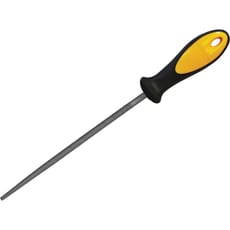
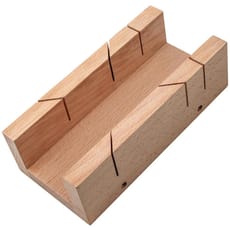
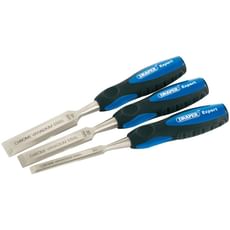
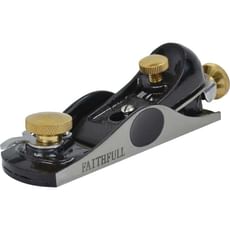
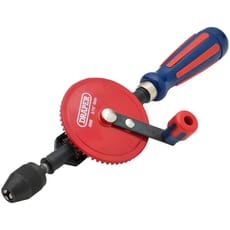
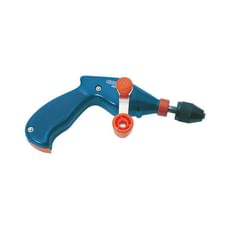
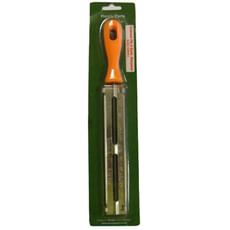
The range at Tooled-Up.com encompasses all the fundamental categories of hand woodworking tools, including carving tools for decorative work, chisels in various widths and profiles, files and rasps for shaping, hand braces and drills for creating holes without electricity, mitre blocks and boxes for accurate angle cuts, planes for smoothing and dimensioning timber, web stretchers for upholstery work, and wood scrapers for achieving flawless surface finishes. Each category contains specialist tools designed for specific applications, from heavy-duty site work to delicate cabinet making.
Quality woodworking tools from established manufacturers such as Stanley, Bahco and Irwin deliver the precision, durability and edge retention that professional results demand. Whether you're a time-served joiner working on bespoke commissions, a carpenter on site, a furniture restorer preserving period pieces, or an enthusiastic DIYer developing traditional skills, investing in proper woodworking hand tools provides capabilities that remain relevant regardless of technological advances in power tool development.
Jargon Buster
- Bevel: The angled cutting edge ground onto a chisel, plane iron or other edged tool, typically between 25-30 degrees for general woodworking applications. A secondary micro-bevel may be added for durability.
- Grain Direction: The orientation of wood fibres in timber, critically important when planing or chiselling. Working "with the grain" produces smooth cuts, whilst working "against the grain" causes tear-out and rough surfaces.
- Shooting Board: A workshop jig used with a hand plane to create perfectly square edges or accurate mitre angles on workpieces, ensuring joints fit precisely without gaps.
- Burnishing: The process of turning a small burr or hook on a cabinet scraper blade by rubbing with a hardened steel rod, creating the cutting edge that produces gossamer-thin shavings.
- Mortise and Tenon: A fundamental woodworking joint where a projecting tenon fits into a corresponding mortise (rectangular hole). Mortise chisels are specifically designed for chopping out these recesses.
- Kerf: The width of material removed by a saw blade when cutting. Understanding kerf is essential when marking out joints and cutting timber to precise dimensions.
Who Uses Woodworking Tools?
- Joiners and Cabinet Makers: Professionals creating bespoke furniture, fitted kitchens, staircases and architectural joinery requiring precision hand-finishing
- Carpenters and Chippies: Site-based tradespeople using hand tools for second-fixing, door hanging, skirting installation and detail work where power tools prove cumbersome
- Furniture Restorers: Specialists repairing and conserving antique pieces using traditional techniques and tools appropriate to period craftsmanship
- Boat Builders: Marine craftspeople working with timber frames, planking and interior joinery in confined spaces where hand tools offer superior control
- Musical Instrument Makers: Luthiers crafting guitars, violins and other wooden instruments requiring exceptionally fine tolerances and surface finishes
- Wood Carvers and Sculptors: Artists creating decorative work, relief carving, architectural details and three-dimensional sculptures from timber
- Property Maintenance Professionals: Multi-trade operatives carrying essential hand tools for repairs, modifications and installation work across varied properties
- DIY Enthusiasts and Hobbyists: Home woodworkers developing traditional skills for furniture projects, home improvements and creative satisfaction
- Heritage Building Specialists: Tradespeople working on listed buildings and conservation projects using period-appropriate tools and techniques
How to Choose the Right Woodworking Tools
Identify Your Primary Applications: Consider whether you need tools for heavy stock removal, fine finishing work, joint cutting or decorative carving. A site carpenter requires robust chisels and planes for general work, whilst a furniture maker needs premium tools capable of glass-smooth finishes. Match tool quality and specification to your actual requirements rather than purchasing unnecessarily expensive implements for occasional use or compromising with inadequate tools for professional applications.
Blade Material and Edge Retention: Carbon steel tools are easier to sharpen and achieve keener edges but require more maintenance to prevent rust. Modern alloy steels offer improved edge retention and corrosion resistance. Laminated blades combining a hard steel cutting edge with a softer backing provide excellent performance. Tools from manufacturers available at Tooled-Up feature quality blade materials appropriate to their intended use and price point.
Handle Design and Comfort: Since hand tools demand physical effort and fine control, ergonomic handle design significantly impacts both comfort and precision. Traditional hardwood handles on chisels and files provide excellent feel and durability, whilst modern composite materials offer improved grip when hands are damp. Consider the balance and weight distribution—tools should feel comfortable during extended use without causing fatigue or strain.
Size and Specification Range: Most woodworking tasks require multiple tool sizes. Chisel sets typically range from 6mm to 38mm widths, whilst planes come in various lengths for different applications. Build your toolkit gradually, starting with the most commonly used sizes (10mm, 15mm and 25mm chisels, for example) then adding specialist dimensions as specific projects demand them.
New Versus Vintage Tools: Quality vintage woodworking tools from manufacturers like Stanley and Record can offer exceptional value and performance when properly restored. However, they require knowledge to assess condition and may need refurbishment. New tools provide consistent quality, warranty coverage and immediate readiness for use, making them preferable for those starting out or requiring reliable performance for professional work.
Popular Accessories
- Sharpening Systems: Whetstones, diamond plates, honing guides and leather strops for maintaining razor-sharp cutting edges
- Tool Storage: Canvas tool rolls, wooden tool chests and wall-mounted racks from ranges like Stanley FatMax for organised, protected storage
- Marking and Measuring Tools: Marking gauges, sliding bevels, combination squares and marking knives for accurate layout work
- Bench Accessories: Woodworking vices, bench dogs, holdfast clamps and bench hooks for securing work safely
- Lubricants and Protectants: Camellia oil, paste wax and light machine oil for rust prevention and smooth tool operation
- Replacement Blades: Spare plane irons, scraper blades and spokeshave cutters for maintaining tool performance
- Safety Equipment: Work gloves, dust masks and safety glasses appropriate for hand tool operations
- Sandpaper and Abrasives: Various grits for final finishing after hand tool preparation
Safety Information
Whilst hand woodworking tools lack the obvious hazards of 240v power tools, they demand respect and proper technique to prevent injury. Keep all cutting edges sharp—paradoxically, dull tools are more dangerous as they require excessive force and are more likely to slip. Always cut away from your body and keep hands behind the cutting direction. Secure workpieces properly using vices, clamps or bench hooks rather than attempting to hold timber by hand whilst cutting or chiselling.
Store sharp tools with edge guards or in dedicated tool rolls to protect both the edges and your hands. When carrying chisels or other edged implements, hold them point-down at your side. Maintain clear, organised workspaces free from clutter that could cause trips or interfere with tool operation. Wear appropriate eye protection when using tools that may produce flying chips or splinters, particularly when chopping mortises or working with hard, brittle timbers.
Ensure adequate lighting for precision work—poorly lit conditions increase the risk of errors and accidents. For prolonged hand tool use, take regular breaks to prevent fatigue, which compromises both safety and work quality. Follow HSE guidance regarding manual handling and repetitive tasks, particularly in professional environments where hand tool use forms a significant proportion of daily work.
Frequently Asked Questions
Do I need expensive hand tools as a beginner?
Beginners should seek mid-range tools offering decent quality without premium pricing. Avoid the cheapest offerings which often feature poor steel that won't hold an edge and frustrating design flaws, but you needn't invest in top-tier tools until your skills develop and you understand your specific requirements. A modest set of quality chisels from established brands like Stanley or Bahco provides an excellent starting point.
How often do woodworking tools need sharpening?
Sharpening frequency depends on usage intensity, timber hardness and the standards you require. Professional woodworkers typically sharpen plane irons and chisels several times daily during intensive use. For occasional DIY work, sharpening every few hours of actual cutting time maintains good performance. Learning to recognise when edges dull—through increased effort required or diminished surface quality—comes with experience.
Can hand woodworking tools handle hardwoods like oak?
Quality hand tools excel at working all timber species, including dense hardwoods, when properly sharpened and used with correct technique. Hardwoods actually produce cleaner results with sharp hand tools than softwoods, which can tear or compress. Adjust cutting depth to take finer shavings with harder species, and ensure blade angles suit the material—slightly higher bevel angles provide more durable edges for demanding timbers.
What's the difference between bench chisels and mortise chisels?
Bench chisels (also called bevel-edge chisels) feature bevelled sides allowing access into acute angles like dovetails, with relatively thin blades for paring cuts. Mortise chisels have much thicker, rectangular-section blades designed to withstand the levering forces involved in chopping deep mortises. Using bench chisels for heavy mortising risks blade damage, whilst mortise chisels prove too thick for fine joinery work.
Are vintage woodworking tools worth buying?
Quality vintage tools from respected manufacturers can offer superb value, often featuring superior materials and construction compared to modern budget equivalents. However, purchasing vintage tools requires knowledge to assess condition, identify quality examples and avoid problem pieces. Factor in potential restoration time and costs for handles, rust removal and blade work. For immediate professional use or beginners lacking assessment skills, new tools provide more predictable performance.