

Woodworm Killer

Pay in 3 interest-free payments on purchases from £20-£3000 with  . Learn more.
 Loading...
End of content
Error - No more pages to load
About Woodworm Killer
Woodworm killer is a specialist chemical treatment designed to eradicate wood-boring insects and their larvae from timber structures, furniture, and joinery. These powerful insecticidal solutions penetrate deep into affected wood to eliminate active infestations and provide long-term protection against re-infestation. Modern formulations combine effective active ingredients with low-odour, low-solvent technologies that make them safer and more pleasant to use in domestic and commercial settings. Available in ready-to-use formats, woodworm treatments are essential for preserving the structural integrity of timber in buildings, protecting valuable wooden furniture, and preventing the spread of destructive beetle infestations.
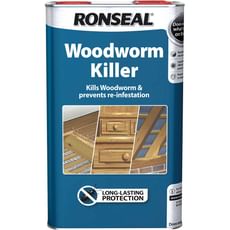
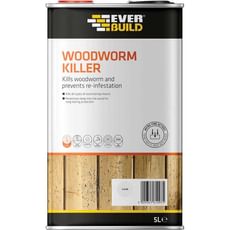
The selection at Tooled-Up.com includes professional-grade woodworm killers from trusted manufacturers like Everbuild and Ronseal, formulated to combat all common types of wood-boring insects including the common furniture beetle (Anobium punctatum), deathwatch beetle, house longhorn beetle, and powder post beetle. These treatments work by delivering insecticides deep into the timber structure where larvae feed and develop, breaking the lifecycle and preventing future generations. Most products available are water-based or low-solvent formulations that dry quickly, emit minimal odour, and are non-flammable, making them suitable for use in occupied buildings with appropriate ventilation.
Woodworm killer products are typically supplied in convenient sizes ranging from 1 to 5 litres, with application methods including brush, spray, or injection techniques depending on the severity and location of the infestation. Professional treatments offer residual protection that can last for many years, creating a chemical barrier that deters new infestations and protects treated timber from future attack. Whether tackling an active infestation in roof timbers, treating reclaimed wood before installation, or protecting valuable antique furniture, selecting the right woodworm treatment is crucial for effective, long-lasting results.
Jargon Buster
- Wood-Boring Insects: Beetles and their larvae that tunnel through timber, feeding on cellulose and leaving characteristic exit holes and frass (wood dust). The common furniture beetle is the most prevalent in UK properties.
- Micro-Fine Active Technology: Advanced formulation technique where insecticide particles are reduced to microscopic size, allowing deeper penetration into timber fibres for more effective treatment and longer-lasting protection.
- Flight Holes: Small circular exit holes (typically 1-2mm diameter) created when adult beetles emerge from timber, indicating current or previous woodworm activity. Fresh holes with clean edges and pale wood suggest active infestation.
- Frass: Fine, powdery wood dust produced by larvae as they tunnel through timber. Fresh frass falling from flight holes is a clear sign of active woodworm infestation requiring immediate treatment.
- Residual Protection: The long-term protective effect of woodworm killer that remains active within treated timber, continuing to kill emerging larvae and deter new infestations for years after application.
- Low-Solvent Formulation: Modern woodworm treatments that use minimal organic solvents, reducing odour, flammability risk, and environmental impact whilst maintaining effective insecticidal performance.
Who Uses Woodworm Killer?
- Building Surveyors: Identifying and specifying treatment for timber infestations during property surveys and pre-purchase inspections
- Timber Treatment Specialists: Professional woodworm and dry rot treatment companies carrying out remedial work on structural timber
- Property Developers and Renovators: Treating infestations discovered during renovation projects and protecting reclaimed timber before installation
- Carpenters and Joiners: Protecting timber before installation and treating discovered infestations in structural and decorative woodwork
- Furniture Restorers: Treating antique and vintage furniture to eliminate infestations whilst preserving valuable pieces
- Maintenance Contractors: Addressing woodworm problems in commercial and residential properties as part of ongoing maintenance programmes
- Homeowners and DIY Enthusiasts: Tackling woodworm infestations in roof spaces, floor joists, furniture, and other timber structures around the home
- Heritage Building Specialists: Treating historic timber structures whilst adhering to conservation guidelines and building regulations
How to Choose the Right Woodworm Killer
Coverage and Container Size: Calculate the total surface area requiring treatment to determine the volume needed. Products from Tooled-Up typically cover 5-8 square metres per litre depending on timber porosity and application method. Larger 5-litre containers offer better value for extensive infestations in roof spaces or multiple rooms, whilst smaller sizes suit individual furniture pieces or localised treatments.
Formulation Type: Consider whether you need a water-based or solvent-based treatment. Modern low-solvent formulations offer reduced odour and faster drying times, making them ideal for occupied buildings and indoor use. They're also non-flammable, eliminating fire risk during application. Water-based treatments are generally preferred for domestic use, whilst maintaining professional-grade effectiveness against all common wood-boring insects.
Active Ingredients and Protection: Look for products containing proven insecticides that provide both immediate kill and long-term residual protection. Micro-fine active technology ensures deep penetration into timber, reaching larvae within the wood structure. Quality treatments should protect against re-infestation for at least 10-20 years, offering peace of mind and long-term value.
Application Method: Consider how you'll apply the treatment. Most woodworm killers can be brushed or sprayed onto exposed timber surfaces. For severe infestations or structural timbers, injection into flight holes may be necessary using a specialist applicator. Brush application works well for accessible surfaces like furniture and exposed beams, whilst spray application speeds up treatment of large areas like roof spaces.
Drying Time and Recoating: Fast-drying formulations minimise disruption and allow quicker return to use. Most modern treatments dry within 2-4 hours, though full curing may take longer. Consider whether the timber will require subsequent decoration or finishing, as some treatments may affect paint or varnish adhesion. Always check manufacturer recommendations for overcoating times.
Odour and Indoor Use: Low-odour formulations are essential for occupied buildings and indoor furniture treatment. Traditional high-solvent treatments can produce strong, lingering smells that make premises uninhabitable for days. Modern low-odour alternatives make indoor application practical with basic ventilation, though adequate airflow should always be maintained during and after treatment.
Popular Accessories
- Pump Sprayers: Pressure sprayers for efficient application over large areas like roof timbers and floor joists
- Disposable Brushes: Wide brushes for applying treatment to accessible timber surfaces and structural members
- Injection Applicators: Specialist tools for injecting woodworm killer directly into flight holes for deep penetration treatment
- Protective Equipment: Gloves, safety glasses, and respiratory protection for safe handling of chemical treatments
- Timber Probes: Detection tools for assessing the extent of damage and identifying weakened timber requiring replacement
- Wood Hardener: Consolidating treatments for strengthening timber damaged by woodworm activity before repair
- Wood Filler: Two-part epoxy or flexible fillers for repairing flight holes and damaged areas after treatment
- Dust Sheets and Masking Materials: Protection for floors, furniture, and surfaces during application in occupied spaces
Safety Information
Woodworm killers contain insecticidal chemicals and must be handled with appropriate care. Always wear protective gloves, safety glasses, and ensure adequate ventilation during application, particularly in confined spaces like roof voids. A respirator mask may be necessary for spray application or when working in poorly ventilated areas. Follow COSHH (Control of Substances Hazardous to Health) guidelines when using chemical treatments professionally.
Keep woodworm killer away from children, pets, and foodstuffs during storage and application. Remove or protect fish tanks and other aquatic life before treatment, as many insecticides are highly toxic to aquatic organisms. Avoid contact with skin and eyes, and wash thoroughly after use. Do not eat, drink, or smoke during application.
Ensure treated areas are well-ventilated during application and drying. Whilst modern low-solvent formulations are less hazardous than traditional treatments, allowing fresh air circulation minimises exposure to vapours. Keep people and pets away from treated areas until completely dry. Dispose of empty containers responsibly according to local authority guidelines, and never pour unused product down drains. Always read and follow manufacturer safety instructions and product labels before use.
Frequently Asked Questions
How do I know if I have an active woodworm infestation?
Look for fresh flight holes with clean, sharp edges and pale wood visible inside. Active infestations typically produce fine, powdery frass (wood dust) that appears below or around holes. You may also spot small beetles emerging between May and August (peak flight season). Old, inactive infestations show dark holes with no fresh dust. If uncertain, collect any dust on dark paper below suspected areas and check after a few weeks for new accumulation indicating active larvae.
Can I treat woodworm myself or do I need a professional?
Minor infestations in accessible areas like furniture or exposed beams can often be treated successfully by competent DIY users following product instructions carefully. However, extensive structural infestations affecting roof timbers, floor joists, or large areas may require professional assessment and treatment, particularly if structural damage has occurred. Professionals can also provide treatment guarantees and insurance-backed warranties. Consider professional help if dealing with heritage buildings or if you're unsure about the extent of the problem.
How long does woodworm treatment take to work?
Woodworm killer begins working immediately upon contact with larvae, but complete eradication takes time as the treatment must penetrate deep into the timber structure. Surface application kills emerging beetles and larvae near the surface quickly, whilst residual protection continues working against deeper larvae as they feed and move through treated wood. New flight holes may still appear for 12-18 months after treatment as larvae already in the wood complete their development, but no new generations should establish in properly treated timber.
Will woodworm killer damage painted or varnished surfaces?
Most modern woodworm treatments are designed to penetrate bare timber and may affect existing paint, varnish, or polish finishes. For best results, remove surface coatings from affected areas before treatment to allow proper penetration. Some products can be applied to surfaces that will later be painted or varnished, but always check manufacturer guidance. On valuable antique furniture, test in an inconspicuous area first or seek advice from a furniture restoration specialist before treating.
How much coverage will I get from a 5-litre container?
Coverage varies depending on timber type, porosity, and application method, but typically expect 25-40 square metres per 5-litre container for standard brush or spray application on structural softwood. Highly porous or rough-sawn timber may require more product for adequate penetration, whilst dense hardwoods or previously treated timber may need less. For injection treatments into flight holes, coverage depends on hole density and timber depth. Always refer to specific product data sheets for accurate coverage rates and calculate requirements generously to ensure complete treatment.