

Work Boots
Pay in 3 interest-free payments on purchases from £30-2000 with  . Learn more.
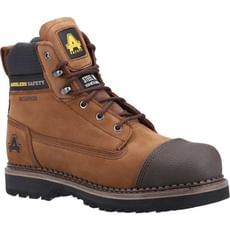
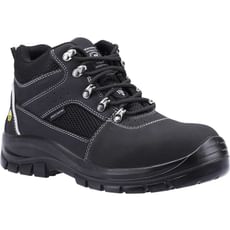
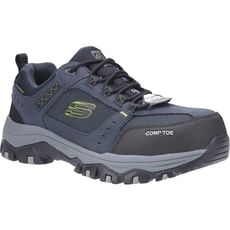
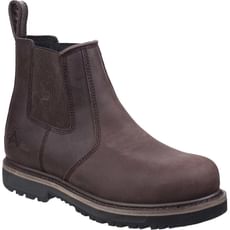
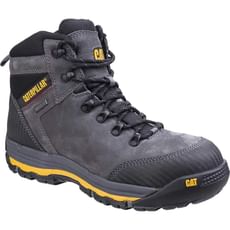
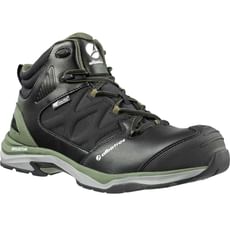
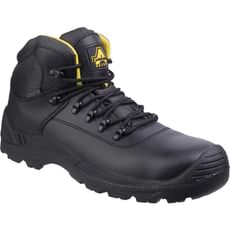
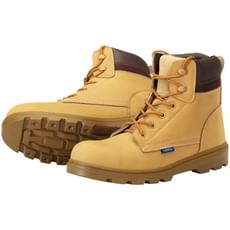
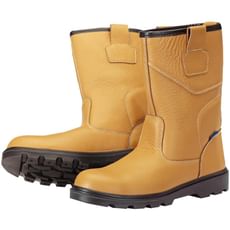
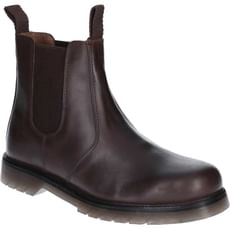
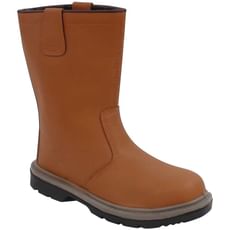
 Loading...
End of content
Error - No more pages to load
About Work Boots
Work boots are essential footwear designed to provide protection, comfort and durability for professionals working in demanding environments. Whether you're navigating a construction site, working in warehousing, or tackling heavy-duty outdoor projects, the right work boots can make a significant difference to both safety and performance throughout the working day. Modern work boots combine traditional robust construction with advanced materials and ergonomic design to deliver footwear that protects without compromising on comfort.
The selection available from Tooled-Up.com encompasses both safety-rated work boots with protective features and non-safety work boots for lighter applications. Safety work boots typically incorporate steel or composite toe caps rated to protect against impact and compression injuries, whilst many models also feature anti-penetration midsoles to guard against nails, sharp debris and other puncture hazards commonly found on construction sites and industrial settings. Beyond basic protection, quality work boots offer features such as slip-resistant outsoles, waterproof membranes, electrical hazard protection, and metatarsal guards for additional forefoot protection.
Today's work boots are available in various styles including traditional lace-up boots, convenient dealer boots with elasticated side panels for easy on-off access, and pull-on designs. Materials range from full-grain leather for maximum durability and water resistance to modern synthetic and textile combinations that offer enhanced breathability and reduced weight. Many contemporary work boots also incorporate comfort technologies such as cushioned footbeds, shock-absorbing midsoles and moisture-wicking linings to support workers who spend long hours on their feet.
Jargon Buster
- Toe Cap Rating: Safety boots are classified by their protective toe cap, with ratings such as 200 joules (standard protection against dropping/rolling objects) being the most common specification in UK workplaces conforming to EN ISO 20345 standards.
- Composite Safety Materials: Non-metallic protective materials including fibreglass, Kevlar, carbon fibre or plastic polymers used as an alternative to steel in toe caps and midsoles. These offer comparable protection whilst being lighter, non-conductive and metal-detector friendly.
- Anti-Penetration Midsole: A protective layer embedded between the insole and outsole, manufactured from steel or composite materials, designed to prevent sharp objects like nails from piercing through the sole and injuring the foot.
- SRC Slip Rating: The highest slip-resistance classification under European standards, indicating the boot has been tested on both ceramic tiles with soap solution and steel surfaces with glycerol, providing excellent grip in slippery conditions.
- Metatarsal Protection: Additional shielding that extends over the upper foot area (metatarsal bones) to protect against falling objects or compression injuries that could occur beyond the toe area.
- Goodyear Welted Construction: A premium boot manufacturing method where the upper is stitched to the sole through a leather strip (welt), creating exceptionally durable, water-resistant and resoleable footwear ideal for long-term professional use.
Who Uses Work Boots?
Work boots are essential for a diverse range of trades and professions:
- Construction Workers: Including bricklayers, labourers, groundworkers and site managers requiring robust protection against multiple hazards
- Electricians and Plumbers: Tradespeople needing electrical hazard protection and slip-resistant soles for varied working environments
- Engineers and Mechanics: Both automotive and industrial engineers working with heavy machinery and components
- Warehouse Operatives and Logistics Workers: Staff handling goods, operating forklifts and working in distribution centres
- Landscapers and Groundskeepers: Outdoor professionals requiring waterproof, durable boots with excellent grip on uneven terrain
- Carpenters and Joiners: Woodworkers exposed to nail puncture risks and dropped materials
- Agricultural Workers and Farmers: Requiring robust, waterproof footwear for outdoor and livestock environments
- Manufacturing and Factory Workers: Professionals in production environments with specific safety requirements
- Security Personnel: Guards and door supervisors requiring comfortable, professional-looking protective footwear for extended wear
- DIY Enthusiasts: Home improvers undertaking substantial renovation or construction projects
How to Choose the Right Work Boots
Safety Rating Requirements: First establish whether your workplace mandates safety-rated footwear conforming to EN ISO 20345 standards. Construction sites and most industrial environments require minimum safety specifications including protective toe caps and often anti-penetration midsoles. Check your employer's PPE policy or risk assessment for specific requirements.
Steel vs Composite Protection: Steel toe caps and midsoles offer proven, cost-effective protection and are the traditional choice for many tradespeople. However, composite alternatives provide comparable safety ratings whilst offering advantages including lighter weight, better thermal insulation (remaining cooler in summer and warmer in winter), non-magnetic properties for metal detector environments, and elimination of spark risks in potentially combustible atmospheres.
Boot Height and Style: Consider whether you need ankle-height boots for flexibility and lighter weight, or taller boots providing additional ankle support and protection from debris. Dealer boots with elasticated side gussets offer convenient slip-on access ideal for workers who frequently remove footwear, whilst traditional lace-up designs provide more adjustable fit and support.
Sole Configuration: Assess the primary surfaces you'll be working on. Deep-lugged outsoles provide superior grip on mud, gravel and uneven outdoor terrain, whilst flatter tread patterns suit warehouse and indoor environments. SRC-rated slip-resistant soles are essential for workers in wet conditions or those handling oils and chemicals. Some boots feature ladder-grip heels for improved purchase on rungs.
Waterproofing and Breathability: Full-grain leather boots offer natural water resistance and durability, whilst modern membrane technologies like Gore-Tex or COA.TEX provide guaranteed waterproof protection with enhanced breathability to reduce perspiration. Consider your working environment - outdoor workers benefit significantly from fully waterproof boots, whilst indoor workers may prioritise breathability.
Comfort Features: For workers spending extended periods on their feet, comfort technologies become crucial. Look for cushioned footbeds (removable designs allow custom orthotics), shock-absorbing midsoles, padded collars and tongues, and moisture-wicking linings. Remember that boots may require a brief breaking-in period, but quality footwear from brands like Amblers should be reasonably comfortable from the outset.
Fit and Sizing: Work boots should fit with sufficient room to accommodate thick safety socks whilst preventing excessive movement that could cause blisters. Allow approximately 10-15mm space beyond your longest toe. Consider trying boots later in the day when feet are naturally slightly swollen, and always test them wearing your usual work socks.
Popular Accessories
- Work Socks: Technical work socks with cushioned soles, moisture-wicking properties and reinforced wear areas extend boot comfort and longevity
- Insoles and Footbeds: Replacement or upgraded insoles provide additional cushioning, arch support and shock absorption for enhanced all-day comfort
- Boot Care Products: Leather conditioners, waterproofing treatments and cleaning products maintain boot condition and extend working life
- Boot Dryers: Particularly valuable for outdoor workers, boot dryers gently remove moisture overnight, preventing bacterial growth and premature material degradation
- Laces: Replacement laces in various lengths and materials, including high-visibility options for enhanced safety
- Gaiters and Spats: Protective coverings that prevent debris, sparks or liquids entering boot tops
- Knee Pads: Complementary PPE for tradespeople regularly kneeling during work activities
- Hi-Vis Clothing: Essential accompanying safety wear for construction and roadside workers
Safety Information
Work boots form a critical component of personal protective equipment (PPE) and must be selected, maintained and used appropriately to provide effective protection. Under UK Health and Safety at Work regulations, employers are required to provide suitable PPE including safety footwear where workplace risk assessments identify foot injury hazards. The Health and Safety Executive (HSE) guidance indicates that safety boots should be provided free of charge when required for work activities.
EN ISO 20345 Standards: Safety boots sold in the UK must conform to European standard EN ISO 20345, which classifies footwear into several categories. The most common is SB (Safety Basic - featuring protective toe cap only), S1 (including closed heel, antistatic properties and energy absorption), S2 (adding water resistance) and S3 (incorporating anti-penetration midsole and cleated outsole). Additional classifications include HRO (heat-resistant outsole), CI (cold insulation) and HI (heat insulation).
Inspection and Replacement: Regularly inspect work boots for signs of damage including worn soles, separated stitching, cracked leather or exposed toe caps. Damaged safety boots cannot provide adequate protection and should be replaced immediately. Even well-maintained boots deteriorate over time - expect to replace safety footwear every 6-12 months depending on usage intensity and working conditions.
Electrical Hazard Protection: Some work boots provide electrical hazard (EH) protection, featuring insulating soles to protect against accidental contact with live electrical circuits up to certain voltages. However, this protection is compromised when soles become excessively worn or wet. Electricians should never rely solely on footwear for electrical protection and must always follow proper isolation and testing procedures when working with 240v systems.
Proper Use: Safety boots only provide protection when worn correctly - ensure laces are properly fastened or dealer boot elastics are in good condition. Boots should be worn with appropriate safety socks and be correctly sized to prevent foot movement that could reduce protective effectiveness. Never modify safety boots by cutting, drilling or removing components, as this invalidates safety certifications.
Frequently Asked Questions
What's the difference between work boots and safety boots?
Work boots is a broad term encompassing all boots designed for workplace use, whilst safety boots specifically refer to footwear incorporating protective features that meet recognised safety standards (EN ISO 20345 in the UK). Safety boots include toe caps rated to withstand specific impact forces and may feature anti-penetration midsoles, whilst non-safety work boots provide durability and comfort without certified protective elements. Most construction sites and industrial environments mandate safety-rated footwear, whilst non-safety work boots suit lower-risk environments where protective certification isn't required.
How long should work boots last?
Work boot longevity depends on usage intensity, working conditions and maintenance practices. In demanding construction or industrial environments with daily wear, expect quality safety boots to last approximately 6-12 months. Workers in less demanding environments or those wearing boots occasionally may achieve 18-24 months or longer. Premium Goodyear welted boots can be resoled multiple times, potentially extending lifespan to several years. However, replace boots immediately if protective elements become compromised regardless of age - worn soles, damaged toe caps or separated construction all invalidate safety certification.
Are composite toe cap boots as safe as steel toe caps?
Yes, when manufactured to the same EN ISO 20345 rating, composite toe cap boots provide equivalent protection to steel alternatives. Both must withstand identical testing including 200 joule impacts and 15kN compression forces for standard safety ratings. Composite materials offer several advantages including lighter weight (typically 30-40% less than steel equivalents), better thermal properties, no metal detector activation and elimination of spark risks. However, composite boots are generally more expensive than steel toe cap alternatives, though many professionals consider the comfort and safety benefits worthwhile for daily wear.
Can I wear steel toe cap boots through airport security?
Steel toe cap boots will trigger metal detectors at airport security checkpoints, requiring removal for X-ray screening - inconvenient when travelling to work sites. If you regularly travel by air for work, composite toe cap safety boots eliminate this issue as they won't activate metal detectors (provided other components like eyelets and shanks are also non-metallic). Check product specifications at Tooled-Up to identify fully metal-free composite safety boots suitable for frequent air travel whilst maintaining required safety certifications.
Do I need waterproof work boots?
Waterproof work boots are essential for outdoor workers, groundworkers, landscapers and anyone regularly exposed to wet conditions. Modern membrane technologies provide guaranteed waterproof protection whilst remaining breathable to prevent excessive perspiration. For predominantly indoor workers in dry environments, water-resistant leather may suffice and often costs less than fully waterproof alternatives. Consider that waterproof boots also provide protection against concrete, cement and other wet building materials that can damage non-waterproof footwear and cause skin problems. If uncertain, waterproof boots offer versatility for varied working conditions.