

Work Lights

Pay in 3 interest-free payments on purchases from £20-£3000 with  . Learn more.
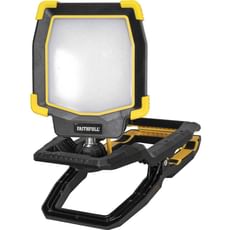
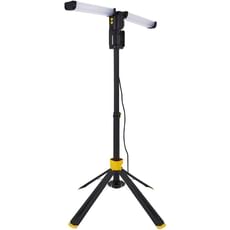
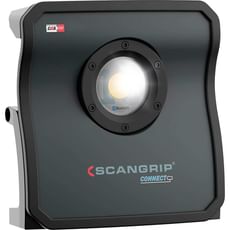
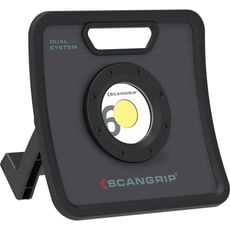
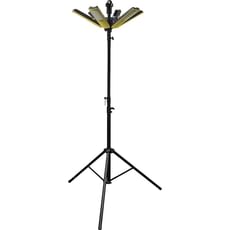
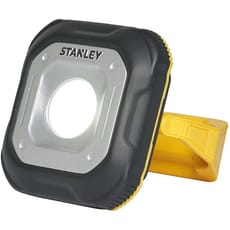
 Loading...
End of content
Error - No more pages to load
About Work Lights
Work lights are essential equipment for tradespeople, contractors and DIY enthusiasts who need reliable illumination in poorly lit environments. From construction sites and workshops to vehicle maintenance and emergency repairs, these purpose-built lighting solutions provide bright, dependable light wherever mains power may be unavailable or impractical. Modern work lights have evolved significantly from traditional halogen models, with LED technology now dominating the market thanks to its superior energy efficiency, durability and light output.
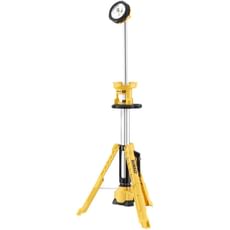
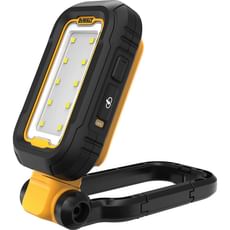
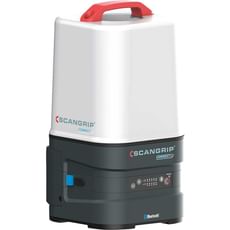
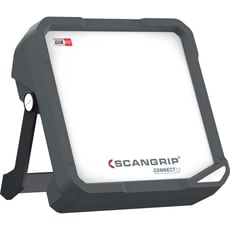
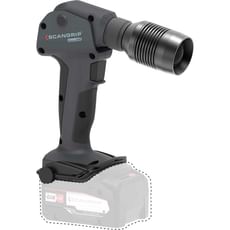
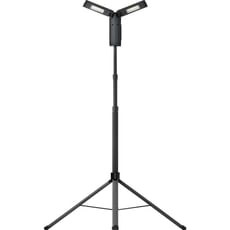
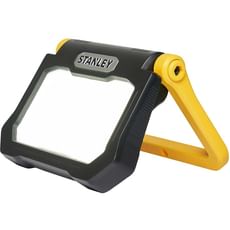
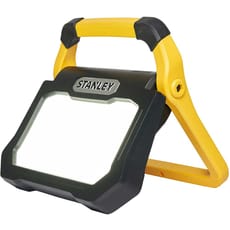
The range at Tooled-Up includes portable handheld torches, magnetic work lamps, rechargeable flood lights, and professional tripod-mounted site lights. Power options vary widely to suit different working conditions: battery-powered cordless models offer maximum portability, 240v mains-powered units deliver consistent high-output illumination for extended periods, and 12v vehicle socket options are ideal for roadside repairs and mobile work. Many contemporary work lights incorporate COB (Chip-on-Board) LED technology, which produces an exceptionally bright, even light distribution whilst maintaining compact dimensions and low power consumption.
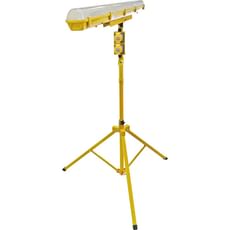
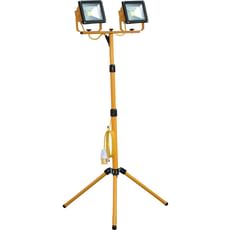
Professional-grade work lights feature robust construction designed to withstand the rigours of site work, with impact-resistant housings, reinforced lenses and often carrying IP (Ingress Protection) ratings that protect against dust and water ingress. Tripod-mounted systems provide elevated lighting that reduces shadows and glare across larger work areas, whilst compact magnetic models can be positioned hands-free on metal surfaces. Rechargeable work lights with USB charging capabilities and integrated power banks have become increasingly popular, offering the convenience of mobile device charging alongside illumination.
Jargon Buster
- Lumens (lm): The measurement of total light output from a source. Higher lumen ratings indicate brighter lights – typical work lights range from 200lm for compact inspection lamps to 4,000lm+ for professional site flood lights.
- COB LED (Chip-on-Board): A type of LED technology where multiple LED chips are packaged together as a single lighting module, producing uniform, high-intensity illumination with excellent heat dissipation and a longer operational lifespan.
- IP Rating (Ingress Protection): A two-digit code indicating protection against solid objects and liquids. For example, IP65 means complete dust protection and protection against water jets – essential for outdoor site work in British weather conditions.
- Colour Temperature (Kelvin): Describes the colour appearance of light, measured in Kelvin (K). Work lights typically range from 4,000K (neutral white) to 6,500K (daylight white), with cooler temperatures providing better visibility for detailed tasks.
- Runtime: The duration a battery-powered work light will operate on a single charge or set of batteries. This varies significantly depending on brightness settings, battery capacity (measured in Ah), and LED efficiency.
- CRI (Colour Rendering Index): Measures how accurately a light source reveals the true colours of objects compared to natural daylight. A CRI above 80 is considered good for work lights, helping with tasks requiring colour accuracy.
Who Uses Work Lights?
- Electricians: Require hands-free lighting for working in consumer units, loft spaces and beneath floorboards where natural light is limited
- Builders and Construction Workers: Need robust, high-output site lights for early starts, winter months and working in unfinished buildings without permanent lighting
- Plumbers and Heating Engineers: Use compact, portable work lights for inspecting pipework in tight spaces, under sinks and in airing cupboards
- Vehicle Mechanics and Auto Technicians: Rely on magnetic work lights that attach to vehicle bodywork, leaving both hands free for repairs and diagnostics
- Carpenters and Joiners: Benefit from tripod-mounted lights that illuminate entire work areas for accurate measuring, cutting and fitting
- Decorators and Painters: Use bright, even lighting to identify surface imperfections and ensure consistent paint application
- Security and Maintenance Personnel: Need reliable rechargeable torches and inspection lights for routine checks and emergency call-outs
- DIY Enthusiasts and Home Improvers: Value versatile, affordable work lights for occasional projects, loft access and garage workshops
- Event Riggers and Stage Technicians: Require portable, high-output lighting for setup and breakdown in venues with limited ambient light
How to Choose the Right Work Lights
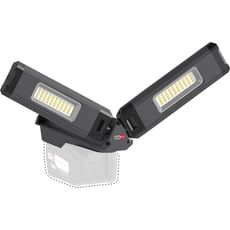
Power Source and Portability: Consider whether you'll have access to 240v mains power or need battery-operated cordless freedom. Cordless models from DeWalt, Makita and Milwaukee often use the same battery platforms as your existing power tools, eliminating the need for separate batteries and chargers. For static workshop use or extended site work with power available, mains-powered lights provide unlimited runtime and consistent brightness. Models with 12v vehicle socket connections suit mobile mechanics and roadside assistance work.
Light Output and Coverage: Match the lumen output to your application – inspection lamps for close work may only need 200-500lm, whilst illuminating a construction site requires 2,000lm or more. Consider whether you need focused beam patterns for precision tasks or wide flood patterns for general area lighting. Tripod-mounted systems elevate the light source to minimise shadows and provide more even coverage across larger spaces.
Durability and Protection Rating: Site work demands robust construction that can survive drops, impacts and exposure to dust and moisture. Look for lights with protective rubberised housings, reinforced lenses and appropriate IP ratings – IP54 offers basic splash protection, whilst IP65 provides comprehensive dust-sealing and water jet protection suitable for outdoor use in all weathers. Tooled-Up stocks professional-grade work lights from brands like Defender and Draper that are purpose-built for demanding trade environments.
Mounting and Positioning Options: Consider how you'll position the light for hands-free operation. Magnetic bases attach securely to steel structures and vehicle bodywork, integrated hooks allow hanging from overhead points, adjustable stands provide floor-standing flexibility, and tripod systems offer maximum height adjustment. Some compact models include rotating heads or ball joints for precise beam direction.
Runtime and Battery Capacity: For cordless models, check the stated runtime at different brightness settings. Higher capacity batteries (measured in Ah – ampere hours) provide longer operation but add weight and bulk. Many modern work lights feature multiple brightness modes, allowing you to balance light output against battery life. USB rechargeable models with integrated lithium-ion batteries offer convenient charging from vehicle USB ports or power banks.
Additional Features: Useful extras include dimming functions for adjusting brightness to task requirements, emergency flash modes for roadside safety, integrated power banks for charging mobile devices, wireless operation without trailing cables, and memory functions that recall your preferred brightness setting. Some premium models incorporate battery level indicators to prevent unexpected shutdown during critical work.
Popular Accessories
- Replacement Batteries and Chargers: Spare battery packs ensure uninterrupted work, particularly useful for cordless platform systems from DeWalt, Makita and Milwaukee
- Extension Leads and Cable Reels: Essential for positioning 240v mains-powered work lights at distance from fixed power outlets on larger sites
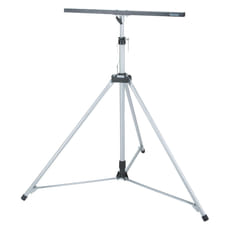
- Light Stands and Tripods: Adjustable height tripods compatible with various work light models, providing stable elevated positioning for area lighting
- Protective Carry Cases: Purpose-designed storage solutions that protect work lights during transport and prevent damage to lenses and housings
- Lens Guards and Cages: Additional impact protection for lights used in high-risk environments where falling debris or accidental strikes are likely
- 12v to USB Adapters: Convert vehicle cigarette lighter sockets to USB charging points for rechargeable work lights whilst mobile
- Replacement Bulbs and LED Modules: Though modern LEDs rarely fail, having spares ensures continued operation for mission-critical applications
- Magnetic Mounting Accessories: Additional magnetic bases and mounting brackets for positioning non-magnetic work lights on steel surfaces
Safety Information
Electrical Safety: Always inspect 240v mains-powered work lights for damaged cables, cracked plugs and compromised housings before use. On construction sites, use lights equipped with 13A plugs only with RCD (Residual Current Device) protection, which trips the power supply in the event of electrical faults. Never use mains-powered lights in wet conditions unless they carry an appropriate IP rating (minimum IP65 for outdoor use). Ensure cordless work lights are charged using the manufacturer's specified charger to prevent battery damage or fire risk.
Heat Considerations: Whilst LED work lights generate significantly less heat than older halogen models, high-output units can still become warm during extended operation. Allow adequate ventilation around the light housing and never cover operating lights with fabric or place them on heat-sensitive surfaces. When using tripod-mounted lights, ensure cables are routed safely to prevent trip hazards – a major cause of site accidents according to HSE statistics.
Safe Positioning: Secure work lights properly to prevent them falling from height onto workers below. Check tripod leg locks are fully engaged and position the tripod on level ground with legs fully extended for stability. When using magnetic work lights on vehicles, ensure they're firmly attached before beginning work and won't be dislodged by vibration. Never look directly into high-output LED work lights at close range, as the intense brightness can cause temporary vision impairment.
Battery Safety: Lithium-ion batteries in rechargeable work lights require proper care – avoid exposing them to extreme temperatures, never leave them charging unattended overnight, and discontinue use if the battery shows signs of swelling, damage or abnormal heating. Store spare batteries in a cool, dry location away from metal objects that could cause short circuits. Dispose of failed batteries responsibly through proper recycling channels rather than general waste.
Frequently Asked Questions
What's the difference between lumens and watts for work lights?
Watts measure electrical power consumption, whilst lumens measure actual light output – the brightness you perceive. With older halogen work lights, higher wattage typically meant brighter light, but modern LED technology is far more efficient. A 20W LED work light can produce the same brightness (around 1,800 lumens) as a traditional 150W halogen, whilst consuming far less electricity and generating minimal heat. When comparing work lights, always check the lumen rating rather than wattage to determine brightness.
How long do LED work lights last compared to halogen models?
LED work lights typically offer 25,000 to 50,000 hours of operational life – that's approximately 15-30 years of typical trade use. In contrast, halogen bulbs usually last just 1,000-2,000 hours before requiring replacement. LEDs also maintain consistent brightness throughout their lifespan, whereas halogens gradually dim. The initial purchase price of LED work lights is higher, but the combination of exceptional longevity, energy efficiency and reduced replacement costs delivers significant savings over time.
Can I use cordless work lights with batteries from my existing power tools?
Many professional cordless work lights from manufacturers like DeWalt, Makita, Milwaukee and Bosch Professional are designed to accept the same battery packs as their power tool ranges. This "platform" approach means if you already own 18v DeWalt tools, for example, a DeWalt cordless work light will use your existing batteries and charger, eliminating duplicate investment. Always check battery compatibility before purchasing – whilst most brands use standardised connections within their own ranges, batteries are not interchangeable between different manufacturers.
What IP rating do I need for outdoor construction site use?
For outdoor site work in typical British weather conditions, an IP65 rating provides comprehensive protection. The "6" indicates complete dust-sealing (essential for construction environments), whilst the "5" denotes protection against water jets from any direction – meaning the light can handle heavy rain and pressure washing. IP54 offers adequate protection for covered outdoor areas or occasional light rain, but isn't suitable for prolonged exposure to harsh weather. For indoor workshop use, IP20 is usually sufficient.
Are rechargeable work lights more cost-effective than mains-powered models?
It depends on your usage patterns. Rechargeable work lights offer unmatched portability and eliminate the safety risks and inconvenience of trailing cables, making them ideal for varied locations and situations without power access. However, they require periodic recharging and batteries eventually degrade after several years. Mains-powered 240v work lights provide unlimited runtime and consistent maximum brightness, making them more economical for extended use in static locations with available power. Many professionals invest in both types – rechargeable models for portable applications and mains-powered units for workshop or long-duration site work.