

Work Shoes
Pay in 3 interest-free payments on purchases from £30-2000 with  . Learn more.
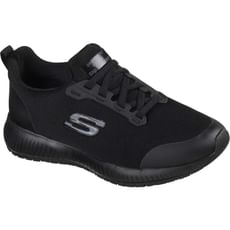
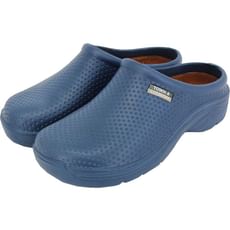
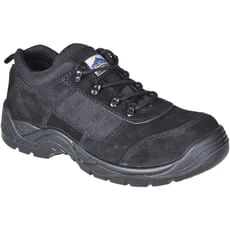
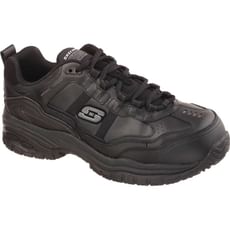
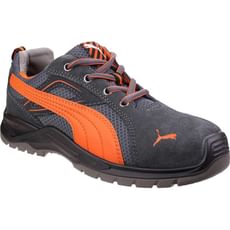
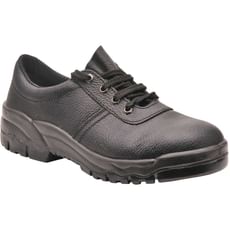
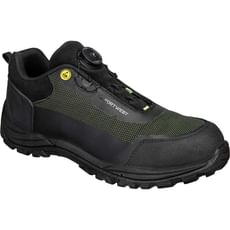
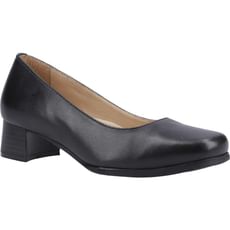
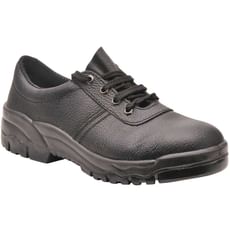
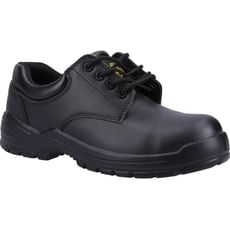
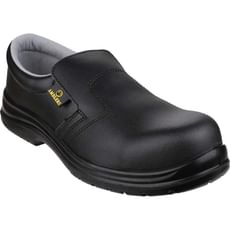
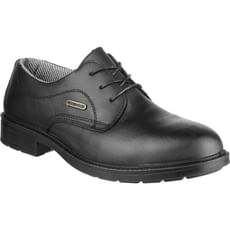
 Loading...
End of content
Error - No more pages to load
About Work Shoes
Work shoes provide essential foot protection and comfort for professionals who spend long hours on their feet in demanding work environments. Unlike casual footwear, work shoes are engineered with specific safety features, durable construction, and ergonomic designs to meet the rigorous demands of various trades and industries. From steel or composite toe caps that protect against impact and compression injuries, to slip-resistant outsoles that provide stability on wet or oily surfaces, these specialised shoes are designed to keep workers safe whilst delivering all-day comfort.
The work shoe category at Tooled-Up.com encompasses a diverse range of styles to suit different workplace requirements and personal preferences. Whether you need lightweight safety trainers for warehouse work, smart safety brogues for client-facing roles, or rugged lace-up shoes for construction sites, the selection includes options from trusted brands like Portwest, Amblers, Puma, and Skechers. Many modern work shoes incorporate advanced features such as metal-free construction for airport security compliance, waterproof membranes for outdoor work, and ESD (Electrostatic Dissipative) properties for electronics manufacturing environments.
Work shoes differ from work boots primarily in their ankle height, offering a lighter, more flexible alternative whilst still maintaining essential safety certifications. They're particularly popular during warmer months or in indoor environments where full boot protection isn't necessary. With features like breathable linings, cushioned insoles, and shock-absorbing midsoles, today's work shoes successfully balance safety compliance with the comfort standards workers expect from modern footwear.
Jargon Buster
- Safety Toecap: A protective reinforcement built into the front of the shoe, available in steel, aluminium, or composite materials. Rated to withstand impacts of 200 joules and compression loads of 15kN, protecting toes from falling objects and crushing hazards.
- Midsole Protection: A penetration-resistant layer embedded between the insole and outsole, preventing sharp objects like nails or metal shards from piercing through the sole. Available in steel or flexible FAP (Fibreglass Anti-Penetration) materials that don't compromise flexibility.
- SRC Slip Rating: The highest slip-resistance classification under EN ISO 20345 standards, indicating the shoe has passed both SRA (ceramic tile with detergent solution) and SRB (steel surface with glycerol) slip tests, providing maximum grip in hazardous conditions.
- S1P/S3 Ratings: European safety footwear classifications where S1P includes closed heel, antistatic properties, energy absorption, and penetration resistance, whilst S3 adds water resistance and cleated outsole requirements for enhanced protection in wet or outdoor environments.
- Composite Construction: Work shoes manufactured without any metal components, using materials like fibreglass, Kevlar, or carbon fibre for toe caps and midsoles. Ideal for workers passing through metal detectors or working near electrical hazards.
- ESD Footwear: Electrostatic Dissipative shoes designed to safely discharge static electricity, protecting sensitive electronic components from damage. Essential in electronics manufacturing, clean rooms, and environments handling flammable materials.
Who Uses Work Shoes?
Work shoes are essential footwear across numerous trades and industries:
- Warehouse and Logistics Workers: Order pickers, forklift operators, and distribution centre staff requiring lightweight protection during extended shifts
- Manufacturing Operatives: Factory workers, production line staff, and quality control personnel in automotive, engineering, and general manufacturing facilities
- Construction Tradespeople: Electricians, plumbers, carpenters, and general builders working on site who prefer the flexibility of shoes over boots
- Retail and Hospitality Staff: Shop floor workers, kitchen staff, and catering personnel needing slip-resistant footwear that meets safety regulations
- Facilities Management: Maintenance technicians, building services engineers, and caretakers attending to various property maintenance tasks
- Delivery Drivers: Couriers, van drivers, and delivery personnel making multiple stops requiring comfortable, protective footwear
- Electronics Workers: Technicians and assembly staff in clean room environments requiring ESD protection
- Light Industrial Workers: Office-based trades requiring occasional PPE or those working in mixed indoor/outdoor environments
How to Choose the Right Work Shoes
Selecting appropriate work shoes requires careful consideration of multiple factors:
Safety Rating Requirements: Identify the minimum safety standard required for your workplace. S1 provides basic protection with closed heel and antistatic properties, S1P adds midsole penetration resistance, whilst S3 offers comprehensive protection including water resistance. Always verify your employer's PPE policy and risk assessment requirements before purchasing.
Toecap Material: Steel toecaps offer robust, cost-effective protection but add weight and conduct temperature. Composite toecaps provide equivalent protection with lighter weight, thermal insulation, and metal-free construction for security checkpoints. Consider your specific working conditions when choosing between these options.
Sole Design and Slip Resistance: Examine the outsole tread pattern and slip rating. SRC-rated soles provide maximum slip resistance on various surfaces. For outdoor work, deeper cleats shed mud and provide better grip, whilst flatter profiles suit smooth indoor floors. Oil and chemical-resistant rubber compounds offer additional protection in specific environments.
Comfort Features: Look for cushioned insoles, shock-absorbing midsoles, and breathable linings if you're on your feet for extended periods. Removable insoles allow use of custom orthotics. Consider shoes with wider toe boxes if you have broader feet or require extra room for circulation during long shifts.
Fit and Sizing: Work shoes should fit snugly at the heel with approximately 10-15mm space beyond your longest toe. Try shoes on with the socks you'll wear at work. Remember that feet can swell during the day, so fitting later in the afternoon provides a more accurate size assessment.
Environmental Considerations: Waterproof membranes suit outdoor workers or wet environments, whilst breathable mesh uppers benefit warehouse workers in climate-controlled spaces. ESD properties are essential for electronics work, and metal-free construction suits airport staff or those working near electrical installations.
Style and Professional Appearance: Browse Tooled-Up for options ranging from trainer-style safety shoes for casual environments to smart brogue designs for client-facing roles. Many modern work shoes successfully combine protection with contemporary styling that wouldn't look out of place in office settings.
Popular Accessories
- Replacement Insoles: Gel cushion insoles, memory foam footbeds, and orthotic supports for enhanced comfort during long working days
- Work Socks: Moisture-wicking technical socks, thermal winter socks, and cushioned work socks designed specifically for safety footwear
- Shoe Care Products: Leather conditioners, waterproofing sprays, and protective creams to extend the lifespan of work shoes
- Boot and Shoe Dryers: Electric dryers and dehumidifying devices for drying wet work shoes overnight
- Laces and Fasteners: Replacement laces, elastic quick-tie systems, and heavy-duty laces for demanding work environments
- Shoe Bags: Breathable storage bags for keeping work shoes separate from clean clothing in lockers or vehicles
- Toe Cap Protectors: Adhesive protective strips that prevent scuffing and extend the life of leather uppers
Safety Information
Work shoes are classified as Personal Protective Equipment (PPE) and must comply with EN ISO 20345 standards in the UK. Employers have a legal obligation under the Health and Safety at Work Act 1974 and the Personal Protective Equipment at Work Regulations 1992 to provide appropriate safety footwear where risk assessments identify foot injury hazards. Workers are equally responsible for wearing provided PPE correctly and reporting any damage or defects.
Inspect work shoes regularly for signs of wear, particularly sole separation, damaged toecaps, or compromised uppers. Replace shoes immediately if protection features are damaged, as compromised safety footwear may fail to provide adequate protection during an incident. Most manufacturers recommend replacement every 6-12 months depending on usage intensity, even if visible wear isn't apparent, as cushioning and protective elements degrade over time.
Never modify safety shoes by cutting, drilling, or removing components, as this invalidates certification and compromises protection. Ensure laces are tied securely to prevent trip hazards, and allow wet shoes to dry naturally away from direct heat sources, which can damage adhesives and materials. Store work shoes in cool, dry conditions away from chemicals, solvents, and extreme temperatures that may degrade materials.
If working in environments with specific hazards such as electrical risks, molten metal, or extreme temperatures, verify that your work shoes carry the appropriate additional certifications beyond basic safety ratings. Consult HSE guidance for industry-specific footwear requirements, particularly in construction, chemical handling, and electrical work where specialised protection may be mandatory.
Frequently Asked Questions
What's the difference between work shoes and safety trainers?
The terms are often used interchangeably, though "safety trainers" typically describes trainer-style designs with sporty aesthetics, whilst "work shoes" encompasses the broader category including formal styles like brogues and more traditional work footwear. Both provide equivalent safety protection when carrying the same EN ISO ratings – the difference is primarily stylistic rather than functional.
How long do work shoes typically last?
Lifespan varies considerably based on usage intensity, working conditions, and maintenance. Light industrial use might see 12-18 months of service, whilst demanding construction or outdoor environments may require replacement every 6-9 months. Regularly inspect for sole wear, upper damage, and loss of cushioning. Replace immediately if protective features are compromised, regardless of cosmetic appearance.
Can I wear work shoes for general outdoor activities or DIY?
Absolutely. Work shoes provide excellent protection for DIY enthusiasts tackling home improvement projects, gardening with power tools, or any activities involving potential foot hazards. The same protective features that safeguard professionals equally benefit homeowners using power tools, handling heavy materials, or working in potentially hazardous conditions around the property.
Are composite toe caps as strong as steel?
Yes, composite toecaps meet identical EN ISO 20345 impact and compression standards as steel (200 joules impact, 15kN compression). The difference lies in material properties rather than protection level: composites are lighter, don't conduct heat or cold, and contain no metal for security scanning. Steel toecaps are slimmer and traditionally more affordable. Both provide equivalent certified protection.
Do work shoes require a breaking-in period?
Modern work shoes typically require minimal breaking-in compared to traditional work boots, though some initial stiffness is normal, particularly with leather uppers. Wear new shoes for progressively longer periods over the first few days rather than full shifts immediately. If discomfort persists beyond one week or causes blisters, the fit may be incorrect. Well-fitted work shoes should feel comfortable from the first wear with only minor adaptation needed.