

Work Trainers

Pay in 3 interest-free payments on purchases from £20-£3000 with  . Learn more.
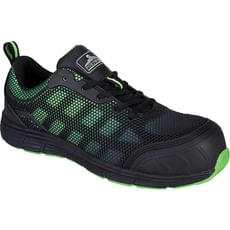
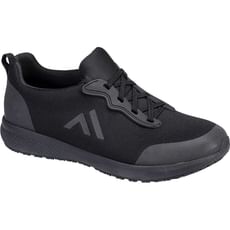
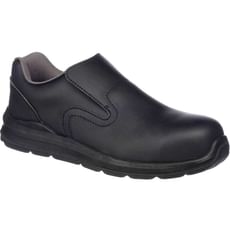
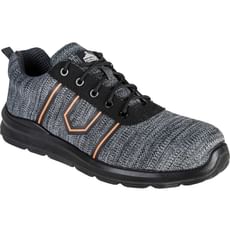
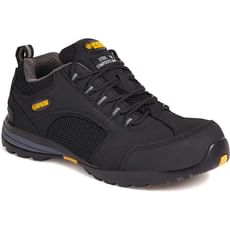
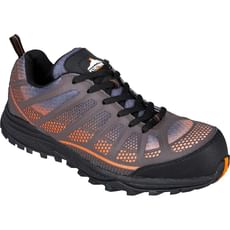
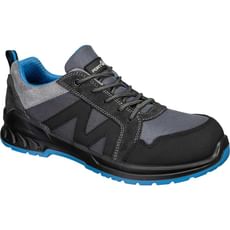
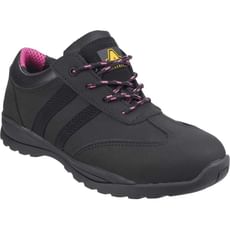
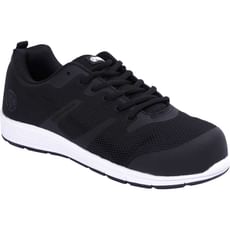
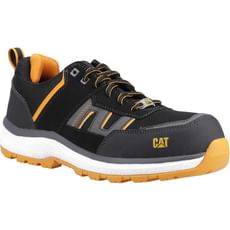
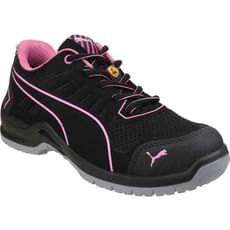
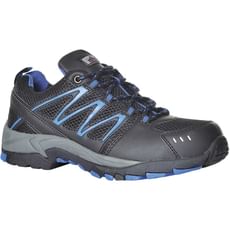
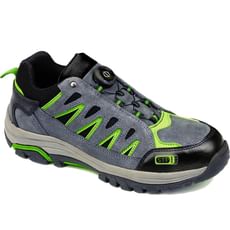
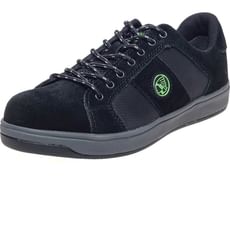
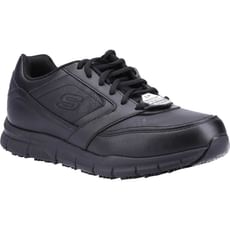
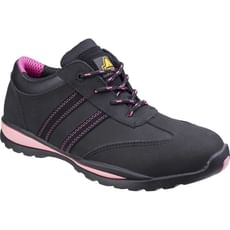
 Loading...
End of content
Error - No more pages to load
About Work Trainers
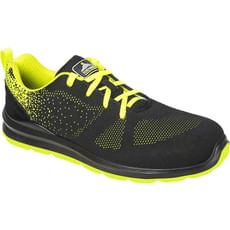
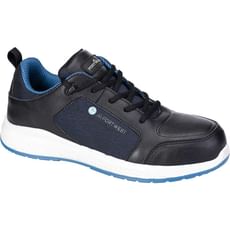
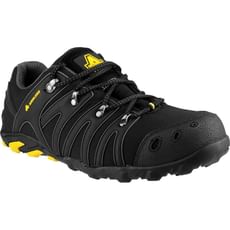
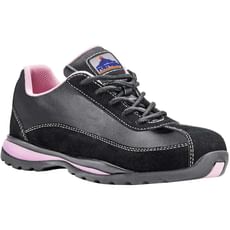
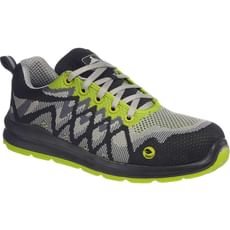
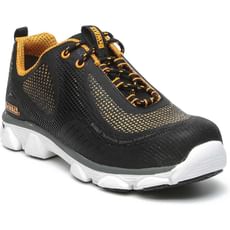
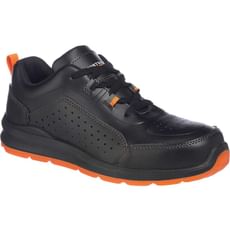
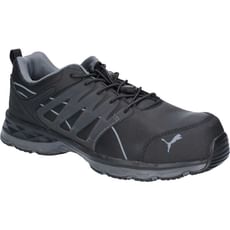
Work trainers combine the comfort and flexibility of athletic footwear with essential safety features required on construction sites, warehouses, and industrial environments. Unlike traditional steel-toe work boots, modern work trainers offer a lightweight, breathable alternative that doesn't compromise on protection. These safety trainers typically feature composite or steel toe caps, slip-resistant outsoles, and puncture-resistant midsoles, making them suitable for environments where HSE regulations require protective footwear.
The selection available from Tooled-Up.com includes models from leading safety footwear manufacturers such as Portwest, Amblers, Apache, DeWalt, and Skechers. Work trainers are engineered with technologies borrowed from sports footwear design, including EVA midsoles for cushioning, memory foam insoles, and moisture-wicking linings. Many contemporary designs are virtually indistinguishable from regular trainers, yet meet stringent European safety standards including EN ISO 20345 ratings from SB through to S3 specifications.
Modern work trainers cater to diverse workplace requirements, with specialist features such as heat-resistant outsoles, waterproof membranes, anti-static properties, and metal-free construction for aviation and security personnel. The shift towards lighter, more comfortable safety footwear reflects changing workplace dynamics, where tradespeople and warehouse operatives may walk several kilometres during a typical shift, making all-day comfort as important as protection.
Jargon Buster
- S1/S1P/S2/S3 Ratings: European safety classifications indicating protection levels. S1 offers basic protection with antistatic properties and energy absorption. S1P adds a puncture-resistant midsole. S2 includes water resistance, whilst S3 combines all features plus a cleated, slip-resistant outsole for outdoor use.
- Composite Toe Cap: A non-metallic protective toe cap made from materials such as fibreglass, carbon fibre, or Kevlar. Lighter than steel alternatives and doesn't conduct heat or cold, making them more comfortable in extreme temperatures. Also metal-detector friendly.
- EVA Midsole: Ethylene-Vinyl Acetate - a lightweight, flexible foam material used in the midsole to provide cushioning and shock absorption. Reduces fatigue during extended periods of standing or walking on hard surfaces.
- Penetration Resistance: Protection against sharp objects piercing through the sole. Achieved through a steel plate or flexible composite material embedded in the midsole, essential for construction sites with nails, screws, or metal debris.
- SRC Slip Rating: The highest slip-resistance rating, indicating the footwear has been tested on both ceramic tiles with detergent (SRA) and steel surfaces with glycerol (SRB). Critical for kitchens, workshops, and wet environments.
- Antistatic Properties: Prevents the build-up of static electricity which could cause sparks in environments with flammable materials or damage sensitive electronic components during assembly work.
Who Uses Work Trainers?
Work trainers are essential footwear for a diverse range of trades and industries:
- Construction Workers: Carpenters, bricklayers, plasterers, and general labourers requiring all-day comfort with toe and sole protection
- Warehouse Operatives: Order pickers, forklift drivers, and logistics personnel covering significant distances on concrete floors
- Electricians and Plumbers: Tradespeople needing lightweight, flexible footwear that allows for crouching and climbing whilst maintaining safety standards
- Engineers and Mechanics: Motor vehicle technicians and industrial engineers requiring oil-resistant, slip-resistant footwear
- Delivery Drivers: Courier and parcel delivery personnel combining driving comfort with loading bay protection
- Retail and Hospitality: Shop floor staff and kitchen workers needing slip-resistant footwear that looks presentable
- Facilities Management: Maintenance staff, caretakers, and groundskeepers requiring versatile all-round protection
- Manufacturing Operatives: Assembly line workers and machine operators in light to medium industrial settings
How to Choose the Right Work Trainers
Safety Rating Requirements: Identify the minimum safety standard required for your workplace. Construction sites typically demand S3 rating with puncture resistance and water resistance, whilst warehouse environments may only require S1P. Always verify HSE compliance requirements with your employer or site supervisor before purchasing.
Toe Cap Material: Steel toe caps offer maximum protection and are generally less expensive, but composite alternatives provide similar safety levels whilst being 30-40% lighter and more comfortable in temperature extremes. Composite caps are essential for aviation, security, and electrical work where metal detection equipment is present.
Sole Construction: Consider your working surface. Rubber outsoles with deep tread patterns suit outdoor construction and uneven terrain, whilst PU (polyurethane) soles offer superior slip resistance on smooth warehouse floors. Oil-resistant and heat-resistant outsoles are crucial for automotive workshops and industrial kitchens respectively.
Waterproofing and Breathability: Tooled-Up stocks models with waterproof membranes ideal for outdoor trades, though these may sacrifice breathability. For climate-controlled warehouses or summer work, prioritise mesh uppers and moisture-wicking linings to prevent excessive perspiration and discomfort.
Weight and Flexibility: If your work involves extensive walking, climbing, or crouching, prioritise lightweight designs (typically 400-600g per trainer) with flexible midsoles. Heavier-duty protection naturally adds weight, so balance protection requirements against mobility needs.
Fit and Sizing: Safety trainers should fit snugly with approximately 10-15mm clearance beyond your longest toe. Consider whether you'll wear thick work socks, as this affects sizing. Many models from brands like Skechers and Puma offer memory foam insoles that mould to individual foot shapes, improving comfort during the breaking-in period.
Popular Accessories
- Replacement Insoles: Gel or memory foam insoles enhance comfort and provide additional arch support for those with plantar fasciitis or who spend extended periods standing
- Work Socks: Technical work socks with reinforced heels and toes, moisture-wicking properties, and cushioned soles extend trainer lifespan and improve comfort
- Waterproofing Spray: Protective treatments for fabric and suede work trainers to enhance water resistance and extend material durability
- Trainer Storage Bags: Ventilated bags for transporting work footwear separately from tools and clean clothing
- Odour Control Products: Antibacterial shoe fresheners and cedar inserts to manage moisture and odours in frequently worn safety footwear
- Lace Locks: Quick-release lacing systems that eliminate the need for tying, preventing trailing laces becoming trip hazards
- Ankle Supports: Compression sleeves or braces for additional ankle stability when working on uneven surfaces
Safety Information
Always verify that work trainers display the correct EN ISO 20345 certification marking and meet your employer's specific PPE requirements. The HSE mandates appropriate safety footwear in environments where foot injuries from falling objects, punctures, or slips present significant risks. Work trainers should be inspected regularly for sole separation, worn tread, or damaged toe caps - any compromise in structural integrity renders the safety rating void.
Replace work trainers when tread depth becomes insufficient (typically less than 2mm), when cushioning compresses significantly, or after approximately 12-18 months of daily use, even if visible damage isn't apparent. The protective materials degrade over time, particularly puncture-resistant midsoles which can develop micro-fractures invisible to the naked eye.
Ensure proper fit to prevent trips and falls - loose footwear is a leading cause of workplace accidents. Work trainers should be worn with appropriate socks and never modified by cutting, as this compromises their safety certification. Store in dry, well-ventilated areas away from direct heat sources which can degrade adhesives and synthetic materials.
Frequently Asked Questions
Are work trainers as safe as traditional work boots?
Yes, when appropriately rated. Modern work trainers meeting S1P or S3 standards provide equivalent toe protection and puncture resistance to traditional boots. However, work boots offer superior ankle support and are generally more suitable for rough terrain or environments with significant debris. Choose based on your specific workplace hazards - trainers excel in warehouses and light construction, whilst boots suit heavy construction and outdoor sites.
Can I wear work trainers for driving?
Work trainers are generally suitable for driving, offering better pedal feel than heavy work boots. Many delivery drivers and mobile tradespeople prefer them for this reason. Ensure the sole isn't excessively thick (over 25mm) which can reduce pedal sensitivity, and check that mud or debris hasn't accumulated on the tread before driving.
How long should work trainers last?
With daily use, quality work trainers typically last 6-12 months before the cushioning compresses significantly and tread wears down. Heavy-duty users in demanding environments may need replacement every 4-6 months, whilst occasional users might achieve 18-24 months. Rotate between two pairs to extend lifespan by allowing moisture to evaporate fully between wears.
What's the difference between metal-free and steel toe cap trainers?
Both meet the same impact resistance standards (200 joules), but composite (metal-free) toe caps are lighter, don't conduct temperature extremes, and won't trigger metal detectors. They're typically 100-200g lighter per trainer and more comfortable in very cold or hot conditions. Steel caps are often less expensive and slightly more durable against repeated impacts, making them popular in heavy industry.
Do I need S3 rated trainers or will S1P suffice?
S1P provides toe protection, antistatic properties, energy absorption, and puncture resistance - adequate for most indoor environments like warehouses and workshops. S3 adds full water resistance and aggressive tread patterns, making it essential for construction sites, outdoor work, or environments with liquids. If you're frequently exposed to wet conditions or work outdoors, invest in S3 rating to maintain dry, comfortable feet throughout your shift.