

Workbenches & Vices
Pay in 3 interest-free payments on purchases from £30-2000 with  . Learn more.

 Loading...
End of content
Error - No more pages to load
About Workbenches & Vices
A robust workbench and dependable vice form the cornerstone of any professional workshop, home garage, or site setup. Whether you're a joiner crafting bespoke furniture, a mechanic servicing engines, or a DIY enthusiast tackling weekend projects, having a stable work surface and secure clamping system fundamentally transforms both the quality and efficiency of your work. This category encompasses everything needed to establish a productive workspace, from heavy-duty industrial workbenches and precision engineer's vices to portable workmate benches, traditional anvils, and versatile sawhorses.
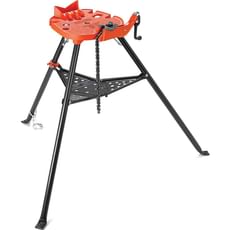
Modern workbenches available from Tooled-Up.com range from fixed workshop stations featuring integrated storage and power outlets to folding portable benches ideal for site work and limited spaces. Complementing these are various vice types—including woodworking bench vices, metalworking engineer's vices, specialist pipe vices, and quick-release models. Supporting equipment includes sawhorses and trestles for temporary work surfaces, trade-specific tool workstations, and anvils for metalworking tasks. Each product type serves distinct purposes, and selecting the right combination depends on your trade, available space, and the materials you work with most frequently.
Quality workbenches and vices represent a long-term investment in your craft. Professional-grade options from manufacturers like Stanley and specialist suppliers offer robust construction with hardwood or engineered work surfaces capable of withstanding years of demanding use, whilst budget-friendly alternatives suit occasional users. The right setup not only improves work quality by providing stability and precision but also enhances safety by securely holding materials during cutting, drilling, filing, and assembly operations—reducing the risk of workpiece movement that can cause injury or damage.
Jargon Buster
- Jaw Width: The maximum opening capacity of a vice, typically measured in millimetres. Common bench vices range from 100mm for light work to 200mm+ for heavy-duty metalworking applications. Wider jaws accommodate larger workpieces but require more bench space.
- Working Height: The distance from floor to bench surface, crucial for comfortable working posture and preventing back strain. Standard heights typically measure 850-900mm, though adjustable options accommodate different users and task requirements.
- Load Capacity: The maximum weight a workbench can safely support, including both static load (items resting on the surface) and dynamic load (during hammering or force application). Professional benches typically handle 200-500kg or more, whilst portable options may support 150-250kg.
- Quick-Release Mechanism: A feature on modern vices allowing rapid opening and closing without continuous screw turning, significantly speeding up workflow when frequently changing workpieces—particularly valuable for production work or repetitive tasks.
- Bench Dogs: Removable pegs that fit into holes on a workbench surface, used alongside vices to secure irregular-shaped items or long boards for planing and sanding. Essential for traditional woodworking techniques.
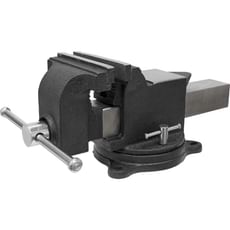
- Swivel Base: A rotating mount allowing a vice to turn 360 degrees, useful for accessing different angles without repositioning the workpiece—particularly valuable for metalworking, engineering tasks, and detailed finishing work.
Who Uses Workbenches & Vices?
Workbenches and vices serve a diverse range of professionals and enthusiasts across multiple trades:
- Joiners and carpenters rely on sturdy woodworking benches with integrated vices for precision joinery, planing, and assembly work
- Mechanics and automotive technicians use heavy-duty benches for component servicing, with engineer's vices for metalwork and pipe vices for exhaust systems
- Electricians and plumbers benefit from portable workmate benches on site and workshop benches with integrated 240v power outlets for cable preparation and fitting assembly
- Engineers and fabricators require robust metalworking benches with precision vices and anvils for shaping, filing, and assembly tasks
- Maintenance teams across facilities use general-purpose workbenches for equipment repairs and servicing
- Jewellers and watchmakers utilise specialist small-scale benches with precision miniature vices for detailed work
- DIY enthusiasts and hobbyists choose space-saving folding benches and multi-purpose vices for home workshop projects
- Decorators and tilers employ sawhorses and trestles as temporary work surfaces on site
- Blacksmiths and metalworkers require anvils and forging equipment alongside heavy-duty workstations
How to Choose the Right Workbenches & Vices
Work Type and Materials
Woodworkers need benches with softer surfaces that won't damage timber, often featuring front and tail vices plus bench dog holes for versatile workholding. Metalworkers require tougher surfaces capable of withstanding hammering, grinding, and welding spatter, paired with cast-iron engineer's vices. General maintenance work suits multi-purpose benches with moderate load capacities and versatile mounting options.
Space and Portability
Fixed workshops accommodate permanent heavy-duty benches offering maximum stability and integrated storage. For site work or small garages, folding workmate benches and portable sawhorses provide flexibility and convenient transport. Consider ceiling height if using overhead lighting or storage, and ensure adequate clearance around the bench for comfortable movement and material handling.
Construction Quality
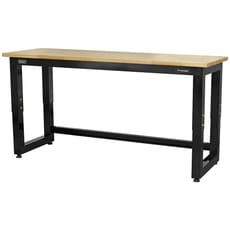
Professional benches feature hardwood or thick engineered wood surfaces (typically 40-60mm), steel or cast-iron frames, and reinforced leg assemblies capable of withstanding years of heavy use. Budget options use thinner MDF or chipboard surfaces suitable for lighter tasks. Vice quality varies from cast iron for durability to pressed steel for economy—cast iron offers superior longevity and clamping force for demanding applications.
Load Requirements
Match the bench's load capacity to your typical workpieces. Engine rebuilds require 500kg+ capacity, whilst electronics repair needs minimal load bearing. Check both static and dynamic ratings, as hammering and force application create different stresses than simply supporting weight. Tooled-Up stocks benches across the full capacity range to suit all requirements.
Height and Ergonomics
Standard bench heights suit users of average height, but adjustable-leg models accommodate different statures and tasks. Lower heights suit heavy hammering work, whilst higher positions reduce back strain for detailed assembly. Consider whether you'll work standing or seated, with specialist jeweller's benches designed specifically for seated use.
Integrated Features
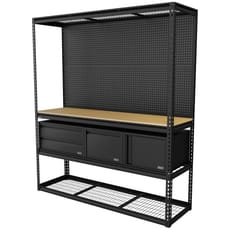
Modern workstations often include built-in storage drawers, 240v power outlets (complying with UK electrical standards), integrated lighting, and vice mounting points. Tool workstations designed for specific trades may include specialised holders and organisers. Evaluate which features justify additional cost versus standalone additions purchased separately.
Vice Selection
Choose vice jaw width based on typical workpiece sizes—100-125mm suits general DIY, 150-175mm serves most professional needs, whilst 200mm+ handles large-scale metalwork. Quick-release mechanisms save considerable time on high-volume work. Swivel bases add versatility but reduce maximum clamping force slightly. Ensure the vice mounting method suits your bench construction, with through-bolting providing the strongest fixing.
Popular Accessories
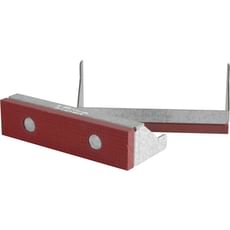
- Bench Vice Accessories: Soft jaws (rubber, aluminium, or wood) protect delicate workpieces from marking; magnetic jaw covers enable rapid protection changes without removing existing jaws
- Bench Dog Sets: Expand workholding capability with various sizes and styles of pegs for securing irregular shapes and long boards during planing or sanding
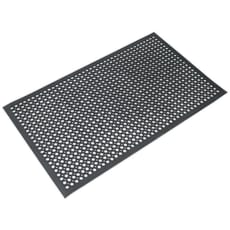
- Work Mats: Rubber or foam mats protect bench surfaces from spills, cuts, and impact damage whilst providing comfortable anti-fatigue standing surfaces
- Tool Organisers: Pegboards, magnetic strips, and drawer dividers keep frequently-used tools accessible and organised, improving workshop efficiency
- Bench Lighting: LED task lights or articulated lamps improve visibility for detailed work, with magnifying options available for precision tasks
- Clamps and Cramps: G-clamps, F-clamps, and quick-release clamps supplement vice holding for complex assemblies and multi-piece projects
- Mobile Bases: Wheeled platforms convert static benches into moveable workstations with locking castors providing stability during use
- Power Strips and Extensions: UK 13A trailing sockets provide convenient power access for tools, complying with BS 1363 standards
Safety Information
Safe workbench and vice usage protects both users and workpieces:
- Ensure workbenches are positioned on level, stable floors and secured against movement during use—particularly important when hammering or applying significant force
- Check vice mounting bolts regularly and re-tighten as needed, as vibration from use can loosen fixings over time, potentially causing failure
- Never exceed the stated load capacity of benches or vices, as overloading risks collapse and serious injury from falling materials or equipment
- Wear appropriate PPE including safety glasses when grinding, cutting, or striking metal components secured in vices, as specified by HSE guidance
- Position benches away from trip hazards and ensure adequate lighting to prevent accidents with sharp tools and edges
- When using integrated electrical sockets, ensure all power tools have been PAT tested and circuits include RCD protection as required by UK electrical safety standards
- Store heavy items in lower bench drawers to maintain stability and prevent tip-over risks
- Keep bench surfaces clear of clutter to prevent tools falling or interfering with work, reducing accident risk
- For metalworking benches with anvils, ensure adequate clearance around striking zones and warn others in the workshop before heavy hammering
Frequently Asked Questions
What's the difference between a woodworking bench and a general workshop bench?
Woodworking benches feature softer work surfaces (typically hardwood like beech) that won't damage timber, integrated front and tail vices, and rows of bench dog holes for versatile workholding. General workshop benches have tougher surfaces resistant to impacts, spills, and heat, with simpler vice mounting and often integrated storage. Woodworking benches prioritise precision and material care, whilst workshop benches emphasise durability and versatility across multiple materials including metal, plastics, and composites.
Can I mount a vice to any workbench?
Most benches accommodate vice mounting, but the bench must be sufficiently thick and robust. A minimum 25-30mm thick work surface is needed for secure mounting, though 40mm+ is preferable for heavy-duty vices experiencing significant clamping forces. The bench frame should be rigid enough to resist twisting forces. Some portable or lightweight benches aren't suitable for large engineer's vices. Check the vice mounting requirements and bench specifications before purchasing—through-bolting provides the strongest fixing method.
How much space do I need around a workbench?
Allow at least 900mm clearance on the working side for comfortable movement and tool use without obstruction. If the bench is accessible from multiple sides, provide 750mm minimum around other edges. Consider the space needed for long materials—timber lengths or metal sections extending beyond the bench require additional clearance. For workshop planning, budget approximately 3-4 square metres per workstation including storage and movement space to ensure safe, efficient working conditions.
Are folding workbenches strong enough for professional use?
Quality folding benches from established manufacturers like Stanley offer impressive load capacities (often 200-300kg) suitable for many professional applications, particularly site work where portability is essential. However, they lack the absolute rigidity and mass of fixed benches, making them less suitable for heavy metalwork or precision joinery requiring maximum stability. Many tradespeople use both—fixed benches in permanent workshops and folding options for site work—combining the benefits of each design.
What maintenance do workbenches and vices require?
Regularly clean work surfaces to remove debris, oils, and moisture that can damage wood or cause rust on metal surfaces. Treat wooden surfaces annually with linseed oil or specialist bench finish to maintain condition. Lubricate vice screws and slides every few months with light machine oil, cleaning away accumulated sawdust and metal filings first. Check and re-tighten all fixings quarterly, as vibration loosens bolts over time. Inspect for cracks, splits, or damage and repair promptly to prevent deterioration and maintain safe working conditions.