

Workbenches

Pay in 3 interest-free payments on purchases from £20-£3000 with  . Learn more.
 Loading...
End of content
Error - No more pages to load
About Workbenches
A quality workbench forms the foundation of any productive workshop, providing a stable, dedicated surface for assembly, repair, maintenance and fabrication tasks. Whether you're working with timber, metal, electronics or general mechanics, the right workbench combines robust construction with practical features to support your daily work. Modern workbenches range from simple steel-framed designs with hardwood or stainless steel tops to sophisticated modular systems that integrate storage, power distribution and tool organisation in a single footprint.
The selection at Tooled-Up.com includes everything from traditional woodworking benches with substantial hardwood worktops to industrial-grade steel workbenches designed for heavy engineering tasks. Leading brands such as Sealey, Bunker and Festool offer solutions tailored to different workshop requirements, with options including mobile teardown benches for automotive work, adjustable-height frames for ergonomic comfort, and complete modular storage combinations that maximise vertical space. Many contemporary workbenches feature integrated pegboard systems, power sockets for 240v tools, and soft-close drawer mechanisms for convenient tool storage within arm's reach.
Workbench construction varies significantly depending on intended use. Hardwood worktops provide an ideal surface for woodworking, absorbing impacts without damaging delicate timber projects, whilst stainless steel tops resist chemicals, oils and corrosion—making them perfect for automotive and mechanical applications. Load capacity represents another crucial consideration, with professional benches engineered to support several hundred kilograms distributed across the worktop. Powder-coated steel frames offer durability and scratch resistance, ensuring your investment withstands years of demanding workshop use.
Jargon Buster
- Worktop Material: The working surface of the bench, commonly available in hardwood (typically beech), stainless steel, or laminated MDF. Hardwood suits woodworking and general tasks, stainless steel resists chemicals and corrosion for mechanical work, whilst laminated surfaces offer an economical option for lighter duties.
- Load Capacity: The maximum weight a workbench can safely support, usually specified as either uniformly distributed load (UDL) across the entire surface or point load at a single location. Professional benches typically handle 250-500kg UDL.
- Pegboard System: A perforated panel mounted above or behind the workbench, accepting hooks and holders for tool organisation. Power pegboards incorporate 240v sockets and USB charging ports for convenient access to electrical power.
- Modular Storage: Interchangeable drawer units, cabinets and shelving components that can be configured to suit individual workshop requirements, allowing you to expand and reconfigure storage as your tool collection grows.
- Soft-Close Mechanism: Hydraulic or pneumatic dampers fitted to drawers that prevent slamming, protecting tools and reducing noise in the workshop environment.
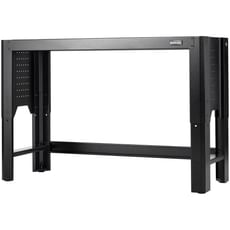
- Adjustable Height Frame: A workbench base with telescopic legs or mechanical adjustment, allowing the work surface to be raised or lowered to suit different users or tasks, promoting ergonomic working postures.
Who Uses Workbenches?
- Carpenters and Joiners: Require substantial hardwood benches with vices for timber preparation, assembly and finishing work
- Vehicle Mechanics and Technicians: Benefit from mobile teardown benches and stainless steel surfaces resistant to oils and solvents
- Electricians: Need stable surfaces for assembly work, cable preparation and equipment testing with convenient 240v power access
- Plumbers: Use workbenches for pipe cutting, fitting assembly and tooling preparation
- Manufacturing and Assembly Workers: Rely on ergonomic benches for repetitive component assembly tasks
- Maintenance Engineers: Require robust benches for equipment strip-down, repair and rebuild operations
- Electronics Technicians: Need clean, static-controlled work surfaces for precision assembly and circuit board work
- Hobbyists and DIY Enthusiasts: Benefit from compact benches that provide dedicated workspace for home projects
- Model Makers and Craftspeople: Use benches for detailed work requiring stable, well-lit surfaces
- Bicycle Mechanics: Appreciate workbenches with integrated storage for tools and spare components
How to Choose the Right Workbenches
Worktop Material Selection: Match the work surface to your primary tasks. Hardwood tops suit woodworking, providing a forgiving surface that won't damage timber projects. Stainless steel offers superior chemical resistance for automotive and engineering applications, whilst remaining easy to clean. Consider worktop thickness—40mm+ hardwood provides excellent rigidity for demanding work.
Size and Footprint: Measure your available workshop space carefully, allowing adequate clearance around the bench for comfortable working. Standard lengths range from 1200mm to 2000mm, with depths typically between 600mm and 900mm. Ensure sufficient space exists for drawer and door opening if selecting benches with integrated storage.
Load Capacity Requirements: Assess the weight of materials and equipment you'll regularly place on the bench. Professional-grade benches at Tooled-Up support 300-500kg distributed loads, essential for metalworking, engine components or heavy tooling. Lighter benches suit electronics work and general assembly tasks.
Storage Integration: Consider how much tool storage you require within the bench itself. Modular systems from manufacturers like Bunker offer comprehensive drawer and cabinet combinations, keeping frequently-used tools organised and accessible. Soft-close mechanisms protect precision instruments from impact damage.
Height and Ergonomics: Standard workbench height sits around 850-900mm, but adjustable-height frames accommodate different users and tasks. Proper working height reduces back strain during extended periods at the bench—your elbows should form approximately 90-degree angles when your hands rest on the worktop.
Mobility Considerations: Mobile workbenches on lockable castors provide flexibility in smaller workshops, allowing you to reposition the bench or move it aside when floor space is needed. Ensure castors feature adequate load rating and reliable locking mechanisms.
Power Distribution: If you regularly use 240v power tools, consider benches with integrated power strips or power pegboard systems that position sockets conveniently above the work surface, eliminating trailing cables across your workspace.
Popular Accessories
- Bench Vices: Essential for securing workpieces during cutting, filing or assembly operations
- Pegboard Hooks and Holders: Maximise vertical storage space for frequently-used hand tools
- Tool Drawer Organisers: Foam inserts and compartment dividers keep tools organised and protected
- Work Lamps: LED task lighting illuminates the work surface for precision tasks
- Power Strips and Extensions: Provide additional 240v outlets for power tools and equipment
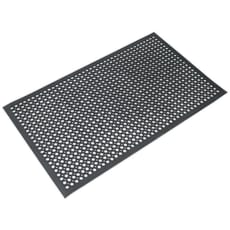
- Anti-Fatigue Matting: Reduces leg and back fatigue during extended periods standing at the bench
- Bench Grinders: Mount directly to the worktop for sharpening and grinding operations
- Storage Bins and Containers: Keep fixings, fasteners and small components organised
- Magnetic Tool Holders: Secure screwdrivers, wrenches and other metal tools within easy reach
- Bench Hooks and Clamps: Provide additional workholding capability for awkward components
Safety Information
Stable Installation: Ensure workbenches are positioned on level flooring and, where appropriate, secured to walls to prevent tipping when drawers are fully extended or heavy loads are positioned at the front edge. Mobile benches should have all castors locked during use.
Load Limits: Never exceed the manufacturer's stated load capacity. Distribute weight evenly across the worktop rather than concentrating heavy items in one area. Be particularly cautious with cantilever loads extending beyond the bench edge.
Electrical Safety: When using workbenches with integrated 240v power systems, ensure all electrical installations comply with BS 7671 wiring regulations. Use RCD protection for power tools, particularly in damp workshop environments. Regularly inspect cables for damage.
Fire Prevention: Keep flammable materials, solvents and aerosols away from heat sources and electrical equipment on or near the workbench. Ensure adequate workshop ventilation when working with volatile substances. Maintain a suitable fire extinguisher within easy reach.
Manual Handling: Workbenches with modular storage can become extremely heavy when fully loaded with tools. Use mechanical aids or additional personnel when repositioning loaded benches. Follow HSE manual handling guidance to prevent injury.
Frequently Asked Questions
What's the difference between hardwood and stainless steel worktops?
Hardwood worktops, typically constructed from beech, provide an ideal surface for woodworking and general workshop tasks. The timber absorbs impacts without damaging delicate workpieces and can be refinished if damaged. Stainless steel tops offer superior resistance to chemicals, oils and corrosion, making them perfect for automotive and mechanical work where cleaning requirements are demanding. Steel surfaces are also non-porous and won't absorb fluids.
How much weight can a typical workbench support?
Professional workshop benches from brands like Sealey and Bunker typically support between 300-500kg as a uniformly distributed load (UDL) across the entire worktop. Lighter-duty benches may be rated for 100-200kg, suitable for electronics work and general assembly. Always check the manufacturer's specifications and remember that point loads concentrated in one area can stress the structure more than distributed weight.
Do I need a mobile workbench or a static one?
This depends on your workshop layout and working style. Static benches provide maximum stability and often feature larger work surfaces and more integrated storage. Mobile benches on lockable castors suit smaller workshops where you need flexibility to reposition equipment or clear floor space. If you frequently work on large items requiring access from multiple angles, a mobile bench offers significant advantages. Ensure mobile benches have all castors locked during use.
What height should my workbench be?
Standard workbench height ranges from 850-900mm, suitable for most users. The ideal height positions your elbows at approximately 90 degrees when your hands rest on the worktop, reducing back and shoulder strain. If multiple people use the bench or you perform varied tasks, consider an adjustable-height frame that accommodates different working preferences. Precision work often benefits from slightly higher benches, whilst heavy assembly work may suit lower heights.
Can I add storage to an existing workbench?
Many workbenches feature open frame construction that accommodates aftermarket drawer units and cabinets. Tooled-Up stocks modular storage components that can be integrated with compatible bench frames. Alternatively, pegboard systems mounted above the bench provide vertical storage without occupying valuable worktop space. Check your bench frame dimensions and load capacity before adding storage, ensuring the structure can support the additional weight when drawers are fully loaded.