

Wrecking Bars

Pay in 3 interest-free payments on purchases from £20-£3000 with  . Learn more.
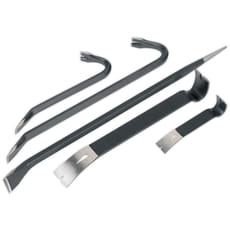
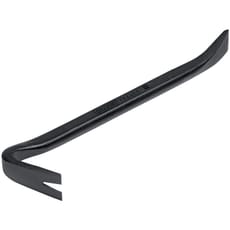
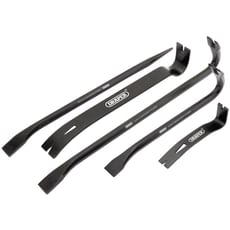
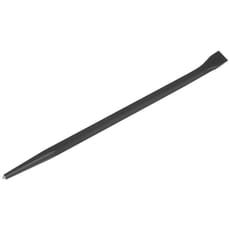
 Loading...
End of content
Error - No more pages to load
About Wrecking Bars
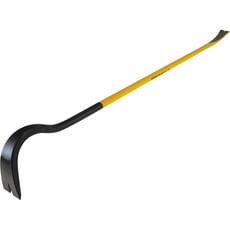
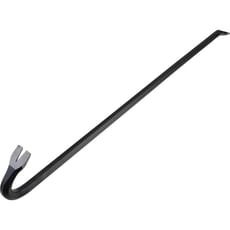
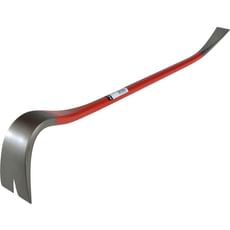
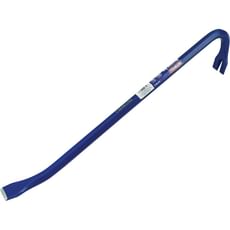
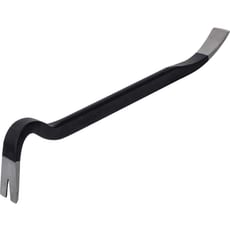
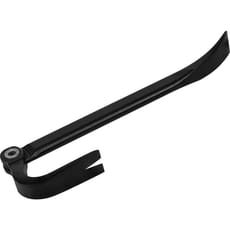
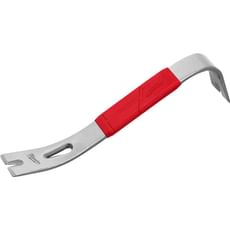
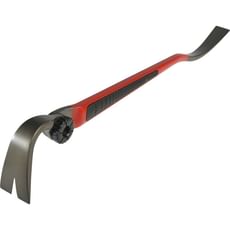
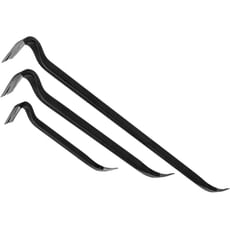
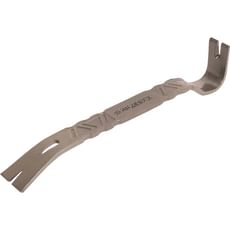
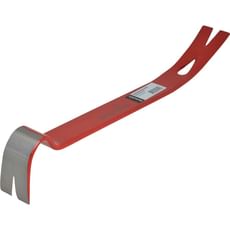
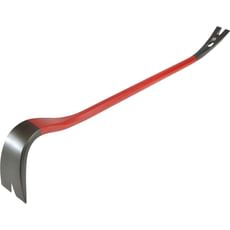
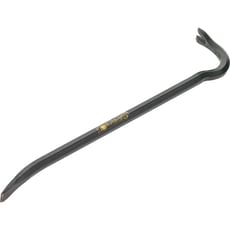
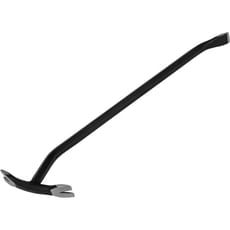
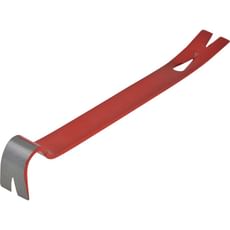
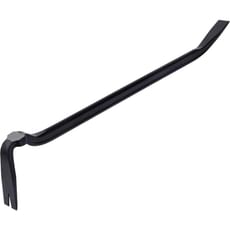
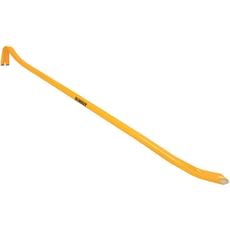
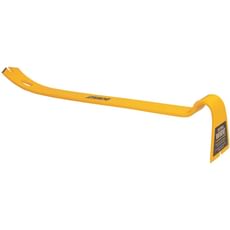
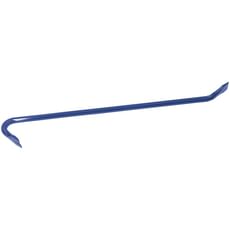
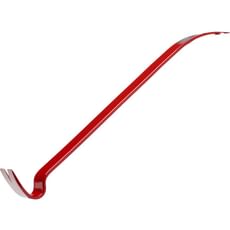
Wrecking bars are essential demolition and prying tools designed to deliver maximum leverage for heavy-duty tasks. Also known as crowbars or pry bars, these robust tools feature a solid steel construction with specifically shaped ends—typically one flat chisel end and one curved claw end—that allow tradespeople to lever up floorboards, remove nails, dismantle wooden structures, pry apart joists, and perform general demolition work. The hexagonal or round shaft design provides exceptional strength whilst the length of the bar—ranging from compact 300mm models to substantial 1800mm versions—determines the amount of leverage that can be applied.
Tooled-Up.com stocks wrecking bars from leading manufacturers including Roughneck, Hultafors, DeWalt, Milwaukee, and Stanley, each engineered to withstand the demanding conditions of construction sites, renovations, and demolition projects. Modern wrecking bars often feature protective coatings such as epoxy finishes that enhance rust resistance and durability, whilst ergonomic improvements like rubberised grips or shock-absorbing technology reduce user fatigue during extended use. Whether you're a professional contractor tackling major demolition work or a DIY enthusiast renovating a property, selecting the right wrecking bar significantly impacts both efficiency and safety.
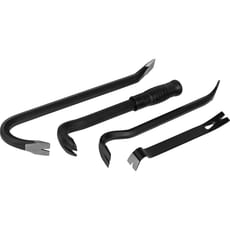
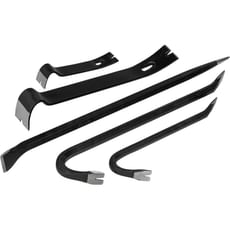
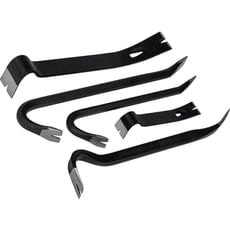
The versatility of wrecking bars extends beyond simple prying—they're invaluable for lifting heavy slabs, aligning structural components, removing roofing timbers, extracting embedded nails, and separating materials that have been fixed together. Multi-piece sets are particularly popular, offering various lengths and end configurations to suit different applications, from precision work in tight spaces to high-leverage tasks requiring substantial force.
Jargon Buster
- Chisel End: The flat, sharpened end of a wrecking bar designed to fit into narrow gaps between materials, allowing you to initiate the prying action. Ideal for splitting timber, lifting floorboards, and general levering work.
- Claw End: The curved, forked end featuring a nail slot that enables efficient nail extraction and provides alternative leverage points. The curve allows you to rock the bar for progressive lifting action.
- Hexagonal Shaft: A six-sided bar profile that prevents the tool from rolling when placed down and provides superior strength compared to round shafts. The flat surfaces also offer better grip when using a hammer to drive the bar into position.
- Gorilla Bar: A heavy-duty wrecking bar design, often featuring an extended length and reinforced construction for maximum leverage in demanding demolition applications. The term is commonly associated with Roughneck's professional-grade range.
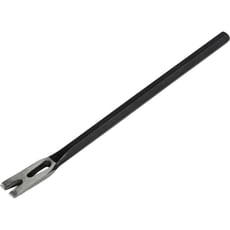
- Aligning Bar: A specialised variant with tapered or pointed ends, primarily used for aligning bolt holes in structural steelwork or adjusting heavy components into position rather than prying.
- Epoxy Coating: A protective finish applied to steel wrecking bars that provides rust resistance, increases surface hardness, and extends tool lifespan, particularly important for tools exposed to moisture on construction sites.
Who Uses Wrecking Bars?
- Demolition Contractors: Professionals specialising in structural dismantling who rely on wrecking bars for breaking down buildings, removing fixtures, and separating materials.
- Carpenters and Joiners: Tradespeople who use wrecking bars to dismantle wooden structures, remove old floorboards, extract embedded nails, and perform renovation carpentry.
- Builders and General Contractors: Construction professionals who need wrecking bars for site preparation, stripping out existing installations, and general demolition work during renovation projects.
- Roofers: Specialists who use wrecking bars to remove old roofing timbers, lift tiles and slabs, and dismantle existing roof structures during replacement or repair work.
- Property Renovators: DIY enthusiasts and professional renovators tackling home improvement projects that involve stripping out kitchens, bathrooms, or removing old fixtures and fittings.
- Maintenance Engineers: Facility maintenance professionals who require wrecking bars for equipment dismantling, crate opening, and general prying tasks in industrial settings.
- Landscapers: Groundwork professionals using wrecking bars to lift paving slabs, remove embedded posts, and lever heavy materials during landscape construction.
How to Choose the Right Wrecking Bars
Length and Leverage: The bar length directly correlates to leverage capacity. Compact 300-450mm bars suit precision work in confined spaces, whilst 600-900mm models offer balanced versatility for general use. Extended 1200-1800mm wrecking bars provide maximum leverage for heavy demolition but require more working space and physical effort to manoeuvre.
Material and Construction: Quality wrecking bars are forged from high-carbon steel or chrome vanadium steel as a single piece, ensuring no weak points. Avoid welded constructions for heavy-duty applications. Check the shaft profile—hexagonal designs prevent rolling and provide superior strength compared to round profiles.
End Configuration: Consider which end types suit your typical tasks. Standard combinations include flat chisel and curved claw, but specialised versions offer variations such as pointed ends, wide lifting plates, or nail pullers. The selection available at Tooled-Up includes sets with multiple configurations for comprehensive versatility.
Surface Finish: Epoxy-coated or powder-coated bars offer superior corrosion resistance for site work exposed to moisture. Polished finishes provide aesthetic appeal but may require more maintenance. Black oxide coatings offer a middle ground between protection and cost.
Handle Design: Whilst traditional wrecking bars feature bare metal shafts, modern innovations include rubberised grips or shock-absorbing technology such as Milwaukee's ShockShield system, which significantly reduces vibration transmission and user fatigue during extended use.
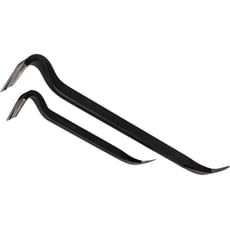
Set vs Individual: Multi-piece sets from manufacturers like Roughneck and Draper provide cost-effective solutions with various lengths and end types, ideal for professionals requiring comprehensive capability. Individual bars suit those with specific, focused requirements.
Popular Accessories
- Lump Hammers and Club Hammers: Essential companions for driving wrecking bars into position and providing additional striking force during demolition work.
- Protective Work Gloves: Heavy-duty gloves protect hands from sharp edges, splinters, and vibration when operating wrecking bars, particularly important during extended use.
- Lifting Aids and Rollers: Equipment that works alongside wrecking bars to move heavy materials once they've been levered up or separated.
- Tool Storage Solutions: Robust toolboxes or site storage systems from manufacturers like Stanley, DeWalt, and Milwaukee that accommodate long wrecking bars whilst protecting them from damage and the elements.
- Nail Pullers and Pincers: Complementary tools for extracting nails and fixings once they've been partially removed with a wrecking bar's claw end.
- Safety Goggles and Face Protection: Essential PPE to protect against flying debris, splinters, and dust generated during prying and demolition activities.
- Wedges and Shims: Used in conjunction with wrecking bars to maintain gaps and prevent materials from settling back down during progressive lifting operations.
Safety Information
Personal Protective Equipment: Always wear appropriate safety goggles or face protection when using wrecking bars, as prying and demolition work generates flying debris and splinters. Heavy-duty work gloves protect against sharp edges, whilst steel toe-cap boots guard against dropped bars or falling materials. Consider hearing protection during extended demolition work involving repetitive striking.
Proper Technique: Position yourself to avoid injury if the bar slips or the material suddenly gives way. Never place your body directly in line with the direction of force. Use your legs rather than your back for leverage, maintaining a stable stance with feet shoulder-width apart. When striking a wrecking bar with a hammer, ensure bystanders maintain a safe distance.
Tool Inspection: Before each use, inspect wrecking bars for cracks, deformation, or damage that could cause failure under load. Damaged tools should be removed from service immediately, as a failing wrecking bar under load presents serious injury risk. Check that any protective coatings remain intact to prevent corrosion that weakens the steel.
Structural Awareness: Before prying or demolishing, assess what you're removing for hidden hazards such as electrical cables, plumbing, or load-bearing elements. Consult building plans where available and consider professional structural advice for significant removals. Be aware of asbestos and other hazardous materials in older buildings, following HSE guidance for appropriate handling.
Controlled Force: Apply force progressively rather than sudden jerking motions that can cause loss of control. When working at height or on ladders, use smaller wrecking bars and ensure secure footing. Never over-extend your reach, and reposition rather than stretching to maintain balance and control.
Frequently Asked Questions
What's the difference between a wrecking bar, crowbar, and pry bar?
These terms are often used interchangeably, but subtle distinctions exist. Wrecking bars typically refer to heavy-duty demolition tools with substantial length and weight, whilst pry bars generally describe lighter, more compact levering tools. Crowbars traditionally feature a curved claw at one end and a flat chisel at the other. In practice, the terminology varies regionally and between manufacturers, with the functional design being more important than the specific name.
What length wrecking bar do I need for general use?
For versatile general-purpose work, a 600-900mm wrecking bar offers the best balance between leverage capability and manoeuvrability. This length suits most renovation tasks, floorboard removal, and moderate demolition work. Professional contractors often invest in multi-piece sets including 300mm, 600mm, and 900mm variants to cover all applications from precision prying in tight spaces to heavy lifting tasks.
Can wrecking bars damage the materials I'm working with?
Yes, wrecking bars are designed for forceful levering and can mark or damage materials, particularly softer woods and finished surfaces. When working with materials you wish to preserve, place wooden blocks or protective material between the bar and the surface to distribute force and prevent marking. For delicate work, consider using smaller pry bars with wider, flatter ends that spread the load more effectively.
How do I maintain my wrecking bar?
Clean wrecking bars after use to remove debris and moisture, then wipe with an oily cloth to prevent rust, particularly on uncoated areas. Store in a dry location away from ground moisture. Epoxy-coated bars require minimal maintenance but should be inspected for coating damage that exposes bare steel. Sharpen chisel ends periodically using a bench grinder to maintain effectiveness, and check for any deformation or cracking that indicates the tool should be replaced.
Are more expensive wrecking bars worth the investment?
For professional tradespeople using wrecking bars regularly, premium models from manufacturers like Hultafors, DeWalt, and Milwaukee offer superior steel quality, better protective coatings, and ergonomic features that enhance durability and reduce fatigue. The investment typically pays for itself through extended lifespan and improved productivity. For occasional DIY use, mid-range options from brands like Roughneck and Draper provide excellent value whilst still delivering reliable performance and adequate durability.