

18v Polishers
Pay in 3 interest-free payments on purchases from £30-2000 with  . Learn more.
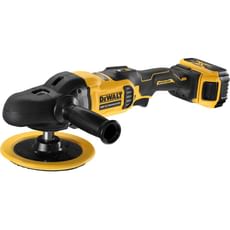
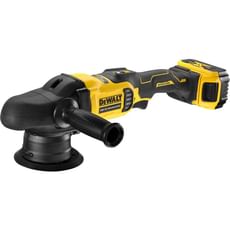
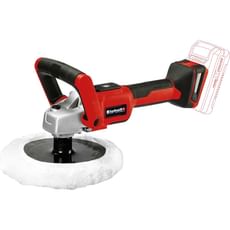
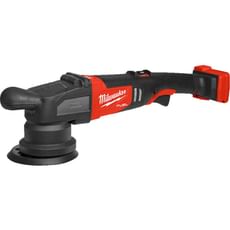
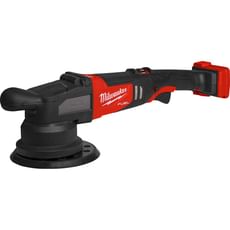
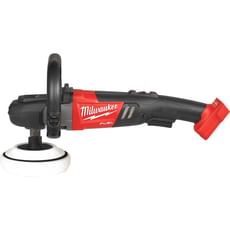
Milwaukee M18 FROP15 Fuel 18v Cordless Brushless Random Orbit Polisher 125mm
in stock
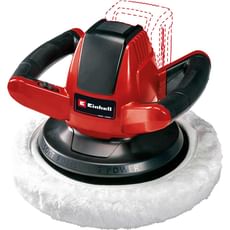
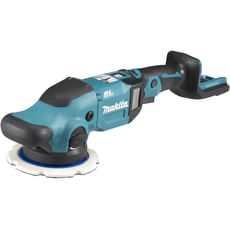
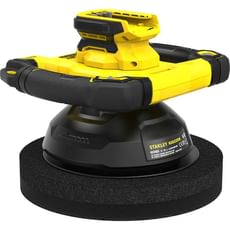
 Loading...
End of content
Error - No more pages to load
About 18v Polishers
18v cordless polishers have transformed surface finishing and paint correction work, delivering professional results without the constraints of mains power cables. These battery-powered tools excel in automotive detailing, marine maintenance, and composite finishing applications where mobility is essential. Whether you're removing swirl marks from vehicle paintwork, applying protective waxes, or achieving mirror finishes on gelcoat surfaces, an 18v polisher provides the freedom to work efficiently across multiple locations without searching for power outlets or managing extension leads.
The range available from Tooled-Up.com includes several polisher configurations to suit different skill levels and applications. Dual action (DA) polishers combine rotational movement with oscillation, making them safer for beginners whilst still delivering professional-grade results on paintwork. Rotary polishers offer more aggressive cutting power for serious paint correction work, whilst random orbital models provide an excellent balance for general polishing and finishing tasks. Leading manufacturers including Milwaukee M18 FUEL, DeWalt XR, Makita LXT, Einhell, and Sealey have developed comprehensive 18v platforms, meaning your existing batteries power your polisher alongside drills, impact drivers, and other cordless tools.
Modern 18v polishing tools feature brushless motor technology as standard across premium models, delivering increased runtime, extended tool life, and consistent power output throughout the battery charge cycle. Available pad sizes typically range from 125mm to 240mm, with larger pads covering expansive surfaces quickly whilst smaller diameters offer superior manoeuvrability around contours, door handles, and tight spaces. Whether you're a professional mobile valeter working on multiple vehicles daily or a DIY enthusiast maintaining your own car to showroom standards, cordless polishers offer unmatched convenience combined with genuinely professional performance.
Jargon Buster
- Dual Action (DA) Polisher – A polisher combining rotational movement with oscillating (orbital) motion. This dual movement pattern reduces heat build-up and minimises the risk of paint damage, making DA polishers ideal for beginners and general maintenance polishing work.
- Rotary Polisher – A polisher that spins in simple circular motion without oscillation. Rotary polishers generate more heat and cutting power, making them excellent for heavy paint correction and defect removal but requiring more skill to avoid burning through clear coat layers.
- Random Orbital – Similar to dual action, but featuring a randomised oscillation pattern that eliminates circular scratching patterns (holograms) and provides swirl-free finishes. Particularly effective for final finishing stages and achieving show-quality results.
- Brushless Motor – Advanced motor technology eliminating carbon brushes, resulting in more efficient power delivery, extended runtime per battery charge, reduced maintenance requirements, and significantly longer tool lifespan compared to brushed equivalents.
- OPM (Orbits Per Minute) – Measurement of how many oscillating cycles a polisher completes per minute. Higher OPM settings deliver more aggressive cutting action for defect removal, whilst lower speeds are better for applying waxes, sealants, and final finishing work.
- Throw – The distance the polishing pad travels during each oscillation cycle, typically measured in millimetres. Larger throws (15-21mm) cut more aggressively for paint correction, whilst shorter throws (8-12mm) are gentler for finishing and wax application.
Who Uses 18v Polishers?
- Mobile Valeting and Detailing Professionals – working at customer locations without access to 240v mains power supplies
- Automotive Body Shops – for paint correction, swirl mark removal, and final finishing after repair work
- Car Dealerships – preparing vehicles for forecourt display and maintaining showroom condition presentation
- Marine Maintenance Specialists – polishing gelcoat and painted surfaces on boats, yachts, and watercraft
- Aircraft Detailers – maintaining painted surfaces on private aircraft, helicopters, and light aviation
- Commercial Vehicle Fleets – keeping lorries, vans, and fleet vehicles in pristine condition for professional image
- Motorcycle Enthusiasts – detailing bikes and achieving show-quality finishes on tanks, fairings, and bodywork
- Classic Car Restorers – achieving concours-level paint finishes on restoration projects and vintage vehicles
- Caravan and Motorhome Owners – maintaining large surface areas without requiring generator power or mains connection
- DIY Car Enthusiasts – home detailing and maintaining their own vehicles to professional standards
- Furniture Restorers – polishing painted and lacquered wooden surfaces, french polishing applications
- Composite Fabricators – finishing fibreglass, carbon fibre, and other composite materials to high-gloss standards
How to Choose the Right 18v Polishers
Type of Polisher: Consider your skill level and intended applications carefully. Dual action and random orbital polishers are more forgiving and suitable for beginners, with significantly reduced risk of paint damage. They're ideal for regular maintenance, wax application, and light correction work. Rotary polishers offer maximum cutting power for heavy oxidation removal and deep scratch correction but require more experience to use safely without burning through clear coat. If you're primarily applying wax and maintaining paintwork, choose a DA or random orbital model. For serious paint correction on heavily defected surfaces, a rotary polisher delivers faster results in experienced hands.
Pad Size: Larger pads (180-240mm) cover more surface area quickly, making them efficient for bonnets, roofs, van sides, and other expansive panels. However, they're heavier and less manoeuvrable around wing mirrors, door handles, and curved panels. Smaller pads (125-150mm) provide better control for detailed work and are less fatiguing during extended polishing sessions. Consider what you'll be polishing most frequently – larger vehicles and commercial vans benefit from bigger pads, whilst compact cars, motorcycles, and intricate bodywork suit smaller diameter tools.
Speed Control: Variable speed adjustment is essential for different polishing stages and product types. Lower speeds (1000-2000 OPM) are ideal for applying waxes and sealants without splattering, whilst higher speeds (4000-6000 OPM) provide the cutting action needed for compound work and defect removal. Electronic speed control maintains consistent pad speed under load, preventing the tool from slowing down when pressure is applied. Tooled-Up stocks models with speed dials for quick adjustment between different tasks and products.
Battery Compatibility: If you already own 18v tools from Milwaukee, DeWalt, Makita, or Einhell, choosing a polisher from the same platform means your existing batteries work across all your cordless tools. Consider the amp-hour (Ah) rating of your batteries – polishers are relatively power-hungry, so 4.0Ah or 5.0Ah batteries provide decent runtime, whilst 6.0Ah and above offer extended use between charges. Many professional detailers keep multiple batteries in rotation to maintain productivity throughout the working day.
Ergonomics and Weight: Polishing can be physically demanding, especially during extended sessions or overhead work on roofs and bonnets. Look for models with well-positioned handles allowing different grip positions for various angles and surfaces. Soft-grip materials reduce vibration transmission and hand fatigue. Remember that battery weight adds significantly to overall tool weight – lighter models (under 2.5kg with battery fitted) reduce arm strain during longer jobs and overhead applications.
Build Quality and Brand: Professional-grade models from Milwaukee M18 FUEL, DeWalt XR, and Makita LXT ranges offer brushless motors, robust construction, and comprehensive manufacturer warranties. These tools withstand daily commercial use and deliver consistent performance. Mid-range options from Einhell and Stanley FatMax V20 provide excellent value for regular DIY use and occasional professional work. Consider the frequency and intensity of your intended use when balancing budget against build quality and longevity.
Popular Accessories
- Polishing Pads – Available in various grades (cutting, polishing, finishing) and materials (foam density, wool, microfibre) for different correction and finishing stages. Essential consumables requiring regular replacement as they wear.
- Backing Plates – The interface component between tool and pad. Spare backing plates in different sizes let you adapt pad diameter for different applications, whilst hook-and-loop fastening ensures quick pad changes between stages.
- Polishing Compounds – Cutting compounds remove defects and scratches, whilst polishing compounds refine the finish. Finishing polishes create the final gloss and clarity. Different products suit different paint types and defect severity levels.
- Waxes and Sealants – Protect the polished surface and enhance gloss levels. Applied with finishing pads at low speeds for even distribution and lasting protection against environmental contamination.
- Extra Batteries – 5.0Ah or 6.0Ah capacity batteries keep you working throughout the day. Rapid chargers minimise downtime between battery swaps during professional use.
- Microfibre Towels – Essential for removing polish residue and buffing to final shine. Different grades and pile heights for various stages of the detailing process.
- Tool Bags and Storage – Protect your investment and keep pads, compounds, and accessories organised. Platform-specific storage like Milwaukee PACKOUT or DeWalt TSTAK integrates with wider cordless tool systems.
- Paint Depth Gauge – For professional paint correction work, these gauges measure clear coat thickness to avoid polishing through to base coat or primer layers, particularly important on resprayed panels.
Safety Information
Personal Protective Equipment: Always wear safety glasses or goggles when polishing, as compounds can splash during application and pad rotation can throw debris and dried product. Polishing creates fine dust particles, particularly when working with dried compound residue, so a dust mask or respirator is advisable for extended sessions in enclosed spaces like garages. Hearing protection may be necessary during prolonged use, as some models generate noise levels exceeding 85dB under load.
Safe Operation: Ensure the polishing pad is securely attached to the backing plate before starting the tool. Never start the polisher whilst the pad is in contact with the surface – build up speed with the pad clear, then bring it to the work surface. Keep the polisher moving at all times to prevent heat build-up which can damage paintwork and burn through clear coat. Never use excessive pressure; the weight of the tool provides sufficient contact. Ensure loose clothing, jewellery, and long hair are secured away from the spinning pad.
Work Area Preparation: Ensure the surface to be polished is clean and free from loose dirt, grit, and contamination which can cause scratching. Work in well-ventilated areas, particularly when using solvent-based compounds. When working on vehicles, ensure they're stable with handbrake applied and on level ground. Remove or mask badges, trim, and rubber seals to prevent polish build-up and pad snagging which can cause damage.
Battery Safety: Only use the manufacturer's genuine batteries and chargers designed for your specific tool platform. Don't use damaged batteries showing signs of swelling, leakage, or impact damage. Store batteries in a cool, dry location away from direct sunlight and heat sources. Remove the battery when changing pads or making adjustments to prevent accidental starting.
Chemical Handling: Many polishing compounds contain chemicals that may irritate skin. Wear gloves when applying products by hand or when handling used pads saturated with compound. Consult product safety data sheets (particularly COSHH documentation required on professional sites) for specific compounds. Store chemicals according to manufacturer instructions and dispose of contaminated materials responsibly in accordance with local authority regulations and environmental guidelines.
Frequently Asked Questions
Can I use the same batteries from my other 18v tools?
Yes, provided they're from the same manufacturer's platform. Milwaukee M18, DeWalt 18v XR, Makita LXT, and other branded systems use standardised battery connections across their entire cordless range. This cross-compatibility is one of the major advantages of modern cordless tool systems, allowing you to build a comprehensive toolkit powered by a shared battery collection. However, batteries from different manufacturers are not interchangeable, even if they're the same voltage rating.
How long will an 18v polisher run on a single battery charge?
Runtime depends on battery capacity (Ah rating), the speed setting used, and how much pressure is applied during use. Generally, a 5.0Ah battery provides approximately 30-45 minutes of continuous polishing at medium speeds. Larger 6.0Ah or 8.0Ah batteries extend this to around 45-60 minutes or more. Professional detailers typically keep multiple batteries charged and rotate them throughout the working day. Using lower speeds when applying waxes significantly extends runtime compared to high-speed cutting work with compounds.
What's the difference between dual action and rotary polishers?
Dual action (DA) polishers combine spinning motion with an oscillating (back-and-forth) movement, creating a random pattern that's much safer for paintwork and less likely to cause burning or holograms. They're ideal for beginners and general maintenance polishing. Rotary polishers spin in one continuous circular motion, generating more heat and cutting power for heavy defect removal and paint correction. Rotaries work faster on severe imperfections but require more skill to avoid burning through paint, particularly on edges, contours, and body lines.
Do I need different pads for different jobs?
Absolutely. Polishing is typically a multi-stage process requiring different pad types for optimal results. Cutting pads (usually firmer foam or wool) are used with cutting compounds to remove scratches and defects. Polishing pads (medium density foam) refine the finish with polishing compounds. Finishing pads (soft foam) apply waxes and glazes for the final glossy finish. Using the correct pad for each stage ensures optimal results and prevents damage. Most serious users maintain a collection of pads in various grades and sizes.
Can cordless polishers match the power of corded 240v models?
Modern brushless 18v polishers from premium manufacturers deliver performance comparable to corded equivalents for most applications. Brands like Milwaukee M18 FUEL, DeWalt XR, and Makita LXT have engineered their cordless polishers to provide professional-level power output and torque. The main limitation is runtime rather than power – whilst corded tools run indefinitely on 240v mains, cordless models require battery changes. For mobile work, small jobs, or situations where cables are impractical, cordless polishers are often preferable despite slightly reduced continuous runtime. Professional detailers successfully use 18v polishers for full-day commercial work by maintaining several charged batteries in rotation.