
Air Blowers

Pay in 3 interest-free payments on purchases from £20-£3000 with  . Learn more.
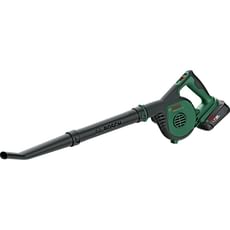
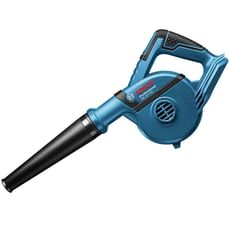
Bosch UNIVERSALLEAFBLOWER 18V-130 P4A 18v Cordless Garden Leaf and Workshop Blower
in stock
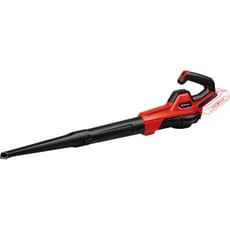
Einhell GE-UB 18/250 Li E 18v Cordless 3 Piece Pipe Garden Leaf and Workshop Blower
in stock
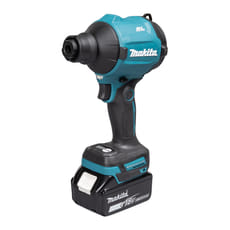
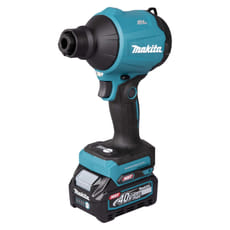
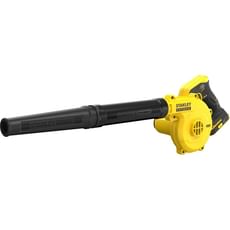
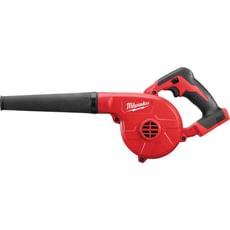
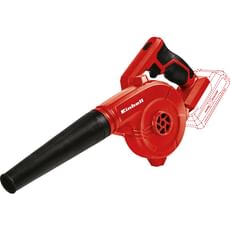
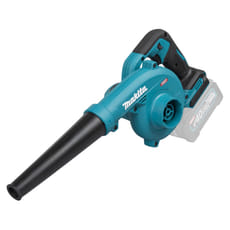
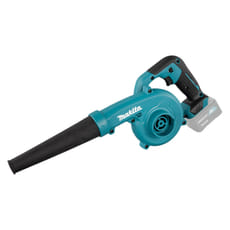
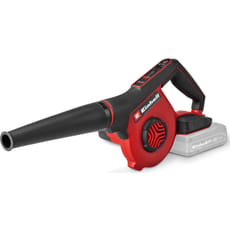
Loading...
End of content
Error - No more pages to load
About Air Blowers
Air blowers are versatile tools designed to deliver powerful streams of compressed air for cleaning, drying, and debris removal across workshops, construction sites, and industrial environments. These essential devices eliminate dust, sawdust, metal filings, and fine particles from work surfaces, machinery, and hard-to-reach areas where traditional cleaning methods prove ineffective. Unlike garden leaf blowers, workshop air blowers feature compact, ergonomic designs with precision nozzles engineered for controlled airflow in confined spaces and detailed cleaning applications.
The selection at Tooled-Up.com encompasses cordless blowers for maximum portability on site, electric blowers for sustained workshop use, and specialised dust blowers for sensitive electronics and precision equipment. Many professional-grade models offer dual functionality, switching seamlessly between blowing and vacuum modes to capture debris rather than dispersing it into the work environment. Whether clearing sawdust from joinery equipment, removing metal swarf from machined components, or preparing surfaces before painting, the right air blower significantly improves workplace cleanliness and operational efficiency.
Modern air blowers incorporate variable speed controls for precise airflow adjustment, brushless motor technology for extended runtime and durability, and efficient designs that deliver impressive performance whilst minimising energy consumption. Cordless models from leading manufacturers like Makita, DeWalt, and Milwaukee integrate with existing battery platforms, eliminating dependence on compressed air lines or mains power during site work. For permanent workshop installations, 240v electric blowers provide consistent, reliable performance for demanding daily cleaning routines and industrial applications.
Jargon Buster
- CFM (Cubic Feet per Minute): Measures the volume of air moved by the blower per minute. Higher CFM ratings indicate greater capacity for shifting heavier debris and covering larger surface areas quickly, making this specification crucial for heavy-duty cleaning applications.
- Air Velocity: The speed at which air exits the nozzle, typically measured in metres per second (m/s) or miles per hour (mph). Higher velocities excel at dislodging stubborn particles from crevices and textured surfaces, whilst lower speeds suit delicate components and sensitive electronics.
- Brushless Motor: Advanced motor technology that eliminates carbon brushes, delivering longer runtime per charge, increased energy efficiency, reduced maintenance requirements, and extended tool life compared to traditional brushed motors. Standard in premium cordless models.
- Variable Speed Control: Adjustable airflow intensity allows operators to match power output to specific tasks, preventing damage to delicate equipment whilst providing maximum force for heavy debris removal. Essential for versatile cleaning across different materials and applications.
- Dust Extraction Mode: Dual-purpose functionality available on certain models that converts the blower into a vacuum cleaner when fitted with appropriate dust collection bags or attachments, capturing debris for cleaner disposal and improved air quality.
- Concentrator Nozzle: Narrow attachment that focuses airflow into a powerful, targeted jet for precision cleaning of small components, drilled holes, and tight spaces where broad airflow would prove ineffective.
Who Uses Air Blowers?
Air blowers serve numerous trades and professional applications:
- Carpenters and Joiners: Clearing sawdust from workbenches, machinery beds, mortises, and joints before gluing or applying finishes
- Electricians: Removing dust and debris from electrical cabinets, consumer units, switchgear, and control panels to prevent short circuits and equipment failure
- Mechanics and Vehicle Technicians: Cleaning engine bays, removing metal filings from machined surfaces, and preparing components for assembly or inspection
- Metalworkers and Fabricators: Clearing swarf, grinding dust, welding spatter, and metal particles from work areas, machine tools, and fabricated assemblies
- Builders and General Contractors: Cleaning drilled holes before fixing installation, removing construction dust, and preparing surfaces before decoration
- IT Professionals: Maintaining computer equipment, server rooms, and electronic systems by removing dust that causes overheating and component failure
- Facility Maintenance Teams: Regular cleaning of industrial machinery, production equipment, and workshop environments to maintain operational efficiency
- Decorators and Painters: Ensuring dust-free surfaces before applying coatings, achieving professional finish quality on walls, woodwork, and metalwork
- DIY Enthusiasts: Maintaining home workshops, cleaning power tools after use, and preparing surfaces for woodworking projects
How to Choose the Right Air Blowers
Power Source: Cordless blowers offer unmatched portability for site work and accessing areas without mains power, whilst 240v electric blowers provide consistent performance for workshop environments requiring continuous operation. Consider your existing battery platform when selecting cordless models from Makita, DeWalt, or Milwaukee to maximise investment across your tool collection.
Airflow Performance: Match CFM rating and air velocity specifications to your typical applications. Light dust removal from electronics requires modest power, whereas clearing heavy metal filings or construction debris demands higher performance. Variable speed controls provide versatility across different tasks and prevent damage to sensitive components.
Ergonomics and Weight: Extended cleaning sessions demand lightweight designs with comfortable grips and balanced weight distribution to reduce operator fatigue. Cordless models vary significantly in weight depending on battery capacity, so consider handling characteristics when choosing between different platforms.
Dual Functionality: Workshop blowers with integrated vacuum capability offer excellent value, eliminating the need for separate equipment whilst capturing debris for cleaner disposal. Verify whether dust collection bags and vacuum attachments are included or available separately before purchasing.
Nozzle Options: Interchangeable or adjustable nozzles increase application versatility. Narrow concentrator nozzles excel at precision cleaning in confined spaces, whilst wider diffuser attachments cover larger surface areas efficiently for general workshop cleaning.
Build Quality: Professional-grade models feature robust construction, superior motor protection against dust ingress, sealed bearings, and comprehensive warranties. For occasional DIY use, mid-range options from brands like Einhell provide adequate performance at lower investment.
Popular Accessories
- Extension Nozzles: Rigid or flexible tubes that extend reach into machinery, cavities, and confined spaces without awkward positioning or disassembly
- Concentrator Attachments: Narrow tips focusing airflow into powerful jets for precision cleaning of small components, electrical contacts, and drilled holes
- Dust Collection Bags: Essential for models with vacuum functionality, capturing debris for clean disposal whilst maintaining air quality in enclosed workshops
- Replacement Batteries: Additional battery packs for cordless models ensure uninterrupted workflow during extended site work without charging delays
- Protective Storage Cases: Purpose-designed cases protect your investment during transport and provide organised storage for nozzles and accessories
- Pre-Filters: Additional filtration for vacuum mode protects motor assemblies from fine dust ingress and extends service life in demanding environments
- Shoulder Straps: Distribute weight more evenly during extended use, reducing fatigue and improving operator comfort during facility maintenance work
Safety Information
Appropriate personal protective equipment is essential when operating air blowers to prevent injury from airborne particles and hazardous dusts. Always wear safety glasses or goggles to protect eyes from flying debris, and use respiratory protection (minimum FFP2 rated dust masks) when clearing fine dusts that may contain silica, wood dust, metal particles, or other harmful materials. Refer to COSHH guidelines when dealing with potentially hazardous substances in industrial environments.
Never direct the airstream towards yourself or other people, as high-velocity air can cause serious eye injuries and force particles into exposed skin. Ensure adequate ventilation when using blowers indoors to prevent dust accumulation in the breathing zone. Before cleaning electrical equipment, verify that power is isolated and follow appropriate lockout procedures to prevent energisation during maintenance.
When using dual-purpose models in vacuum mode, never attempt to extract hot metal chips from grinding or cutting operations, as these pose significant fire risk. Similarly, avoid vacuuming hot ash, cinders, or smouldering materials. Regularly inspect air intakes and filters to prevent motor damage from blockages, and ensure compliance with HSE workplace equipment maintenance requirements for commercial environments.
For cordless models, follow manufacturer guidelines for battery charging and storage. Only use chargers specified for your battery type, and never leave batteries charging unattended for extended periods. Store batteries away from extreme temperatures and conductive materials that might cause short circuits.
Frequently Asked Questions
Can I use an air blower to clean electronic equipment?
Yes, air blowers are excellent for cleaning computers, printers, and other electronics, but use the lowest effective speed setting to avoid damaging delicate components or dislodging connections. Ensure equipment is powered off and disconnected before cleaning, and hold the nozzle at least 100mm away from circuit boards. Static-sensitive components may require additional earthing precautions.
What's the difference between workshop blowers and garden leaf blowers?
Workshop blowers feature compact designs with shorter, more precise nozzles suited to confined spaces and detailed cleaning work. They're typically lighter, easier to manoeuvre in tight areas, and designed for controlled airflow rather than raw volume. Garden leaf blowers prioritise high CFM ratings for moving large quantities of lightweight material outdoors over extensive areas.
How long will a cordless blower run on a single battery charge?
Runtime varies considerably based on battery capacity (measured in Ah) and the speed setting used. A typical 5.0Ah battery provides approximately 15-25 minutes of continuous use at maximum speed, or significantly longer at reduced settings for light cleaning. Tooled-Up stocks additional batteries from Makita, DeWalt, and Milwaukee to ensure uninterrupted workflow during extended site work.
Are air blowers suitable for cleaning up after plastering or cement work?
Air blowers can remove light dust once surfaces have fully dried, but wet or heavy cement debris should be cleared mechanically first to prevent damage to the motor. Fine cement dust is harmful if inhaled and classified as hazardous under COSHH regulations, so always wear appropriate respiratory protection rated for construction dusts. Consider models with vacuum capability to capture dust rather than dispersing it throughout the work environment.
Do I need particular electrical specifications for electric workshop blowers?
Electric blowers designed for the UK market operate on standard 240v mains power with 13A plugs fitted. Most workshop models draw relatively low current, making them suitable for standard domestic and site electrical installations. Always ensure your power supply is protected by an RCD (residual current device), particularly when used in workshop or construction environments where equipment may be exposed to moisture or mechanical damage.