

Air Punches

Pay in 3 interest-free payments on purchases from £20-£3000 with  . Learn more.
 Loading...
End of content
Error - No more pages to load
About Air Punches
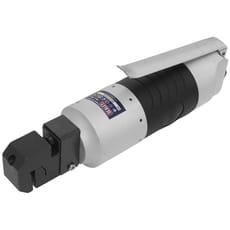
Air punches are specialist pneumatic tools designed to create clean, precise holes in sheet metal, steel panels, and other metalwork without the distortion, burrs, or swarf associated with traditional drilling. Using a punch and die system powered by compressed air, these tools shear through material in a single swift action, making them indispensable for automotive bodywork, metal fabrication, and HVAC installation. The technology delivers consistent punching force with minimal operator effort, significantly increasing productivity when creating multiple holes in vehicle panels, ventilation ductwork, or electrical enclosures.
Unlike drilling which removes material through rotation and can work-harden the surrounding metal, air punches operate by forcing a hardened steel punch through the workpiece into a corresponding die. This shearing action maintains the structural integrity of the material around the hole whilst producing a perfectly round aperture that requires no deburring. Tooled-Up.com stocks professional-grade air punch systems from Sealey, including complete kits with interchangeable punches and dies that allow tradespeople to tackle various hole diameters—typically from 5mm to 12mm—with a single versatile tool.
Modern air punch tools feature robust aluminium alloy bodies with replaceable steel cutting components, ensuring longevity in demanding workshop environments. The Sealey SA36, for instance, is specifically engineered for heavy bodyshop use, capable of creating 10mm flanges for lap jointing in addition to punching clean holes in automotive panel thickness material. With typical throat depths of 50-100mm, these tools provide access well beyond panel edges, making them equally suitable for automotive restoration, agricultural equipment repair, and general metal fabrication work where precision and speed are paramount.
Jargon Buster
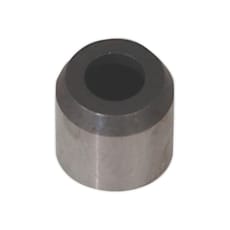
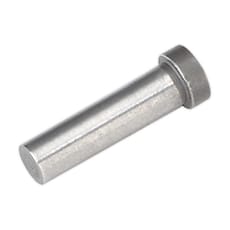
- Punch and Die System: A matched pair of hardened steel components where the punch (cutting element) is driven through the workpiece into the die (supporting element), shearing a clean hole without creating swarf or material distortion around the aperture.
- Throat Depth: The distance from the tool's cutting edge to the rear of the frame, determining how far from a panel edge you can position a hole—critical when working on large sheets or creating central apertures in vehicle bodywork.
- Tonnage: The measurement of punching force the tool can exert, typically expressed in tonnes. Higher tonnage capacity allows punching through thicker gauge materials or harder metals such as stainless steel.
- CFM (Cubic Feet per Minute): The air consumption rate of the pneumatic tool, indicating the minimum compressor capacity required for consistent operation. Most air punches require 4-6 CFM at 90 PSI for optimal performance.
- Flange Tool: An alternative term for certain air punch configurations, reflecting their capability to create flanged edges for lap joints in sheet metal fabrication and automotive panel repair work.
- Working Pressure: The recommended air pressure at which the tool operates most efficiently, typically around 90 PSI (6.2 BAR) for professional air punch systems, ensuring consistent punching force without excessive air consumption.
Who Uses Air Punches?
Air punches are essential tools for metalworking professionals and tradespeople across numerous sectors, including:
- Auto Body Repair Specialists – removing spot welds and creating precise holes in vehicle panels, chassis components, and structural bodywork
- Automotive Restoration Technicians – working on classic car restoration where maintaining original panel integrity is critical
- Sheet Metal Fabricators – cutting accurate holes in mild steel, aluminium, and stainless steel fabrications for various industrial applications
- HVAC Engineers – creating fixing points and penetrations in metal ventilation ductwork and air conditioning installations
- Electrical Contractors – preparing metal enclosures, distribution boards, and switchgear for cable entries and mounting hardware
- Agricultural Engineers – repairing and fabricating farm machinery, equipment housings, and implement components
- Metal Roofers and Cladding Installers – creating fixing holes in roofing sheets and architectural metalwork
- General Fabrication Workshops – producing custom metalwork including gates, railings, structural steelwork, and bespoke fabrications
How to Choose the Right Air Punches
Material Thickness Capacity: Verify the maximum gauge of metal the tool can punch through. Professional air punches typically handle mild steel up to 5mm thickness, but if you regularly work with heavier gauge material or stainless steel, ensure the tool has adequate tonnage for consistent performance.
Hole Size Range: Consider the diameter holes you'll create most frequently. Air punch systems with interchangeable dies provide excellent versatility, allowing you to tackle jobs requiring anything from 5mm apertures for electrical fixings to 12mm holes for mechanical fastenings with a single tool investment.
Throat Depth: This specification determines how far from a panel edge you can work. Deeper throat designs allow access to the centre of larger sheets—essential for vehicle floor pans, bulkheads, and large fabrication work. Standard throat depths range from 50mm to 100mm depending on the model.
Air Compressor Compatibility: Ensure your existing compressor meets the tool's CFM requirements and can maintain the necessary working pressure. Most air punches require a compressor delivering 4-6 CFM at 90 PSI, with a minimum 50-litre tank capacity for continuous operation without excessive compressor cycling.
Build Quality and Serviceability: Professional-grade tools available from Tooled-Up feature hardened, replaceable punches and dies that can be resharpened or replaced when worn, significantly extending tool life and reducing long-term running costs compared to disposable alternatives.
Ergonomics and Weight: Consider the tool's balance and handle design, particularly if you'll be using it for extended periods or in awkward positions during vehicle bodywork or overhead installation work. Aluminium alloy bodies provide strength without excessive weight.
Popular Accessories
To maximise the functionality and longevity of your air punch system, consider these essential accessories and consumables:
- Replacement Punch and Die Sets – maintain spare cutting elements in various sizes for different hole diameters and to ensure productivity when resharpening becomes necessary
- Air Line Filters and Regulators – protect pneumatic tools from moisture contamination and particulates whilst maintaining consistent operating pressure for optimal performance
- Pneumatic Tool Oil – regular lubrication is essential for maintaining performance, preventing premature wear, and protecting internal components from corrosion
- Quality Air Hose with Quick Couplers – proper diameter hoses (typically 8mm internal) ensure adequate air flow without pressure drops that reduce punching force
- Punching Lubricant – specialised cutting fluid extends die life, improves cut quality, and is particularly beneficial when working with stainless steel or thicker gauge materials
- Centre Punches and Marking Tools – for accurately positioning holes before punching, ensuring precise placement in fabrication work
- Safety Glasses and Heavy-Duty Gloves – essential PPE when operating pneumatic metalworking equipment in compliance with HSE guidelines
Safety Information
Personal Protective Equipment: Always wear impact-resistant safety glasses or a full face shield to protect against metal fragments and debris ejected during the punching process. Heavy-duty gloves protect hands from sharp panel edges and pinch points, whilst ear defenders are recommended as pneumatic tools can generate noise levels exceeding 85dB.
Secure Workpieces Properly: Always clamp or securely hold material being punched. The substantial force generated—often several tonnes—can cause unsecured panels to shift suddenly, potentially causing injury or damaging the workpiece. Use appropriate metalworking clamps or secure the panel in a vice.
Tool Inspection: Check punches and dies for wear, cracks, or damage before each use. Worn or damaged cutting elements can shatter under pressure, creating dangerous projectiles. Replace damaged components immediately and never exceed the tool's rated thickness or hardness capacity.
Air System Safety: Ensure air pressure doesn't exceed the tool's maximum rating, typically 90-100 PSI. Install proper filtration to prevent moisture and contaminants entering the tool, which can cause internal corrosion and sudden failure. Always disconnect the air supply before changing dies, performing maintenance, or leaving the tool unattended.
HSE Compliance: Follow Health and Safety Executive recommendations for pneumatic tool use, including proper operator training, workplace risk assessment, and noise level monitoring where applicable. Ensure adequate workshop ventilation when working with cutting lubricants.
Frequently Asked Questions
What's the advantage of an air punch over drilling holes in metalwork?
Air punches create cleaner holes without distorting the surrounding material or producing swarf and burrs that require time-consuming deburring. They're significantly faster for repetitive hole-punching tasks and don't work-harden the material around the aperture like drilling can. This makes them ideal for automotive bodywork and precision fabrication where maintaining panel integrity and flatness is crucial for proper fit and corrosion resistance.
Can air punches work with stainless steel and aluminium?
Yes, quality air punch systems can handle both stainless steel and aluminium, though stainless is more demanding due to its hardness and work-hardening properties. Ensure your tool has adequate tonnage for the material thickness, use proper cutting lubricant, and work within the manufacturer's specifications. Aluminium is generally easier to punch than mild steel, whilst stainless steel may require more frequent punch and die maintenance or resharpening.
How do I know when to replace or resharpen punches and dies?
Replace or resharpen cutting components when you notice increased burring around holes, inconsistent hole sizes, requiring more air pressure than usual to complete the punch, or visible rounding of cutting edges. Regular inspection for chips, cracks, or wear helps prevent tool failure during operation. Professional fabricators often maintain spare sets to minimise downtime in busy workshops.
What size air compressor do I need for an air punch?
Most air punches require a compressor capable of delivering 4-6 CFM at 90 PSI (6.2 BAR). A tank capacity of at least 50 litres is recommended for continuous operation without constant compressor cycling. Check your specific tool's requirements, as undersized compressors will struggle to maintain consistent pressure, affecting punching force, cut quality, and potentially reducing tool longevity through inconsistent operation.
Can I use an air punch for spot weld removal on vehicles?
Absolutely—air punches are excellent for removing spot welds during automotive repair and restoration work. They cut through the weld nugget without damaging the surrounding panel, unlike drilling which can enlarge the hole or wander off-centre, or grinding which creates heat distortion. This makes panel separation much cleaner and easier for professional body repair work, particularly when preserving one panel for reuse.