

Angle Drills

Pay in 3 interest-free payments on purchases from £20-£3000 with  . Learn more.
 Loading...
End of content
Error - No more pages to load
About Angle Drills
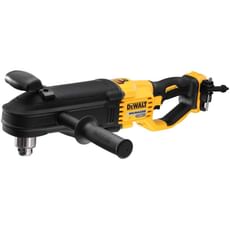
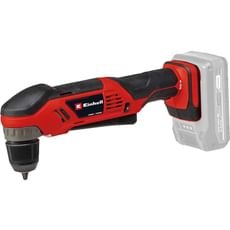
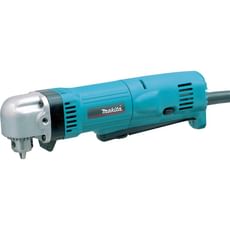
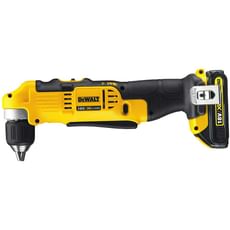
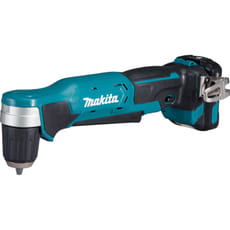
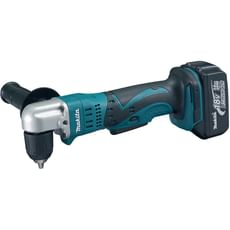
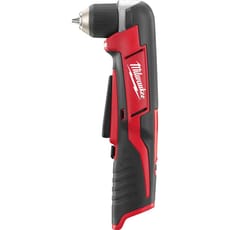
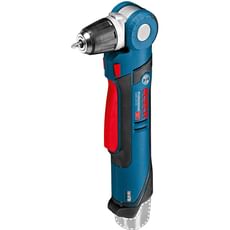
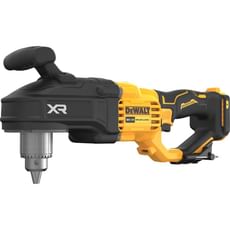
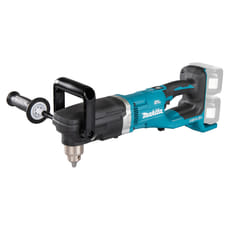
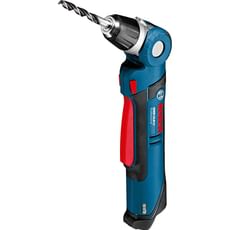
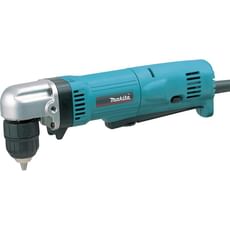
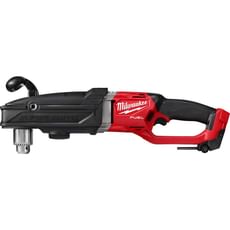
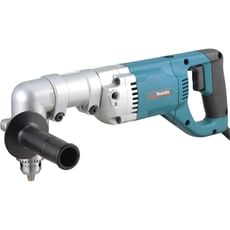
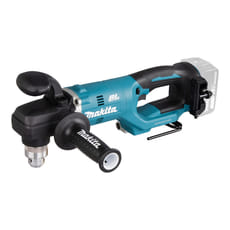
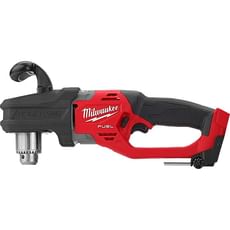
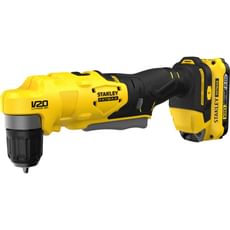
Angle drills are specialised power tools engineered with a distinctive right-angle head configuration that positions the chuck perpendicular to the motor body, enabling access to confined spaces where conventional drills simply cannot operate. This offset design makes them indispensable for drilling between joists, within stud walls, beneath floor voids, and in other restricted locations routinely encountered during construction, renovation, and maintenance work. The compact head profile allows tradespeople to drill precisely where needed without removing structural elements or resorting to time-consuming workarounds.
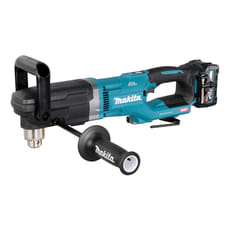
Available in both corded 240v and cordless configurations, modern angle drills span multiple voltage platforms to suit diverse applications. Compact 12v models excel in extremely tight spaces and lighter-duty tasks, whilst versatile 18v units deliver the power-to-size ratio favoured by most professional tradespeople. For demanding applications involving large-diameter auger bits or dense hardwoods, heavy-duty 40v and 54v systems from Makita's XGT and DeWalt's Flexvolt ranges provide exceptional torque whilst maintaining the manoeuvrability that defines this tool category. Brushless motor technology, intelligent battery management systems, and ergonomic design features have transformed angle drills from niche tools into essential equipment for anyone regularly working in confined spaces.
Whether drilling pilot holes for electrical installations, boring through structural timber for plumbing runs, or tackling automotive and mechanical applications, the selection at Tooled-Up.com includes angle drills from leading manufacturers including Makita, Bosch Professional, DeWalt, and Milwaukee. Contemporary models incorporate practical features such as LED work lights, variable speed triggers, adjustable head positions, and quick-change keyless chucks that enhance productivity across carpentry, electrical, plumbing, and general building applications.
Jargon Buster
- Right-Angle Configuration
- The characteristic design where the chuck sits at 90 degrees to the motor housing, allowing the drill to fit into narrow gaps between joists, studs, and other structural elements. This differs from standard drills where the chuck aligns with the motor axis.
- Brushless Motor
- Advanced motor technology eliminating carbon brushes for more efficient power delivery, extended runtime per battery charge, reduced maintenance requirements, and longer overall tool lifespan compared to traditional brushed motors.
- Head Height
- The critical dimension measuring the distance from the centre of the chuck to the furthest point of the drill body. Ultra-compact stud and joist models feature head heights around 80mm or less to fit comfortably within standard UK floor joist spacing of 89mm (3.5 inches).
- Chuck Capacity
- The maximum drill bit shank diameter the chuck can accommodate, typically 10mm or 13mm on angle drills. Keyless chucks allow tool-free bit changes, whilst keyed chucks provide maximum grip security for heavy-duty applications.
- XGT/Flexvolt Technology
- Advanced battery platform systems from Makita (40v XGT) and DeWalt (54v Flexvolt) that deliver higher voltage output for increased power whilst maintaining backward compatibility with standard 18v tool ranges through intelligent voltage-switching circuitry.
- Torque Settings
- Adjustable clutch mechanisms controlling the rotational force applied during drilling, preventing damage to materials, stripped fasteners, and tool components. Multiple torque positions allow precise matching to different applications and material densities.
Who Uses Angle Drills?
Angle drills are essential equipment across numerous trades and applications:
- Electricians and Sparkies: Drilling through joists and studs for cable runs, installing back boxes in confined wall cavities, working in ceiling voids, and routing conduit through structural members where space is severely restricted.
- Plumbers and Heating Engineers: Boring holes through floor joists for pipe work, installing underfloor heating systems, creating penetrations for radiator pipes, and accessing tight spaces during bathroom and kitchen installations.
- Carpenters and Chippies: Precision drilling in furniture assembly, timber frame construction, creating dowel joints in confined areas, and drilling pilot holes during joinery work where standard drills lack adequate clearance.
- HVAC Installers: Creating penetrations for ductwork and refrigerant lines through structural members, working within restricted ceiling and wall cavities during air conditioning installations.
- General Builders and Contractors: Site work requiring drilling in restrictive spaces, renovation projects involving existing structures, and general construction applications where access is limited by surrounding elements.
- Automotive and Mechanical Engineers: Working in engine bays, chassis assemblies, and tight mechanical spaces where conventional tools cannot achieve proper positioning or alignment.
- Maintenance Teams: Facilities management, building maintenance, repair work in established structures, and retrofit installations in occupied buildings with limited access points.
- DIY Enthusiasts: Home renovation projects, loft conversions, kitchen and bathroom installations, and any domestic applications requiring drilling between joists or within confined wall cavities.
How to Choose the Right Angle Drills
Voltage Platform and Power Requirements: Select your voltage based on typical applications and space constraints. Compact 12v models like the Bosch GWB series offer exceptional manoeuvrability for extremely tight spaces and lighter materials, whilst 18v options from Makita's LXT range, DeWalt's XR series, and Milwaukee provide the versatile middle ground suitable for most professional trade work. For demanding applications involving large-diameter bits or dense hardwoods, consider 40v-54v platforms such as Makita's XGT or DeWalt's Flexvolt systems that deliver superior torque output.
Motor Technology: Brushless motors represent the professional choice, delivering approximately 50% longer runtime per charge, increased power-to-weight ratios, reduced heat generation, and elimination of brush replacement maintenance. Whilst brushless models command a premium price, the performance benefits and extended tool longevity justify the investment for tradespeople depending on their equipment daily. DIY users with occasional requirements may find brushed alternatives adequate for their needs.
Head Size and Joist Clearance: Measure the typical working environments you'll encounter. Standard UK floor joists sit at 89mm (3.5 inch) centres, so dedicated stud and joist models with head heights around 80mm or less provide comfortable clearance. Electricians working within studwork may prioritise the most compact head profiles available, whilst plumbers boring larger holes might accept slightly larger heads for the increased power capacity.
Chuck Capacity and Configuration: Consider the maximum drill bit diameter you'll regularly use. Most angle drills feature 10mm or 13mm chuck capacities, with keyless systems offering convenient tool-free bit changes during intensive work. Some models from Tooled-Up include adjustable head positions at various angles (22.5°, 45°, 67.5°, 90°) providing additional versatility beyond the standard right-angle configuration.
Speed and Torque Specifications: Variable speed control and multiple torque settings provide greater versatility across different materials. Two-speed gearboxes allow switching between high-speed drilling in softwoods and plastics, and high-torque boring through dense hardwoods, metal, or masonry. Electronic speed control maintains consistent performance under load for cleaner holes and reduced bit wear.
Battery Compatibility and Ecosystem: If you already own cordless tools from a particular manufacturer, selecting an angle drill within the same battery platform provides significant cost savings and operational convenience. The major brands—Makita, DeWalt, Milwaukee, and Bosch Professional—all offer comprehensive cordless ecosystems with interchangeable battery systems, allowing you to share batteries and chargers across your entire tool collection.
Ergonomics and Build Quality: The tool's balance, grip design, and weight distribution significantly impact user comfort during extended use in awkward positions. Rubber overmould grips, well-positioned controls, and integrated LED work lights reduce operator fatigue and improve accuracy when working overhead or in poorly lit confined spaces. Metal gear housings provide superior durability on demanding construction sites compared to plastic equivalents.
Popular Accessories
- Drill Bit Sets: HSS bits for metal drilling, brad point and spade bits for timber, long-series bits for extended depth applications, and specialist auger bits for boring large-diameter holes through joists and structural members.
- Hole Saws: Bi-metal and carbide-tipped hole saws in various diameters for creating large penetrations for pipe work, electrical boxes, and ducting installations.
- Spare Batteries: Additional lithium-ion battery packs ensure continuous operation throughout the working day without downtime for recharging, essential for maintaining professional productivity on active job sites.
- Fast Chargers: Multi-voltage rapid charging systems significantly reduce charging time, particularly valuable for higher capacity 4.0Ah, 5.0Ah, and 6.0Ah battery packs.
- Tool Storage Systems: Manufacturer-specific storage solutions including Makita MakPac, DeWalt TSTAK, and Milwaukee PACKOUT keep angle drills, batteries, chargers, and accessories organised and protected during transport between job sites.
- Right-Angle Drill Attachments: Convert standard drills into angle configuration for occasional use, though dedicated angle drills provide superior performance, ergonomics, and compact head profiles for regular confined-space work.
- Extension Bits and Flexible Shafts: Extend reach into extremely deep or offset locations where even angle drills struggle to achieve proper positioning.
- Cable and Pipe Detectors: Essential safety equipment for locating hidden services before drilling through walls, floors, and ceilings to prevent potentially dangerous strikes.
Safety Information
Personal Protective Equipment: Always wear appropriate safety glasses or goggles to protect against flying debris, wood chips, and metal swarf. Hearing protection is advisable during extended use, particularly with higher-powered corded 240v models. Well-fitting work gloves provide improved grip and hand protection, though ensure they fit properly to prevent snagging hazards around rotating components.
Hidden Services Detection: Before drilling through any wall, floor, or ceiling structure, always check for hidden cables, pipes, and services using appropriate detection equipment to comply with HSE guidelines. Electric cables, gas pipes, and water supplies frequently run through joists and studwork at unpredictable locations, and striking these services can result in serious injury, property damage, or fatality.
Reactive Torque Awareness: Angle drills can generate significant reactive torque, particularly when larger diameter bits bind in materials or break through suddenly. Maintain firm two-handed control where possible, brace yourself appropriately, and be prepared for sudden rotational forces. Start drilling at slow speeds until the bit is properly engaged, then progressively increase to working speed.
Working at Height: When using angle drills in loft spaces, on ladders, or scaffolding, ensure proper access equipment meeting current work-at-height regulations. The awkward working positions required in confined spaces increase fatigue and reduce stability, so take regular breaks and maintain three points of contact when working from ladders.
Electrical Safety for Corded Models: Inspect power cables regularly for damage and ensure compliance with UK electrical standards including proper earthing and use of RCD (residual current device) protection, particularly on construction sites and outdoor applications. Never use damaged cables, and ensure 240v extension leads are appropriately rated for the tool's power consumption.
Battery Safety: Cordless tools should only be charged using the manufacturer's specified chargers. Never attempt to charge damaged batteries showing signs of swelling, leakage, or impact damage. Dispose of end-of-life batteries properly through appropriate recycling channels—most tool retailers and local authority recycling centres accept lithium-ion batteries for safe disposal.
Frequently Asked Questions
What's the difference between an angle drill and a standard drill with a right-angle attachment?
Dedicated angle drills are purpose-engineered with the motor and gearbox positioned for optimum balance and power delivery in the right-angle configuration, resulting in superior ergonomics, better torque transmission, and more compact head profiles. Right-angle attachments add considerable length, reduce available torque through additional gear trains, and compromise balance, making them less effective for professional applications requiring regular use in confined spaces. For occasional use, attachments suffice, but tradespeople working daily in restricted areas benefit significantly from dedicated angle drills.
Can angle drills be used for driving screws as well as drilling?
Yes, most modern angle drills feature adjustable torque settings and variable speed control making them suitable for both drilling and light-duty screw driving applications. However, for extensive fastening work, a dedicated impact driver provides superior performance, faster driving speeds, and better ergonomics. Angle drills excel at providing access rather than production fastening—their value lies in reaching confined locations where other tools cannot operate effectively.
What head height do I need for drilling between standard UK joists?
Standard UK floor joists typically measure 89mm (3.5 inches) in depth with similar spacing between centres. Look for angle drills specifically marketed as "stud and joist" models with head heights of approximately 80mm or less to comfortably fit within this spacing whilst allowing adequate clearance for bit changing and positioning. Manufacturers including DeWalt, Makita, and Bosch Professional offer ultra-compact models designed specifically for UK construction standards.
Are brushless angle drills worth the extra cost?
For professional tradespeople using angle drills regularly, brushless motors deliver significant advantages including approximately 50% longer runtime per charge, increased power output, reduced heat generation during intensive use, and elimination of brush replacement maintenance. The initial premium typically pays for itself through improved productivity, extended battery life, and longer tool longevity. DIY users with occasional requirements may find brushed models adequate and more economical for their needs, particularly if budget constraints are significant.
Which voltage platform provides the best balance for general trade work?
The 18v platform remains the optimal choice for most professional applications, offering excellent power-to-weight ratios, the widest selection of compatible tools within manufacturer ecosystems, and sufficient torque for drilling holes up to 25mm diameter in typical construction materials. Compact 12v models suit electricians and specialists requiring maximum manoeuvrability in extremely confined spaces, whilst 40v-54v systems benefit users regularly drilling large-diameter holes with auger bits, working with dense hardwoods, or tackling heavy-duty metalwork applications.